Evaluating Food Waste as Organic Fertilizer: Soil and Crop Impacts in Korea
(Mandarin Peel Eco-Fertilizer)
The Problem with Chemical Fertilizers
Modern agriculture heavily relies on chemical fertilizers to maximize crop yields. However, their excessive use leads to severe environmental consequences, including soil degradation, groundwater pollution, and the disruption of local ecosystems. To secure a sustainable food lifecycle, finding eco-friendly, organic alternatives is no longer optional—it is imperative.
Proven Sustainability for Soil Health
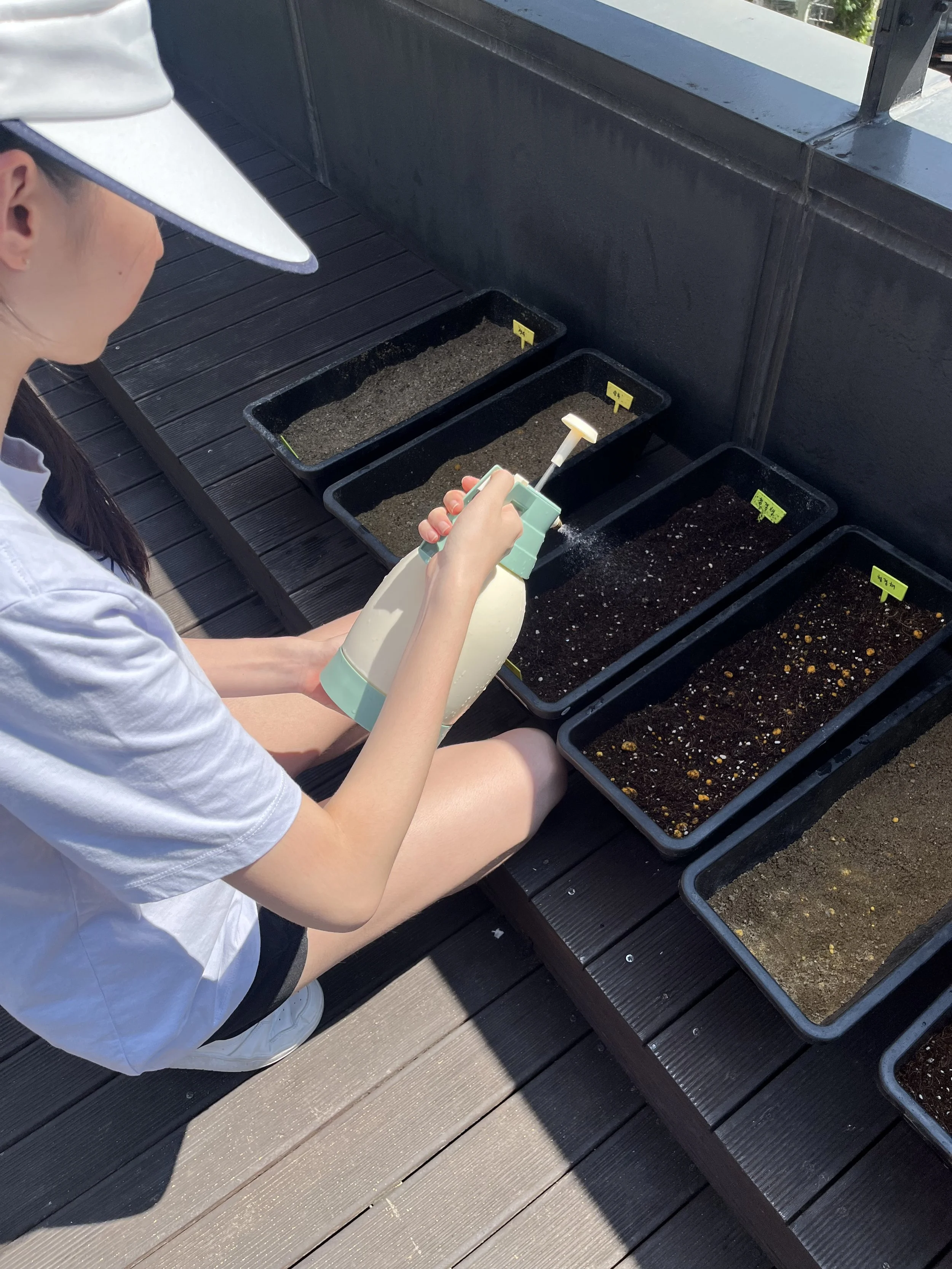
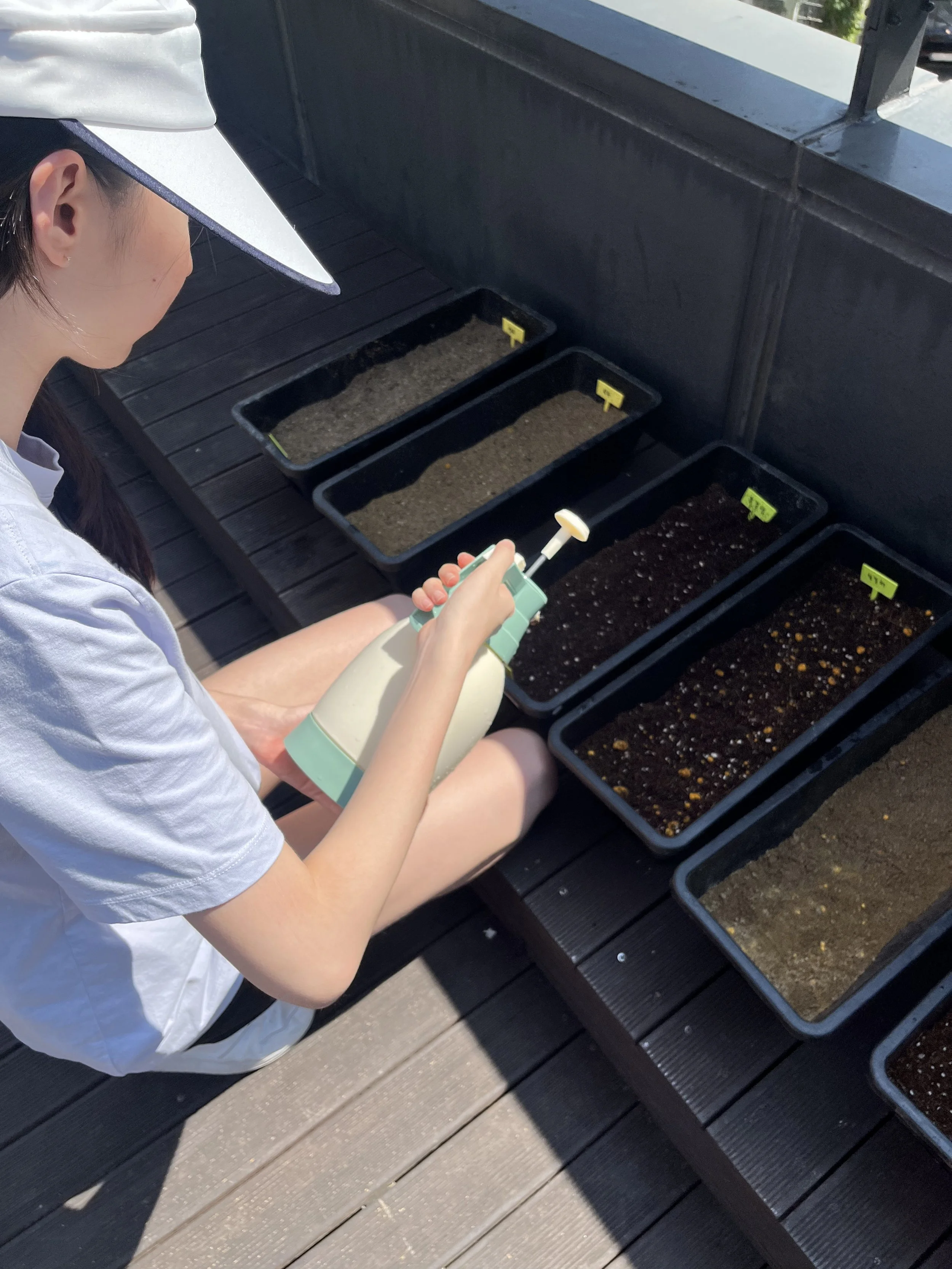
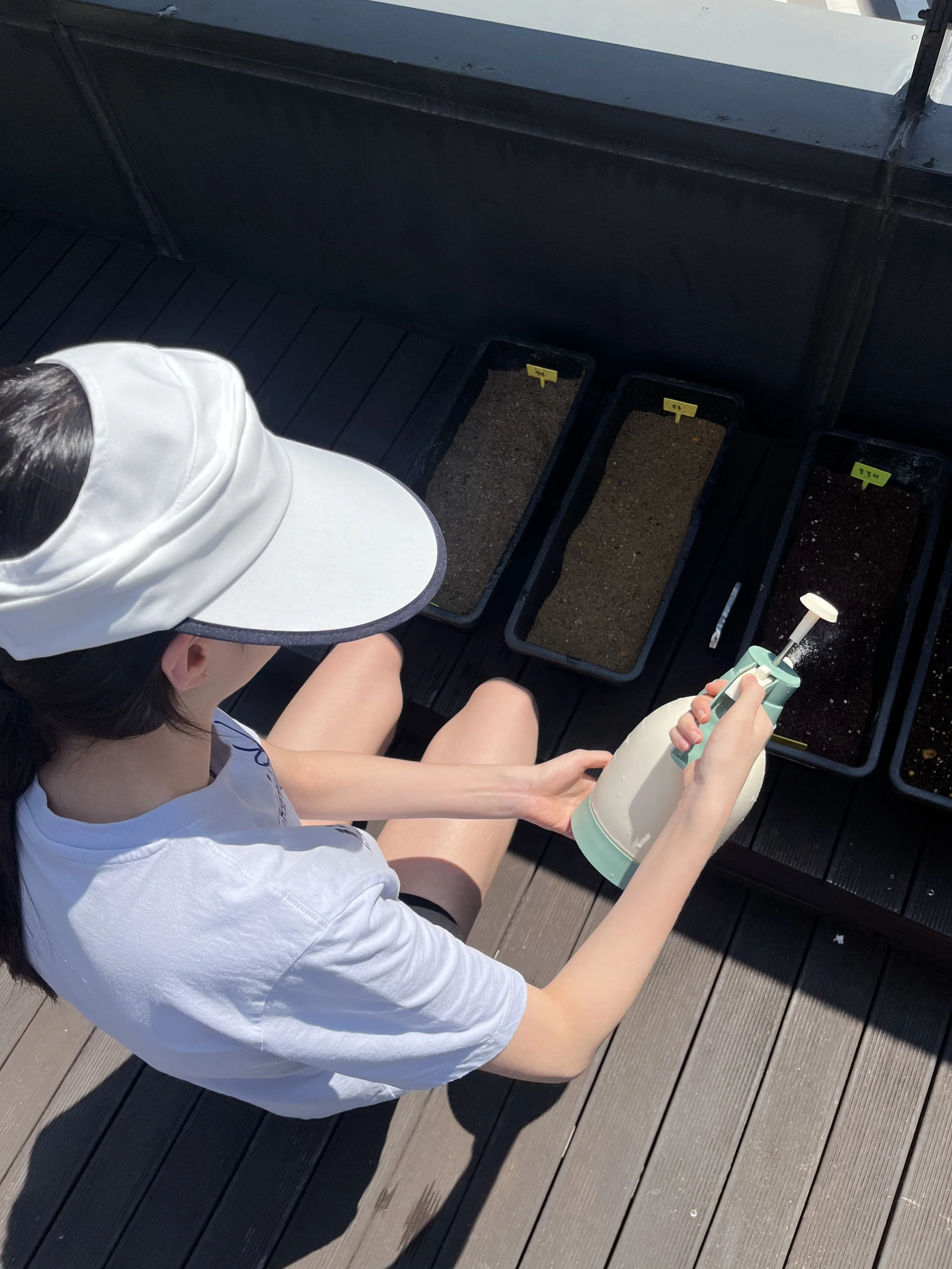
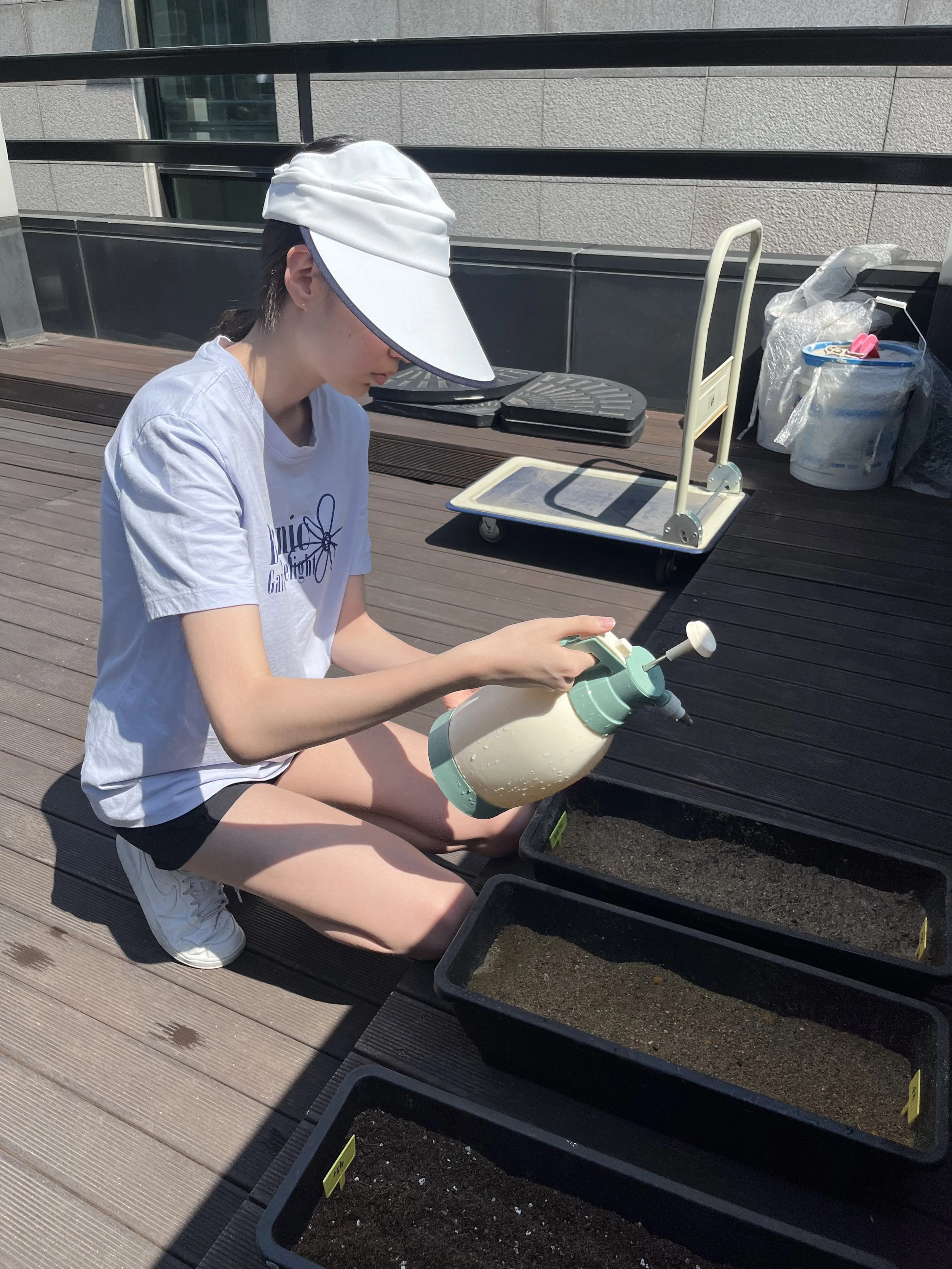
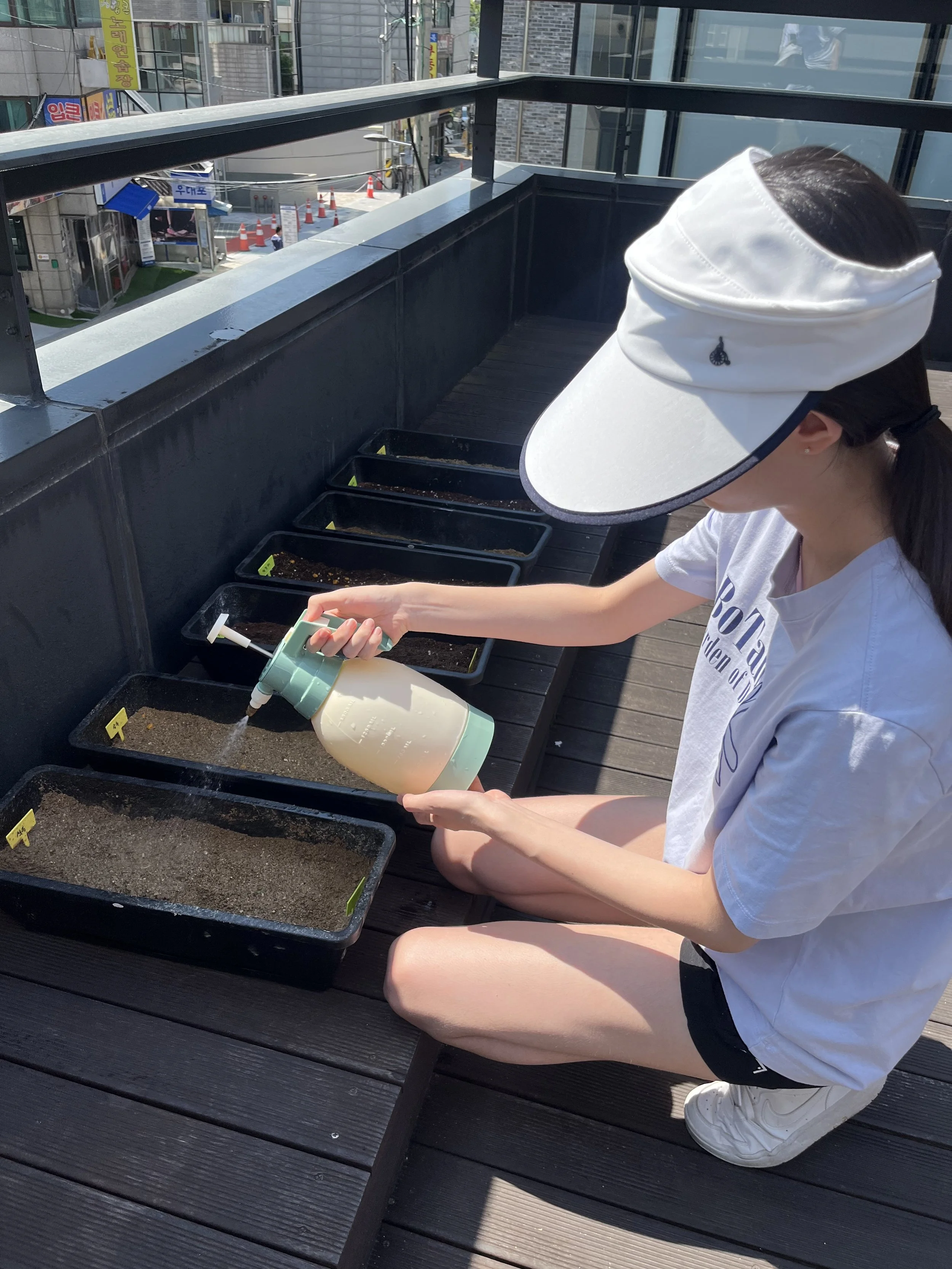
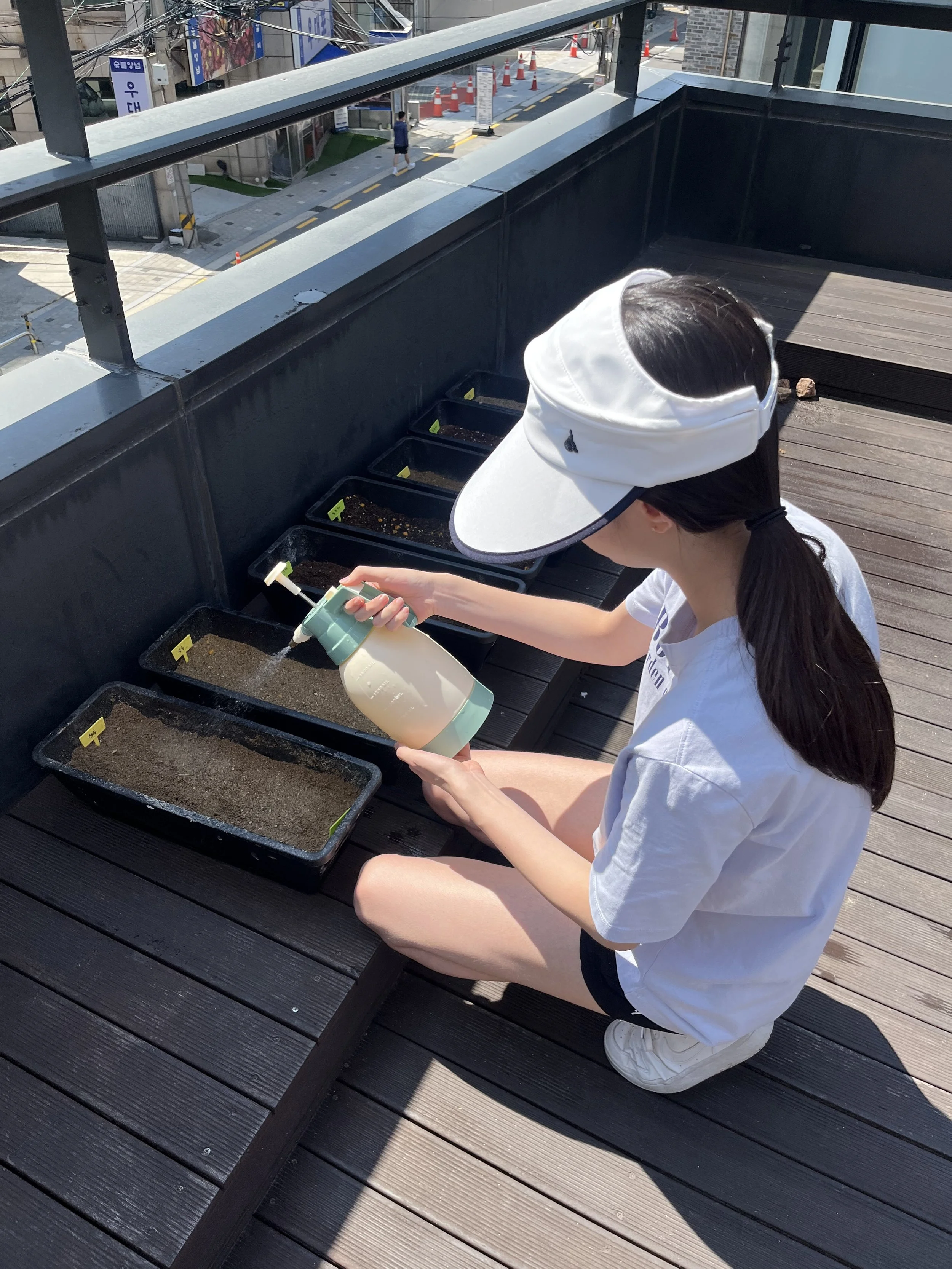
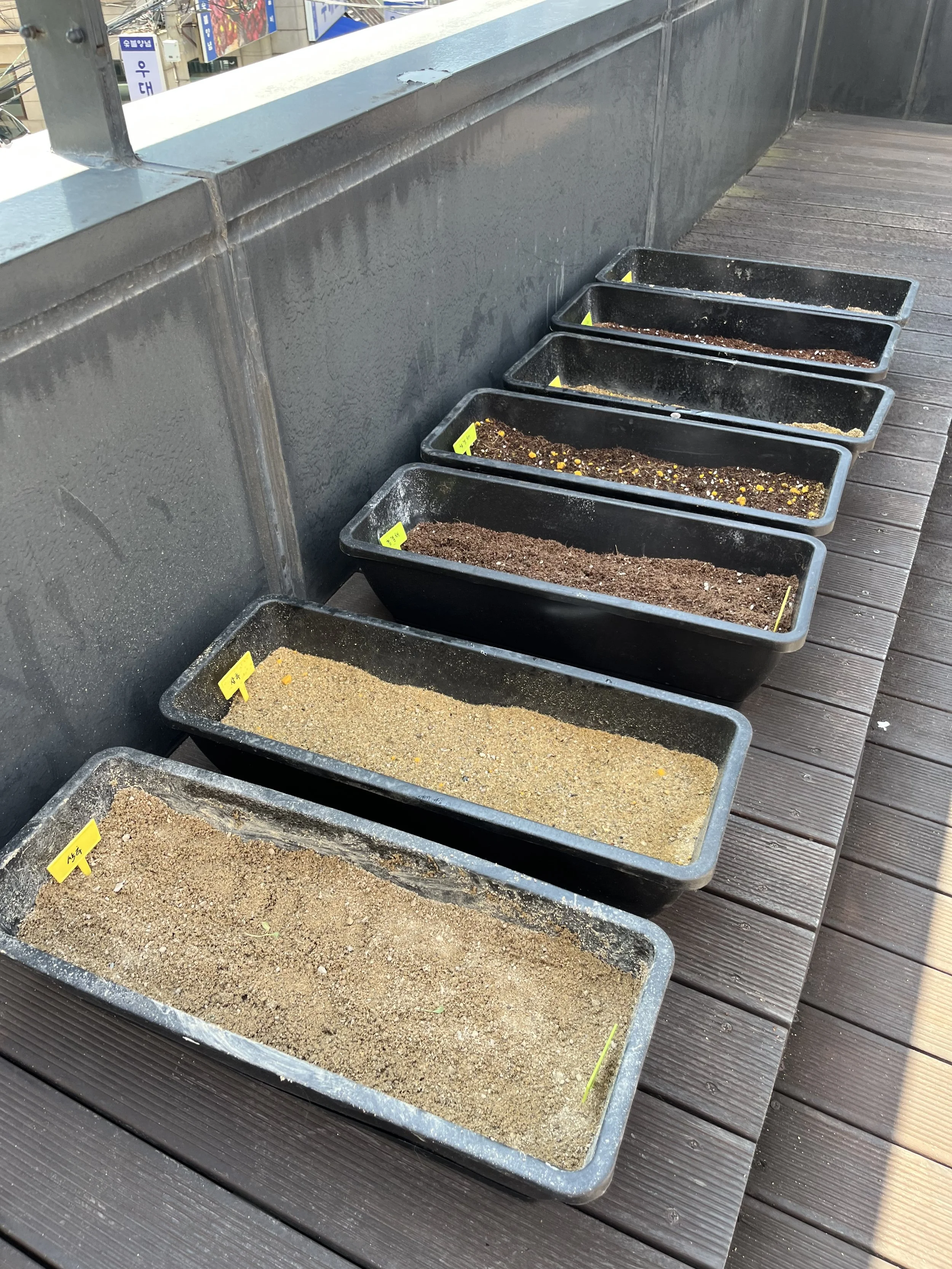
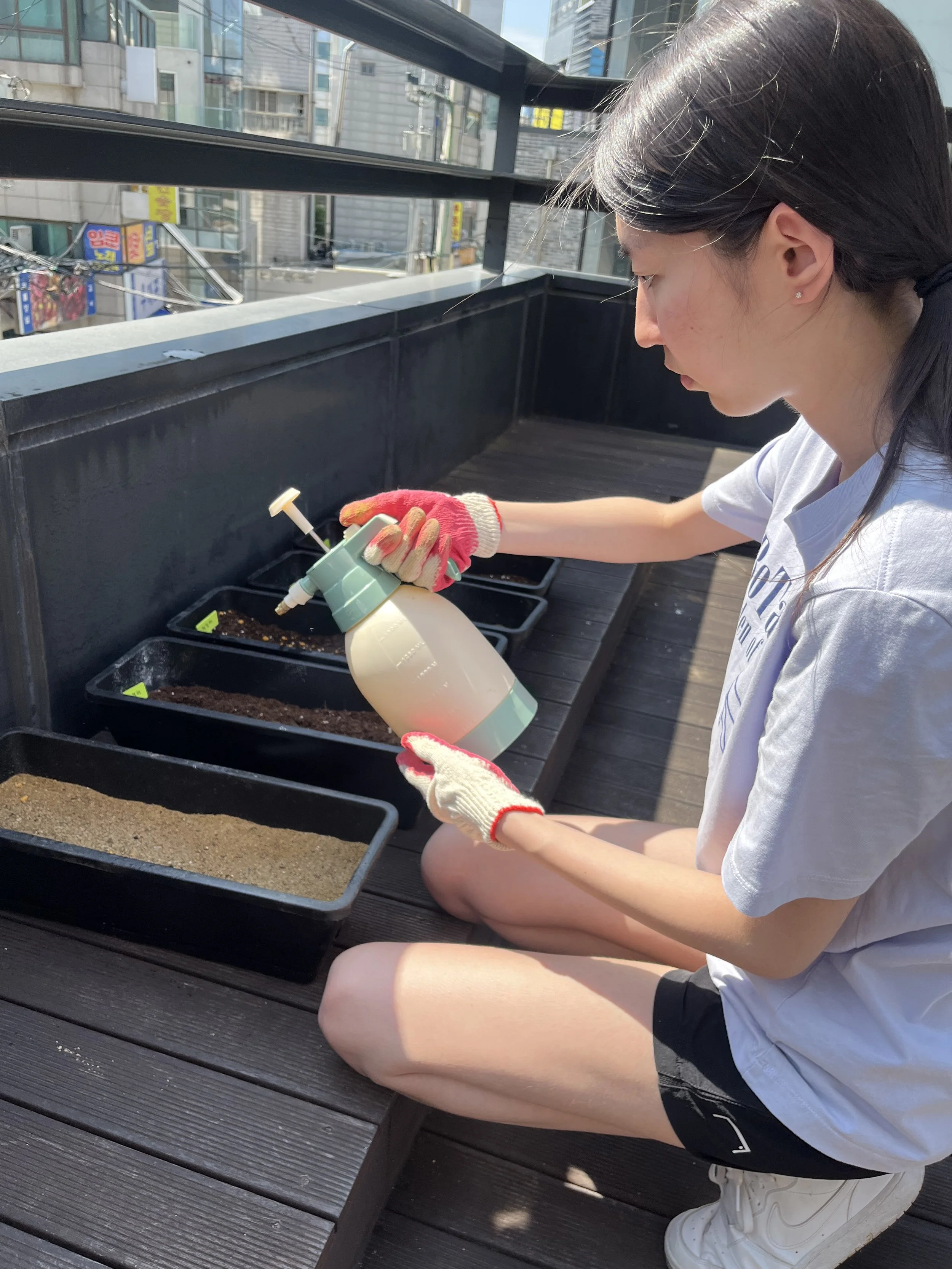
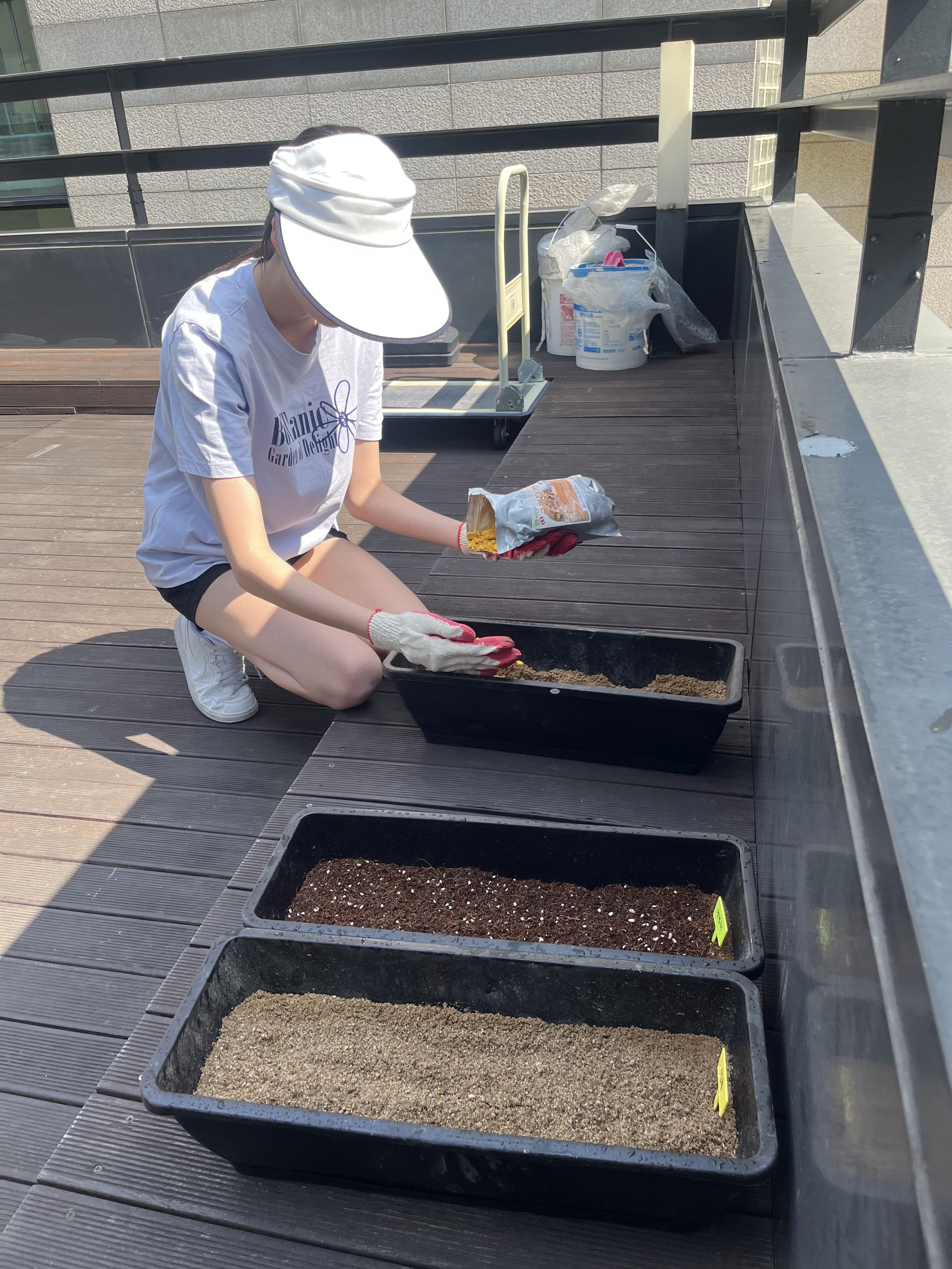
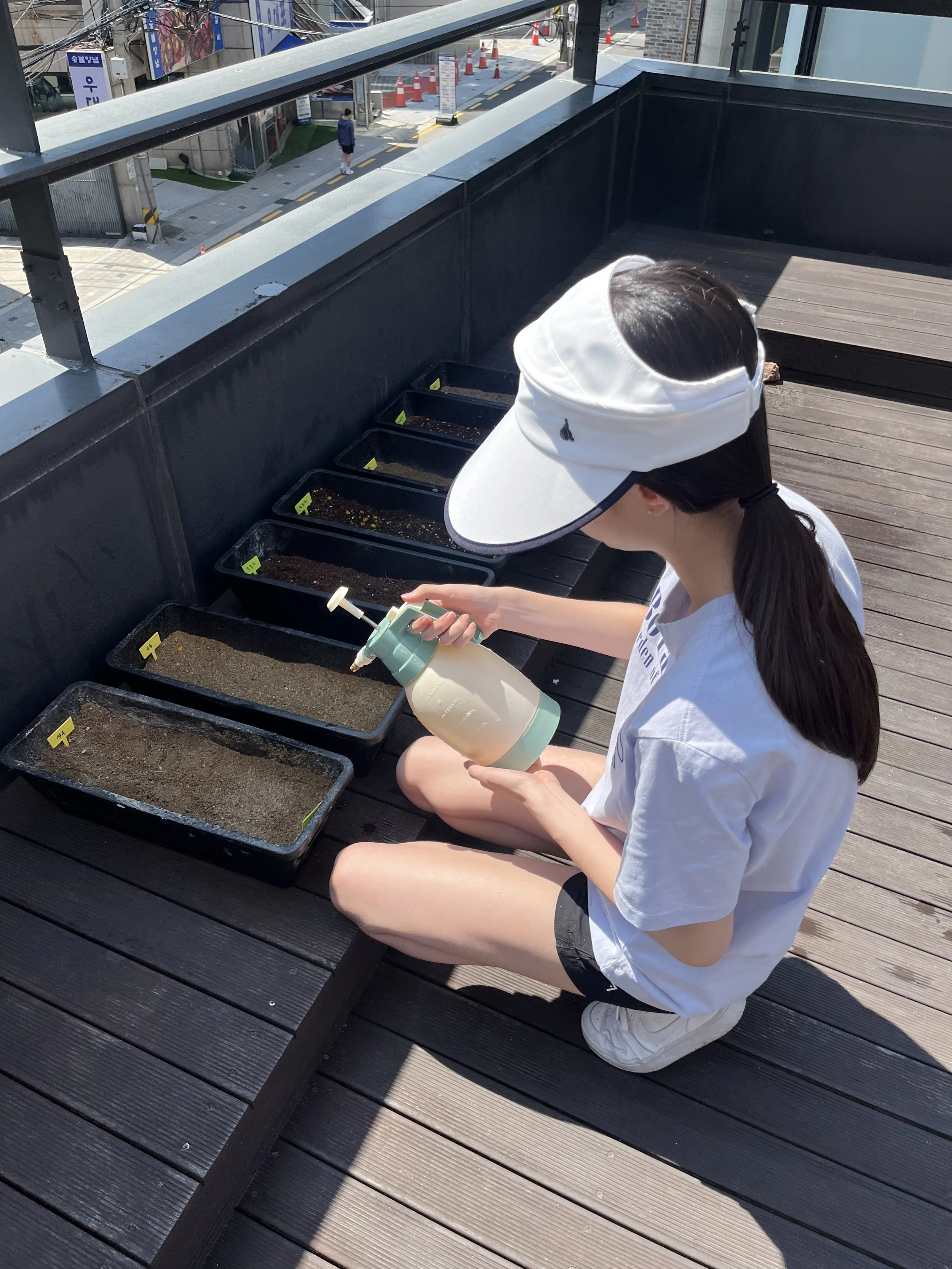
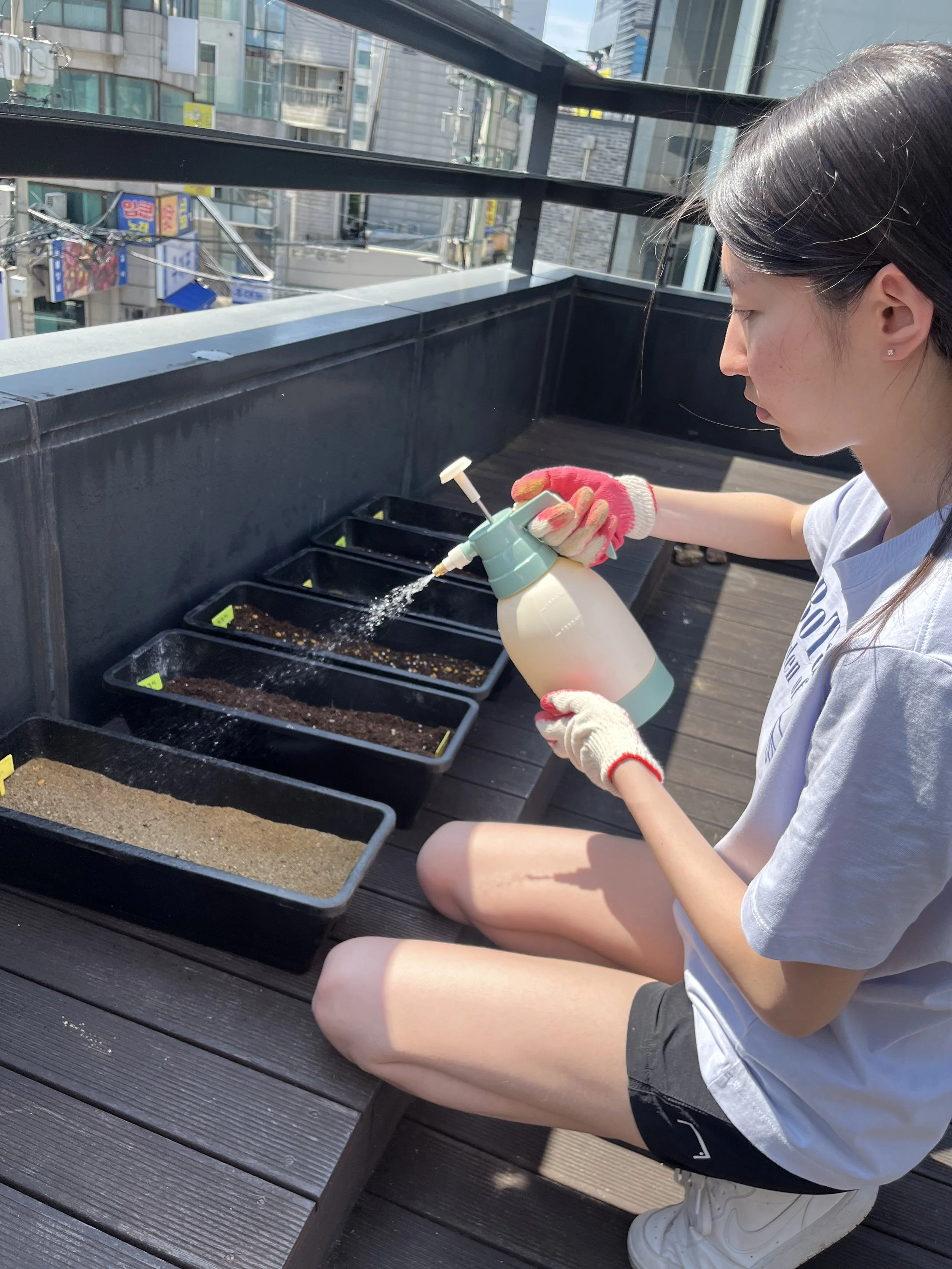
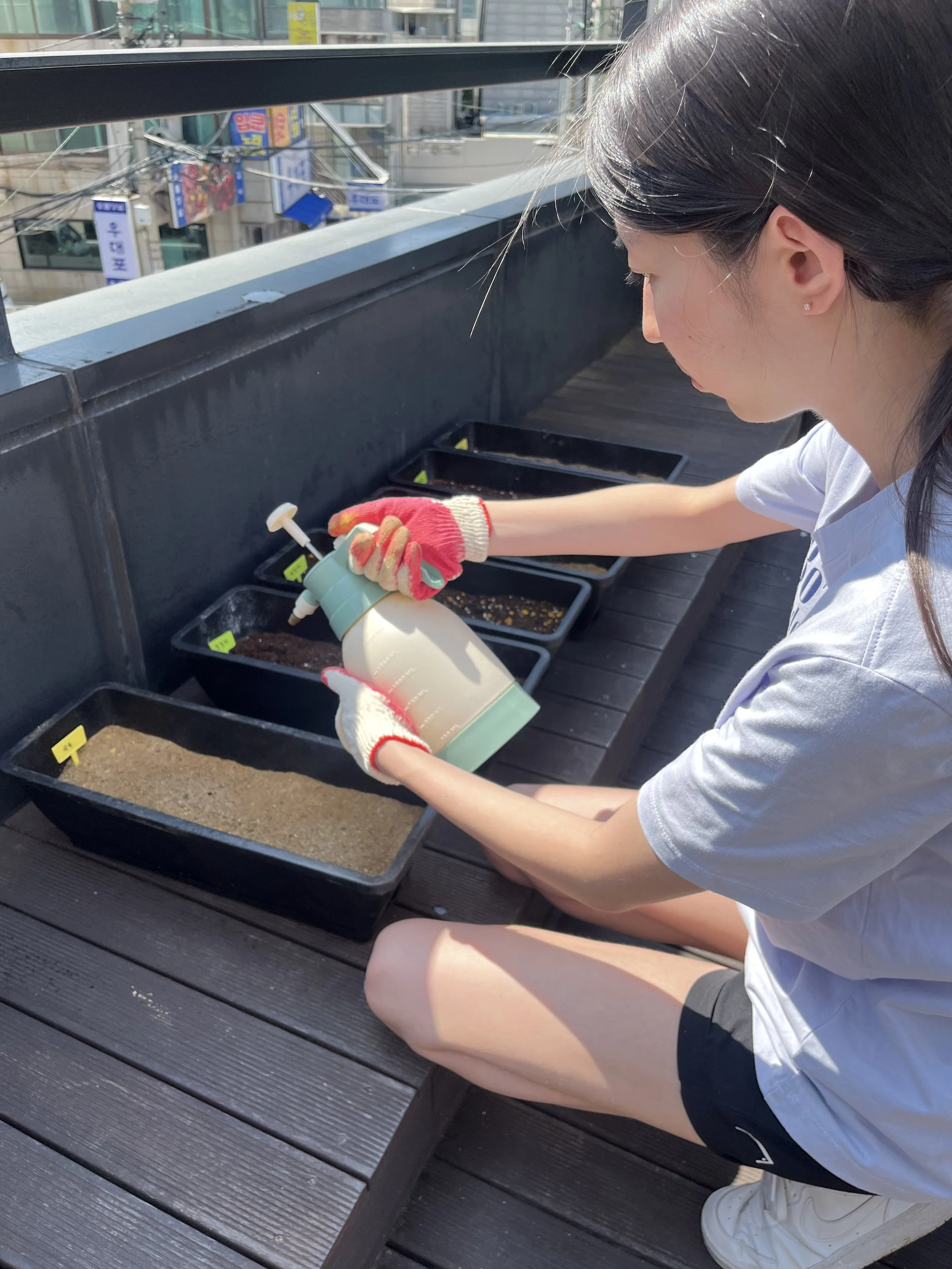
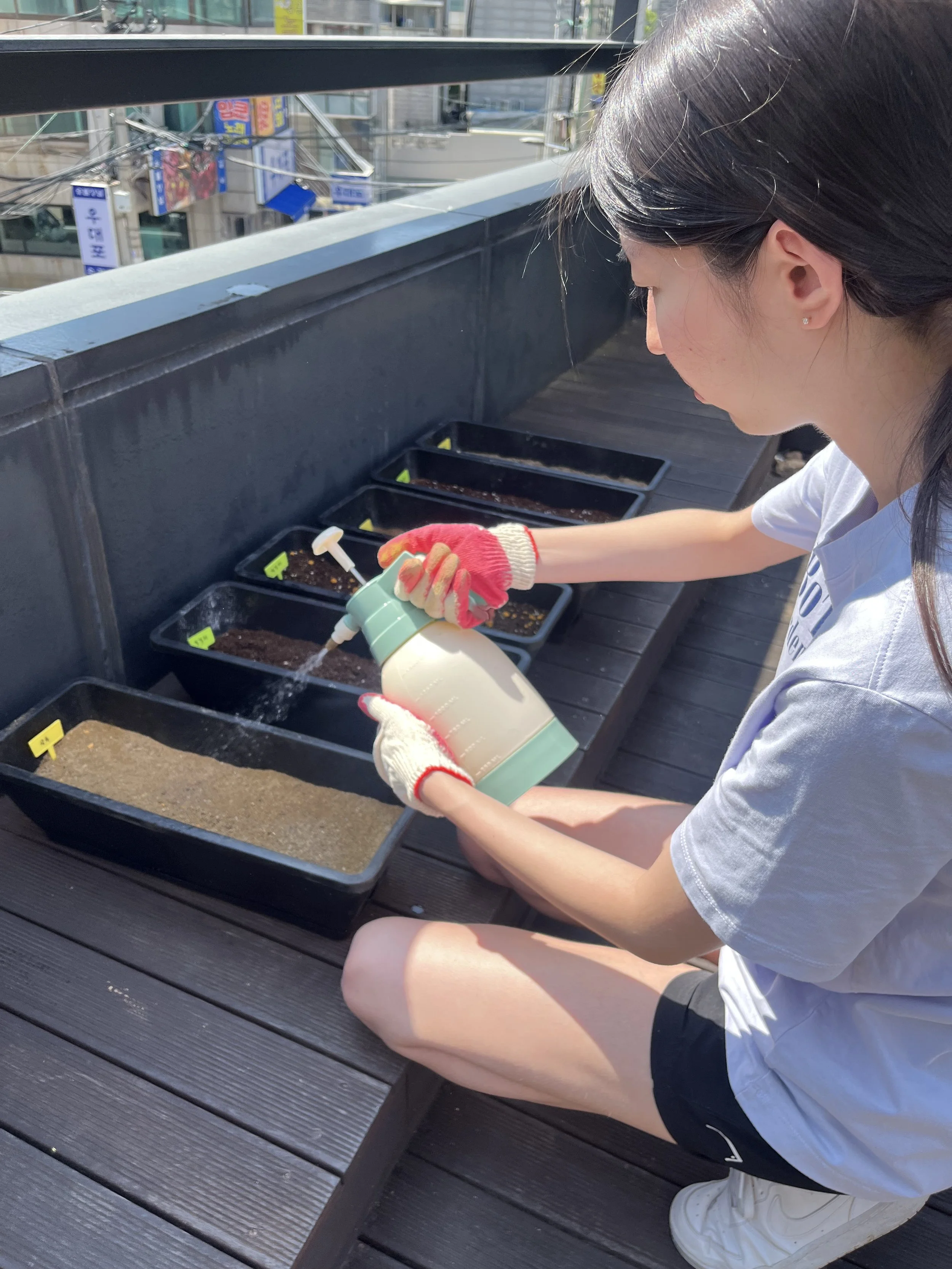
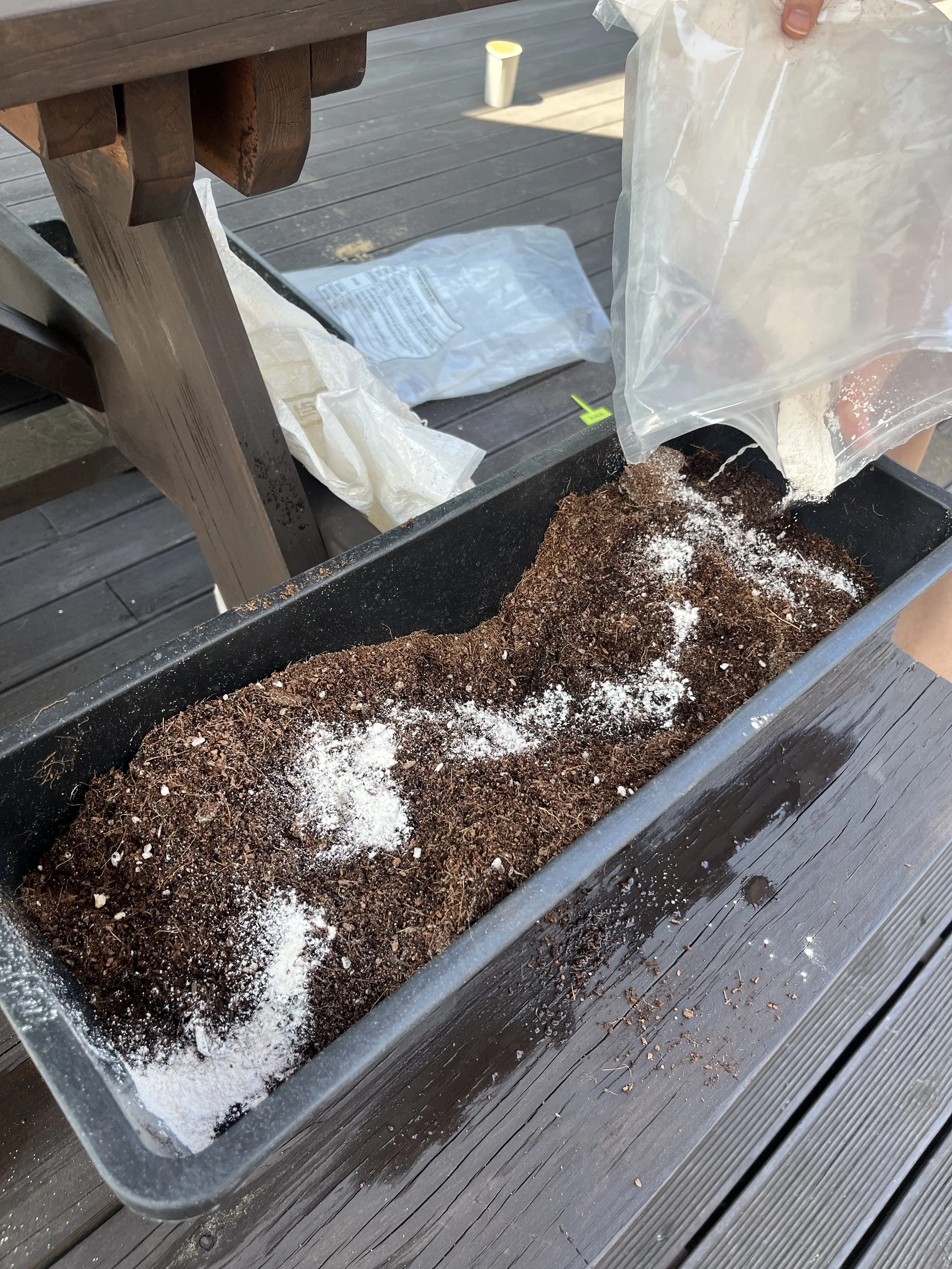
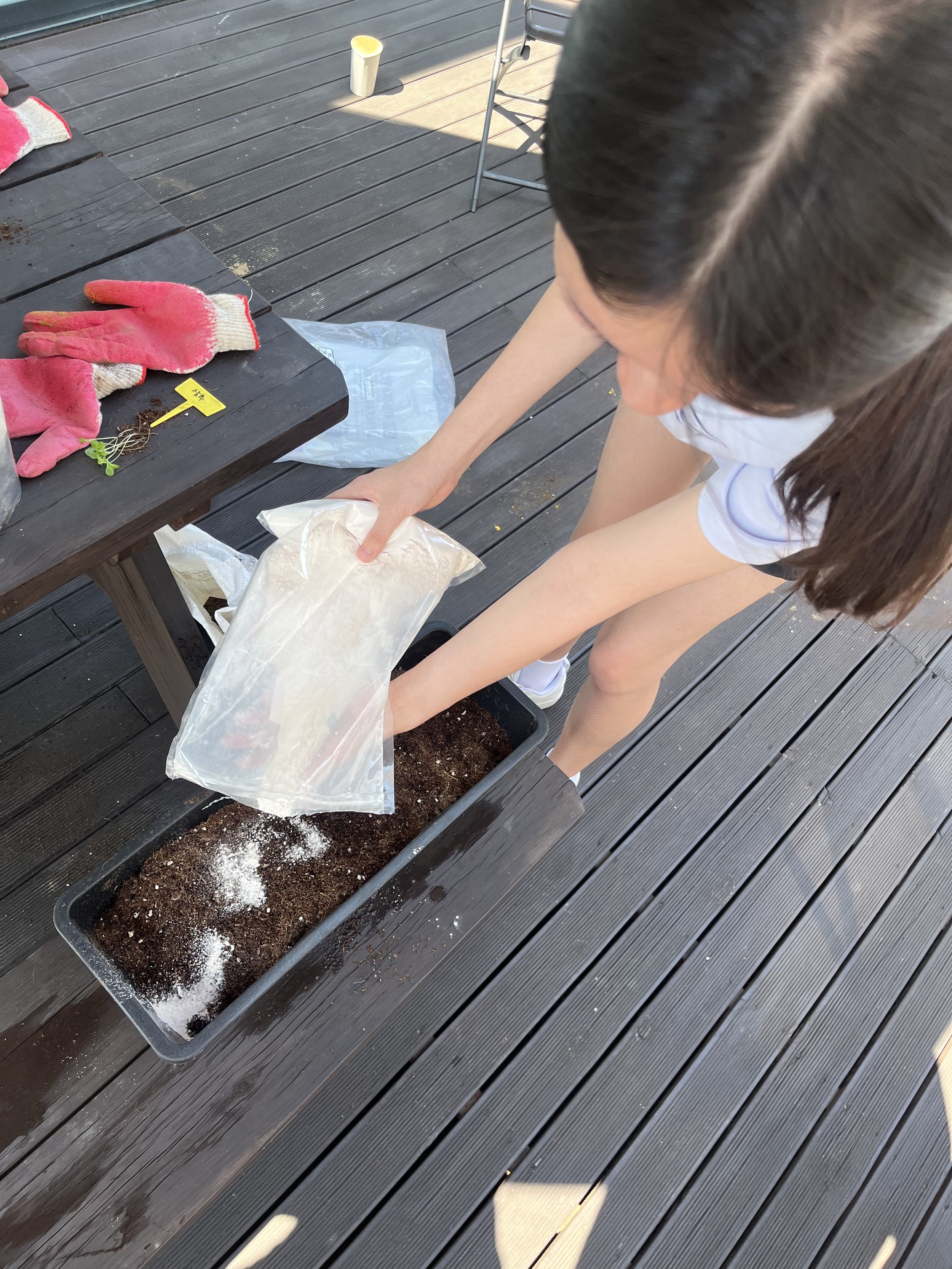
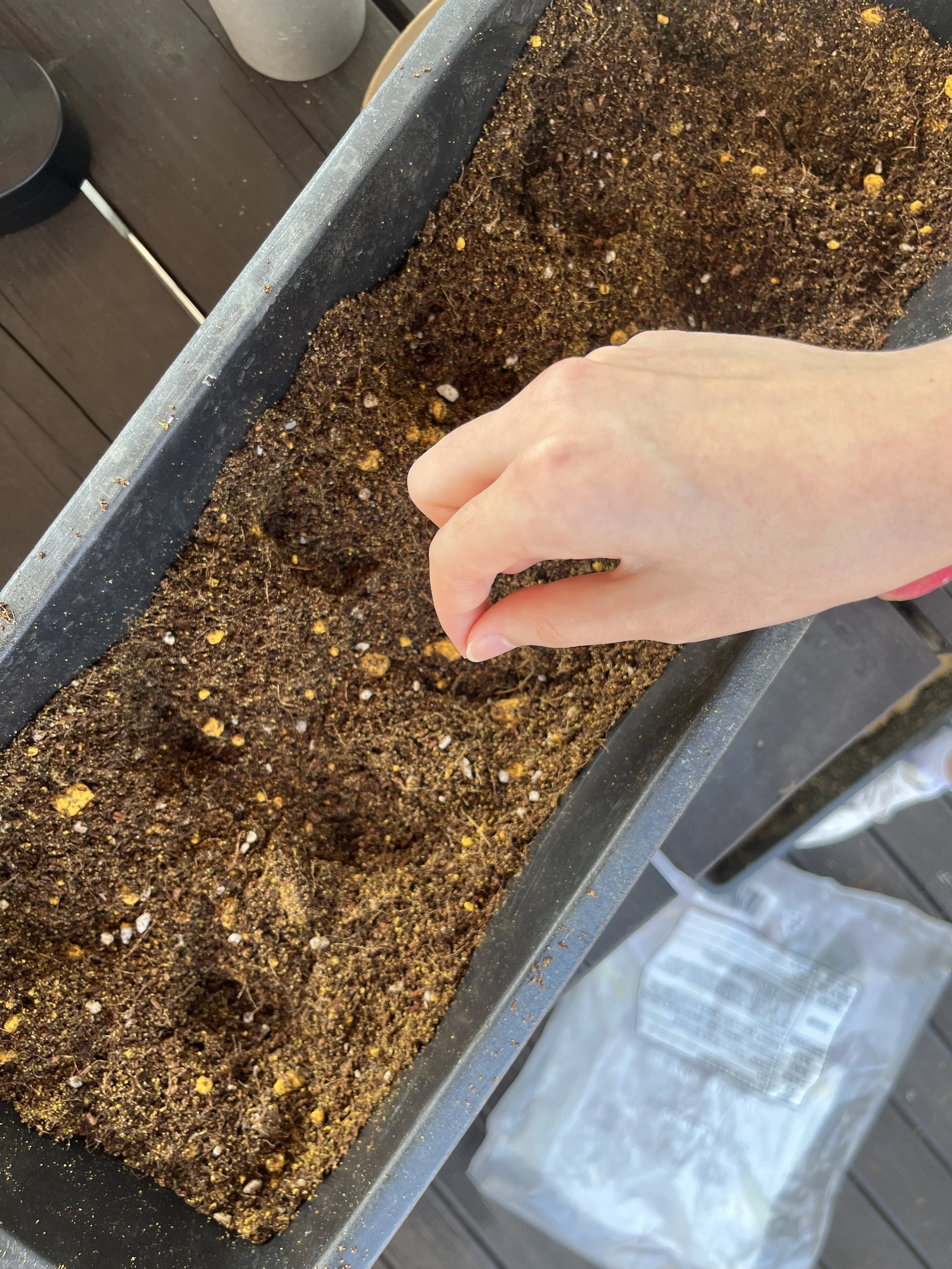
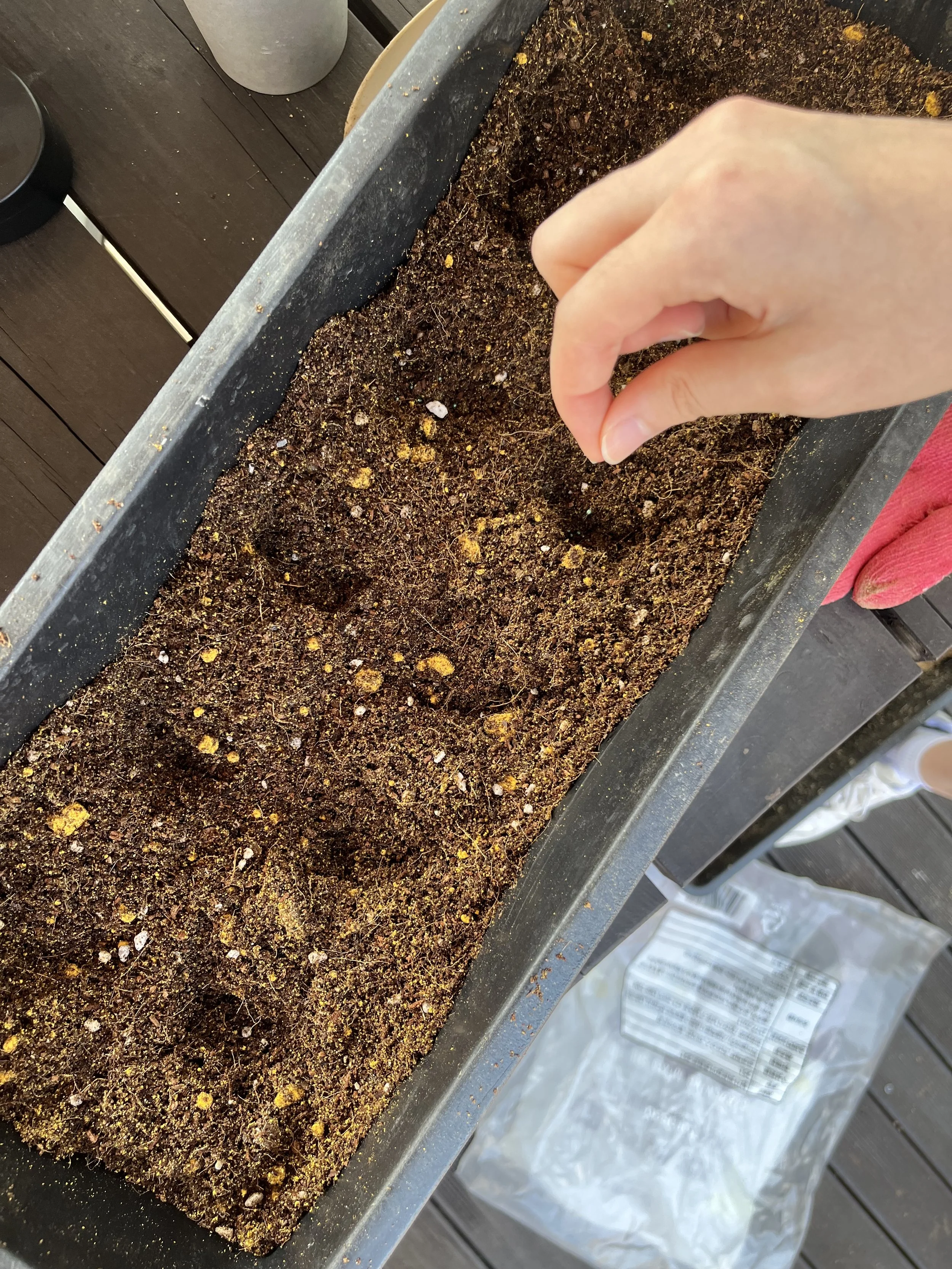
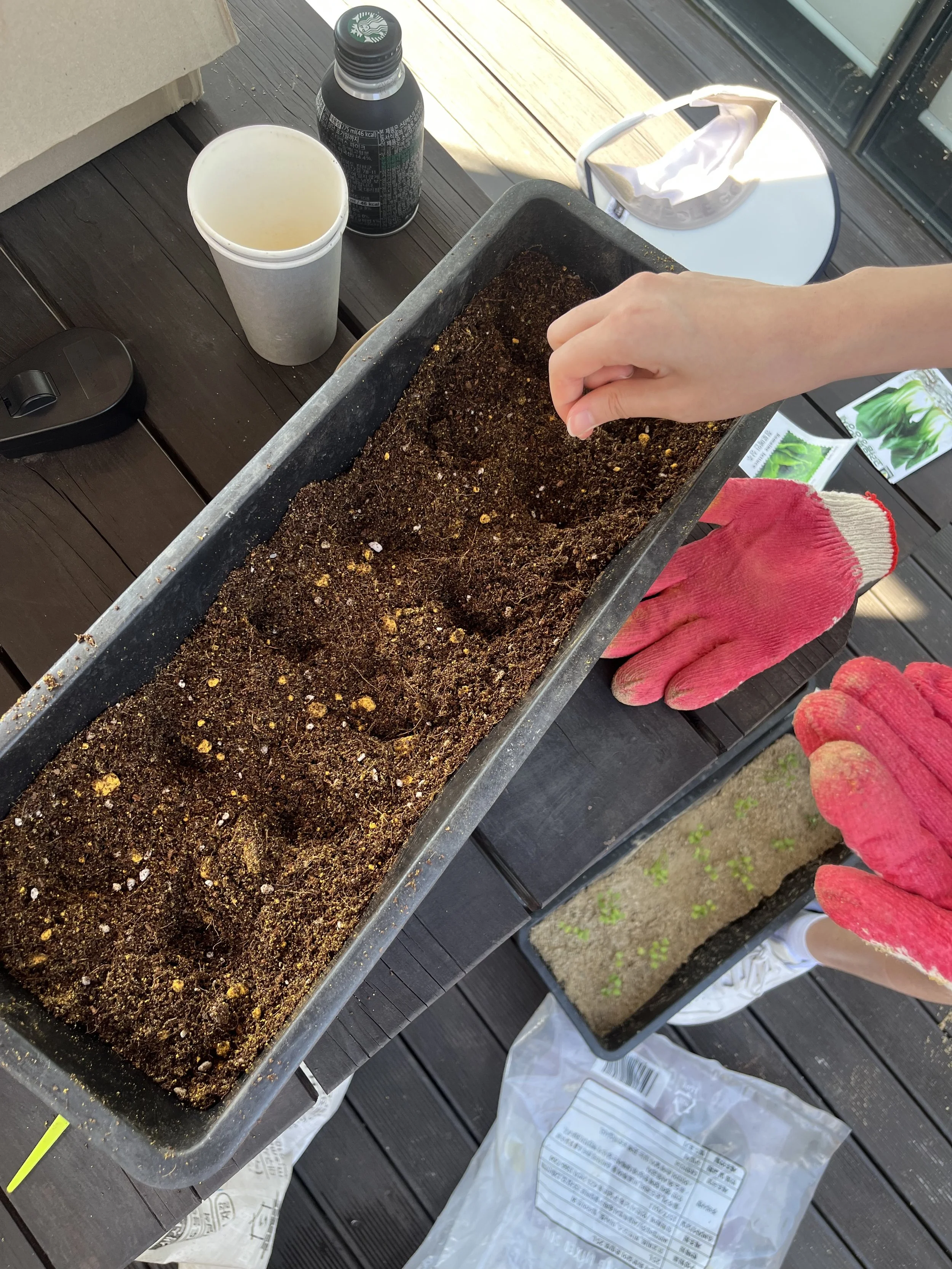
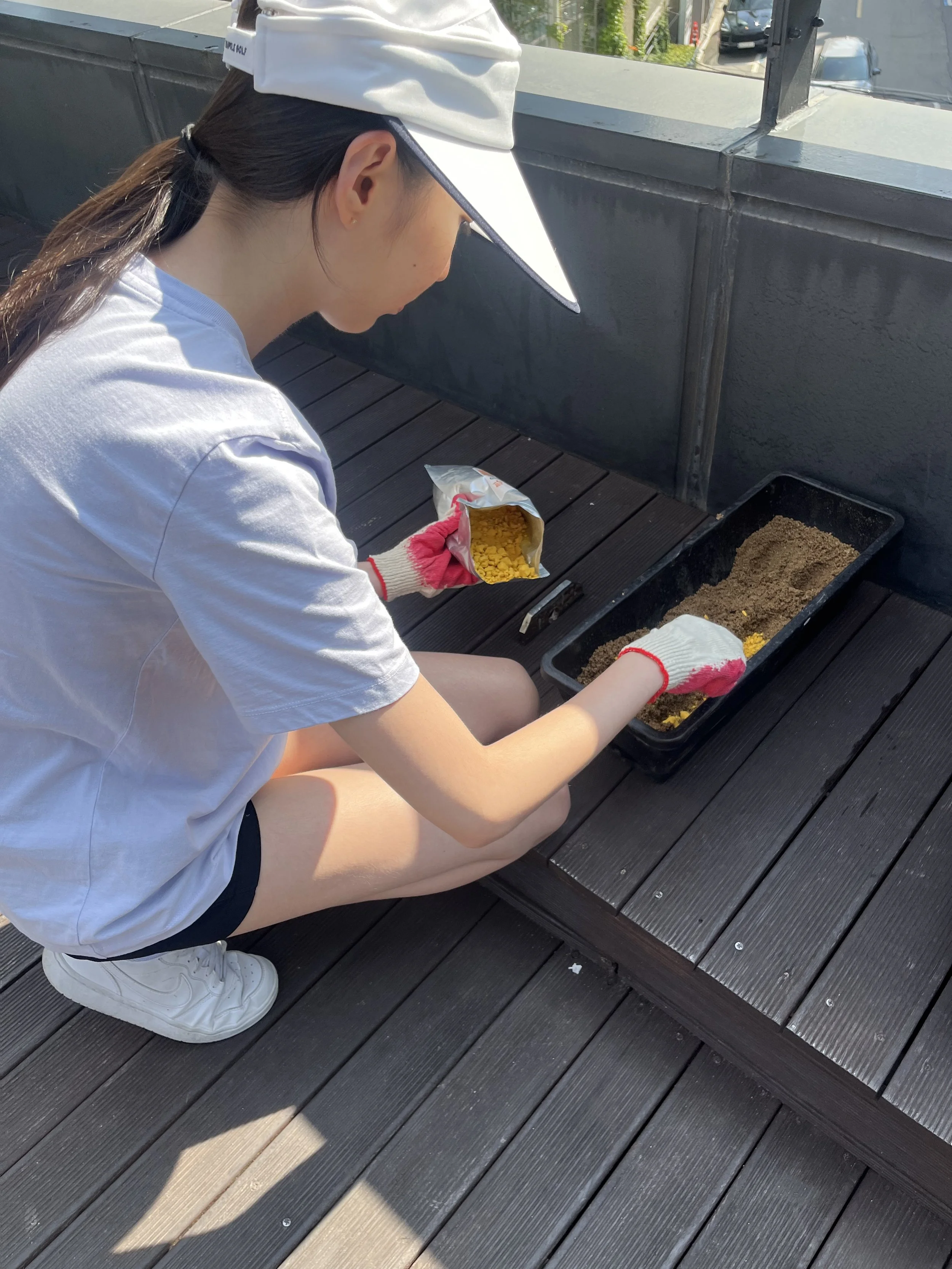
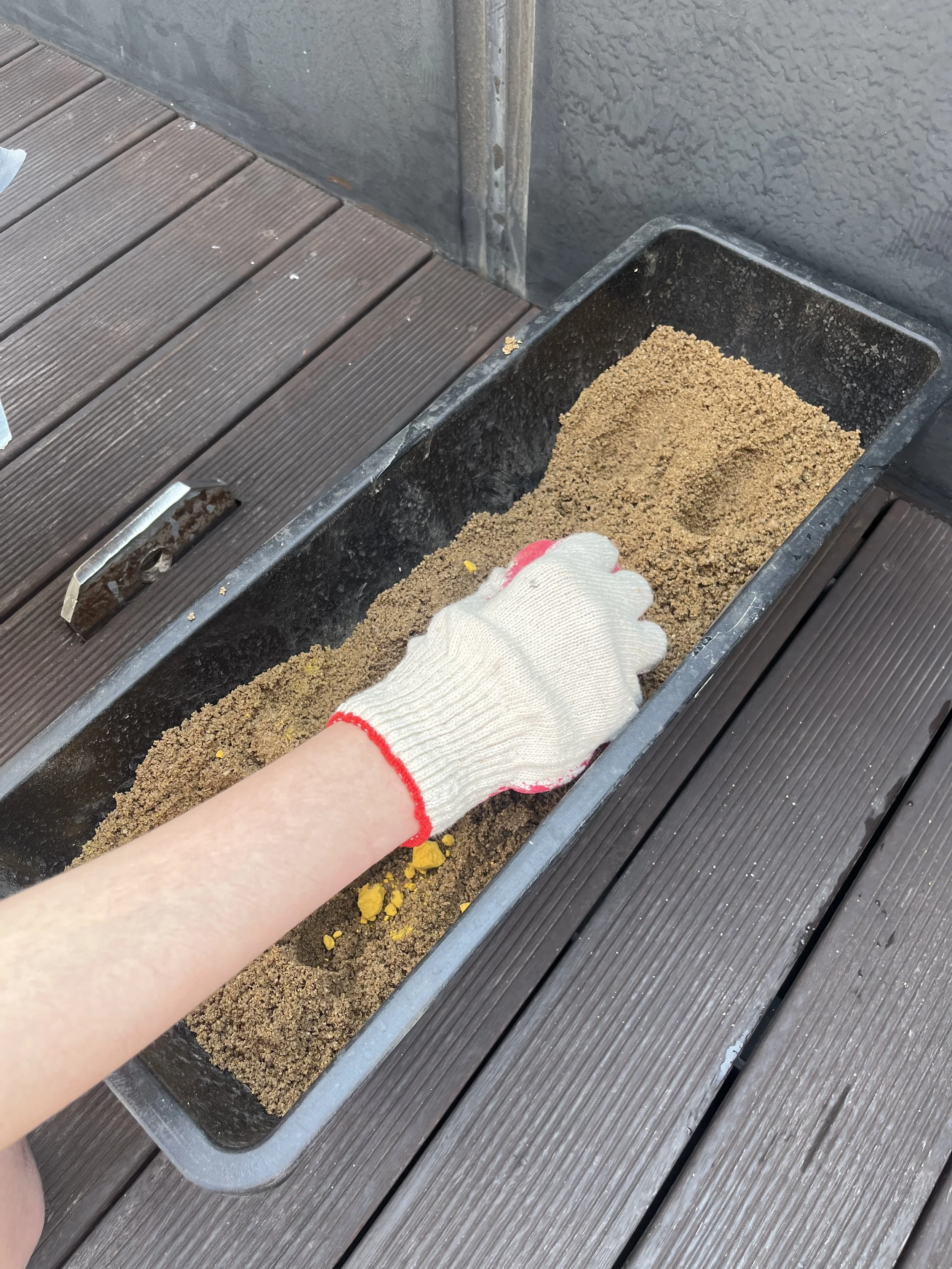
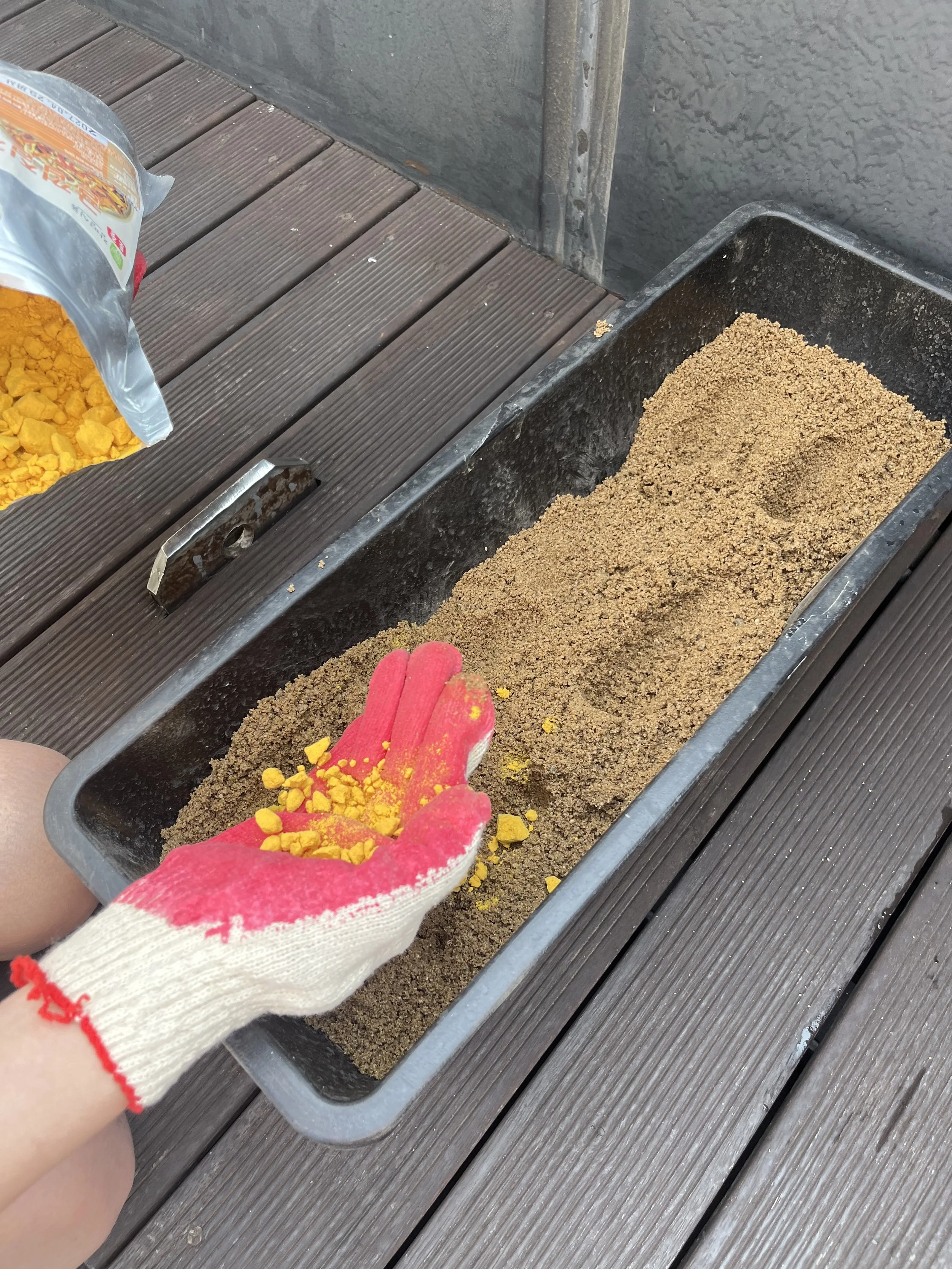
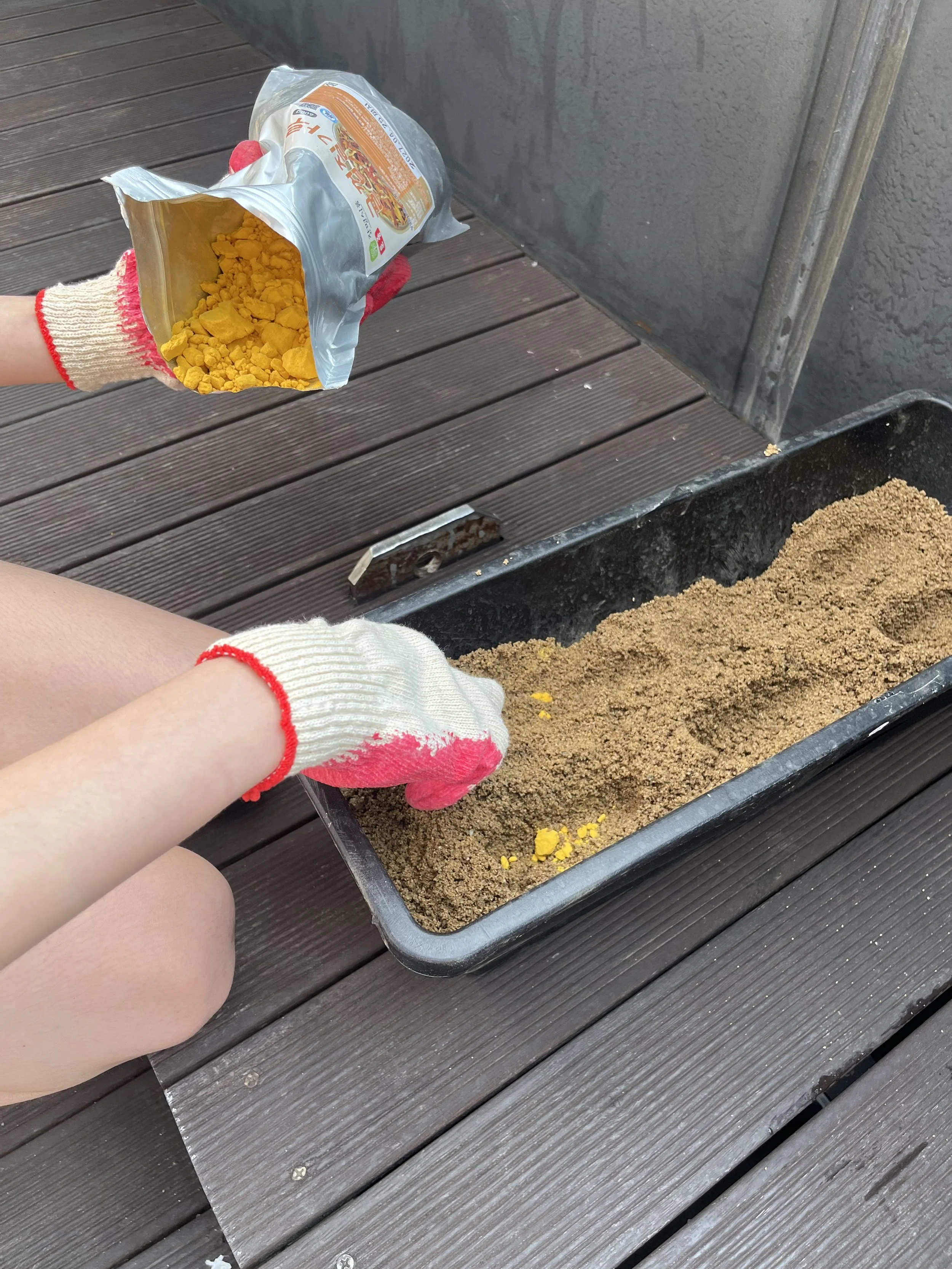
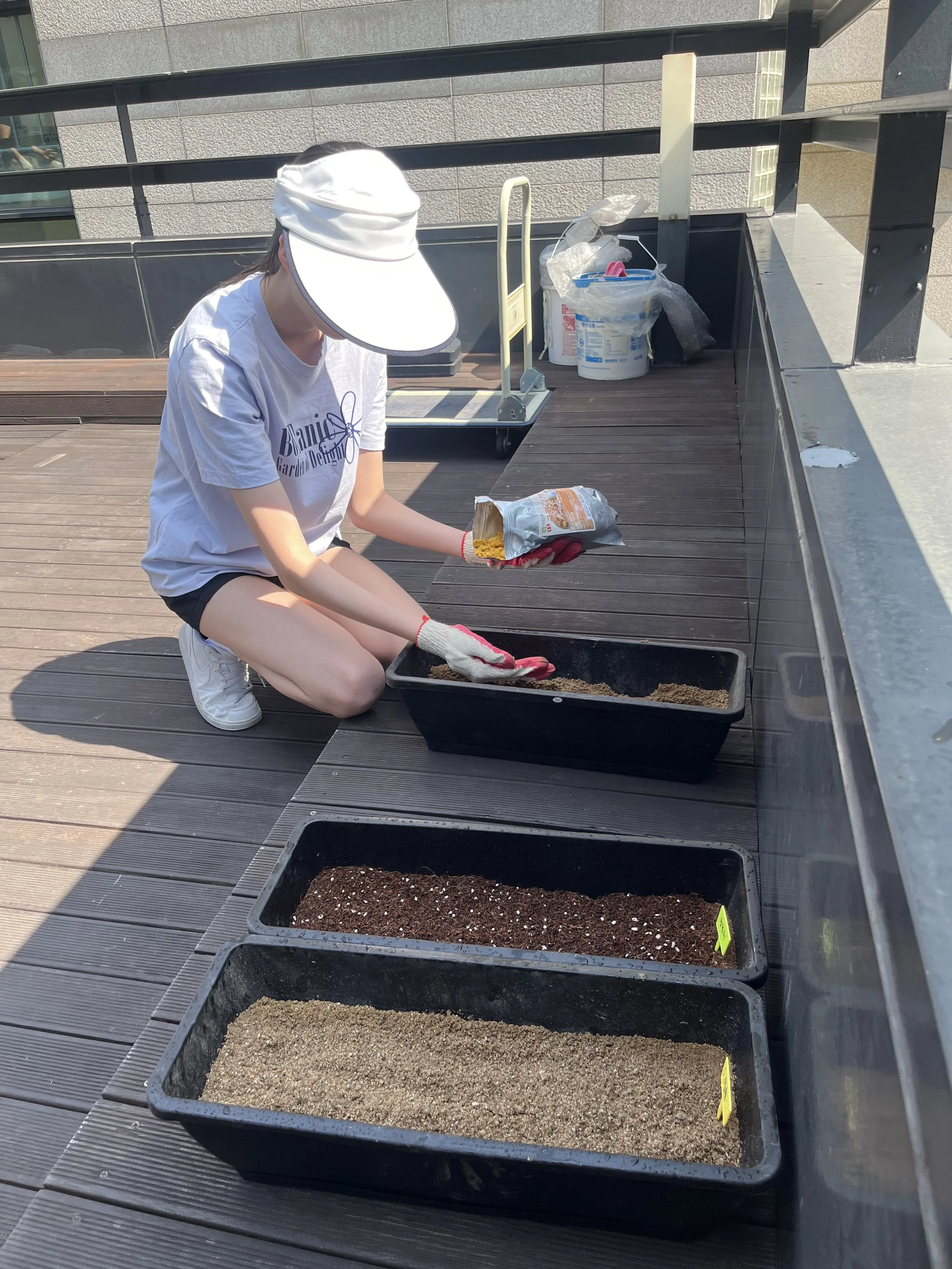
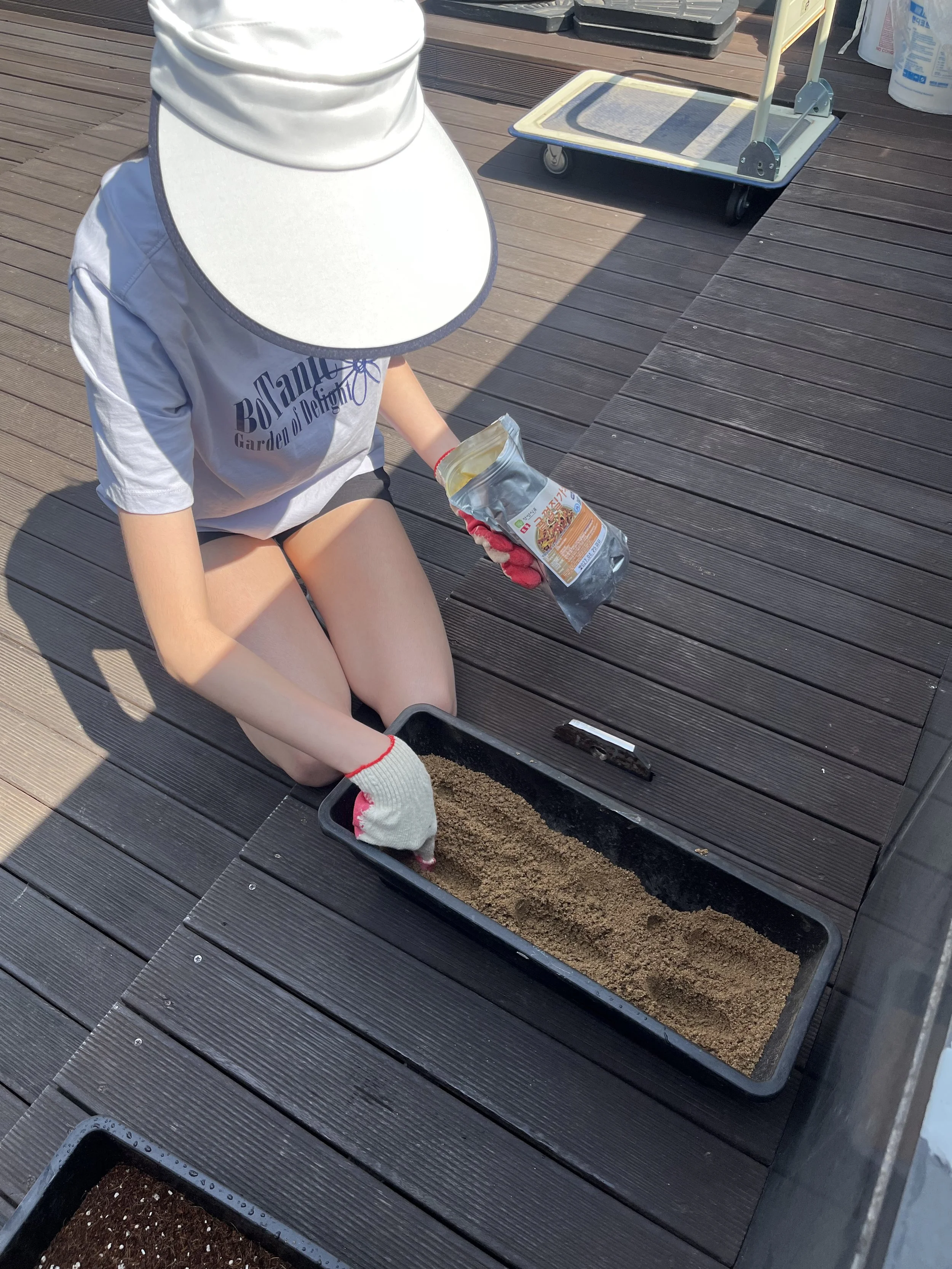
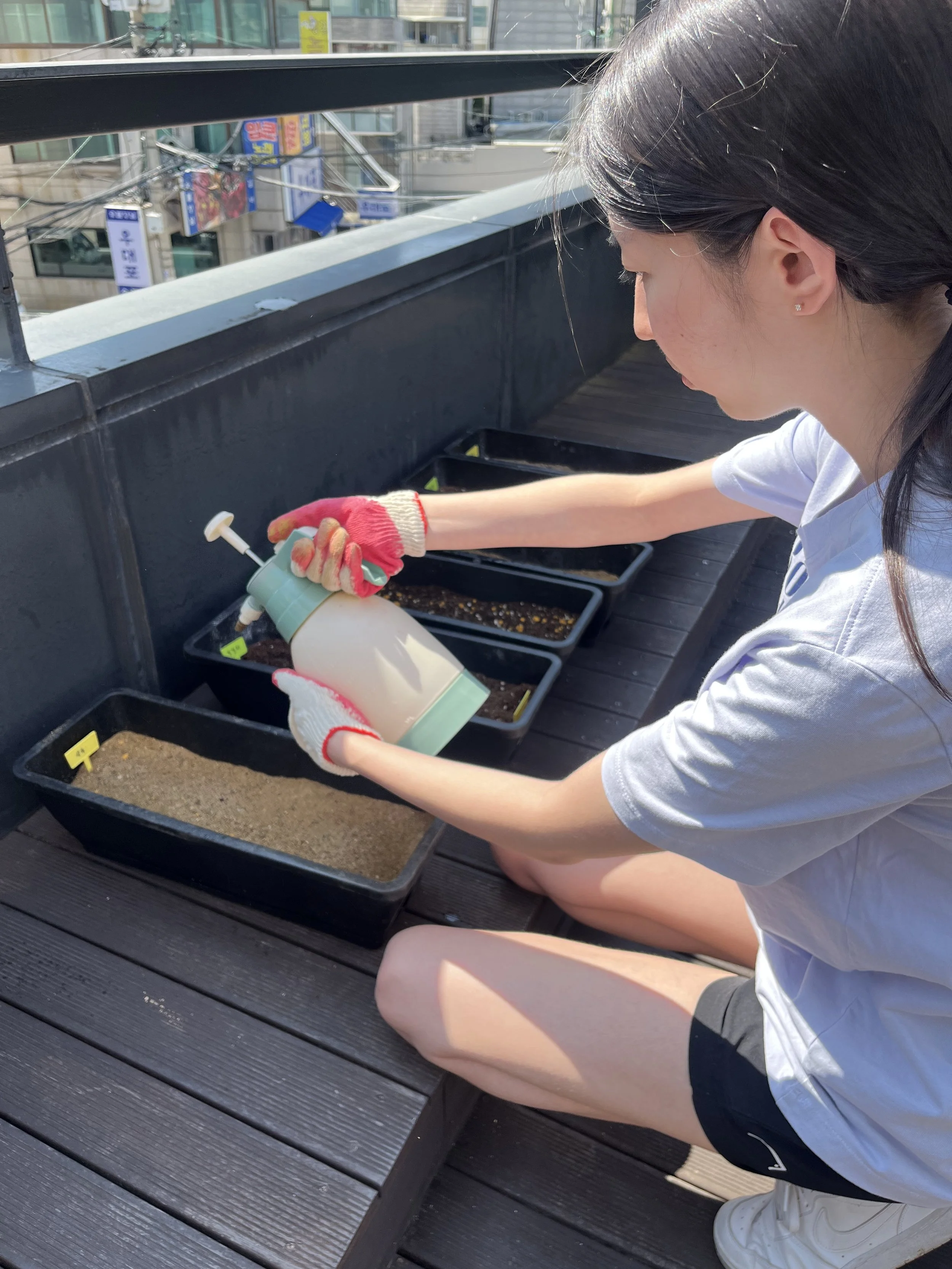
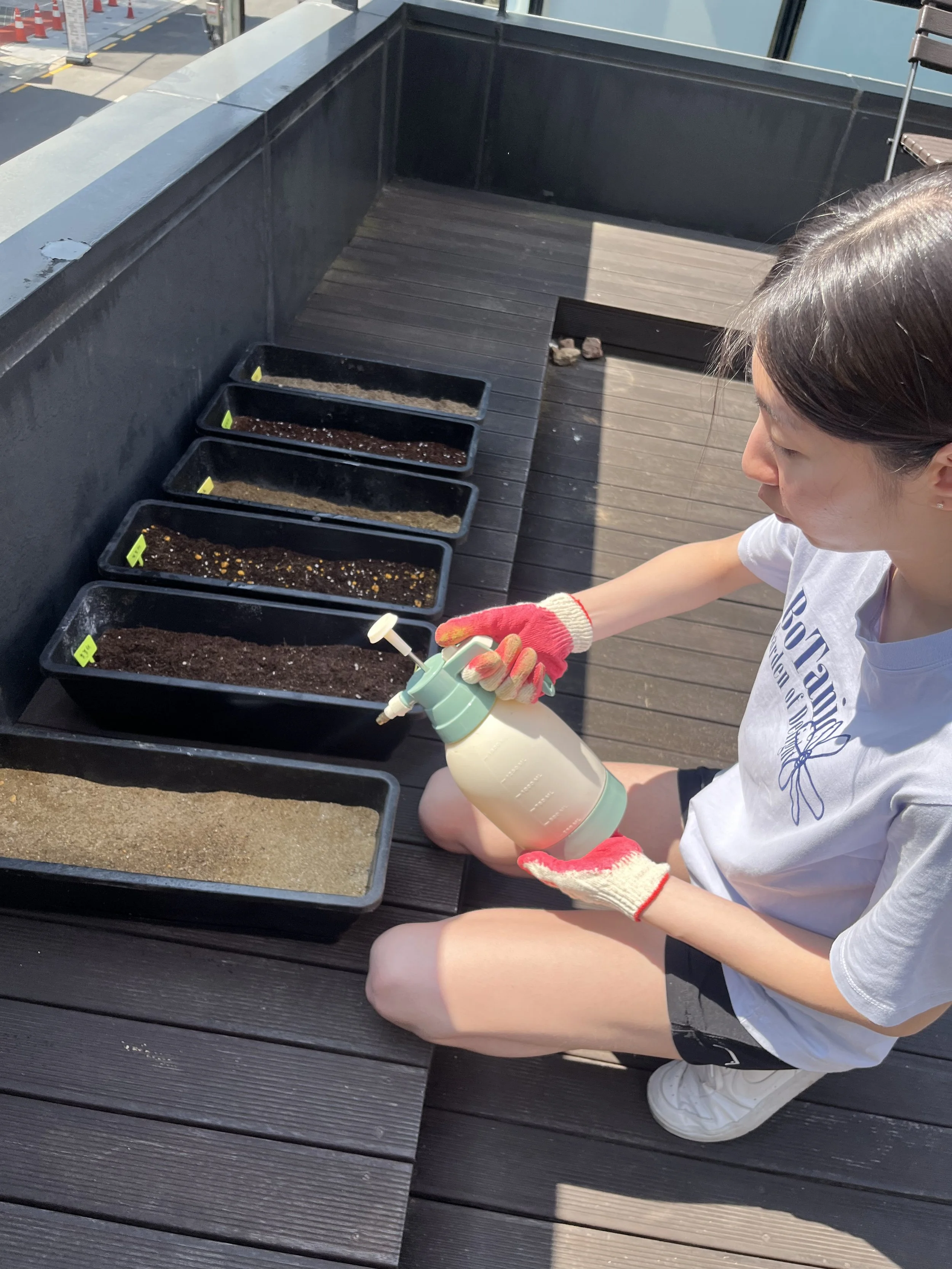
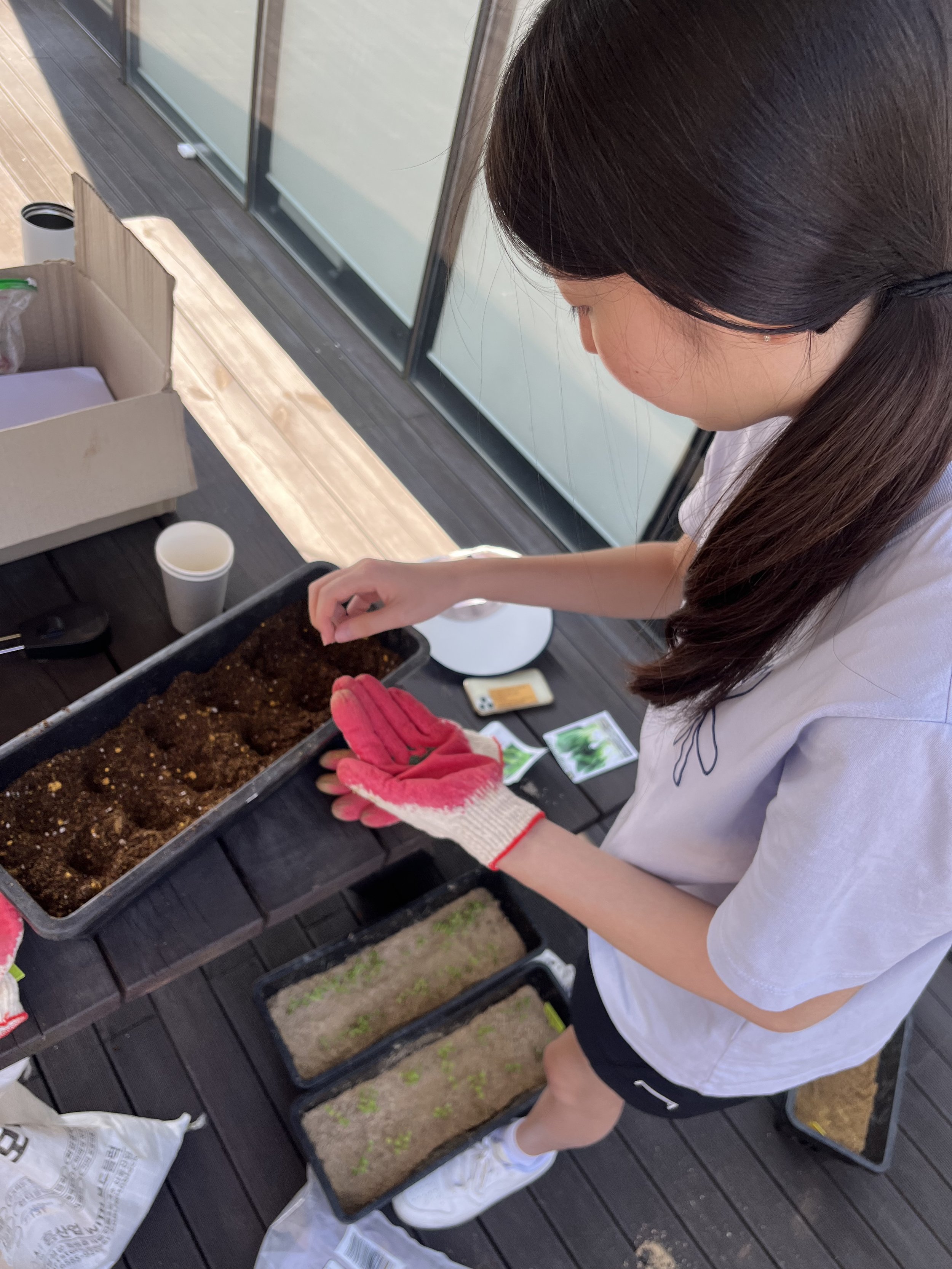
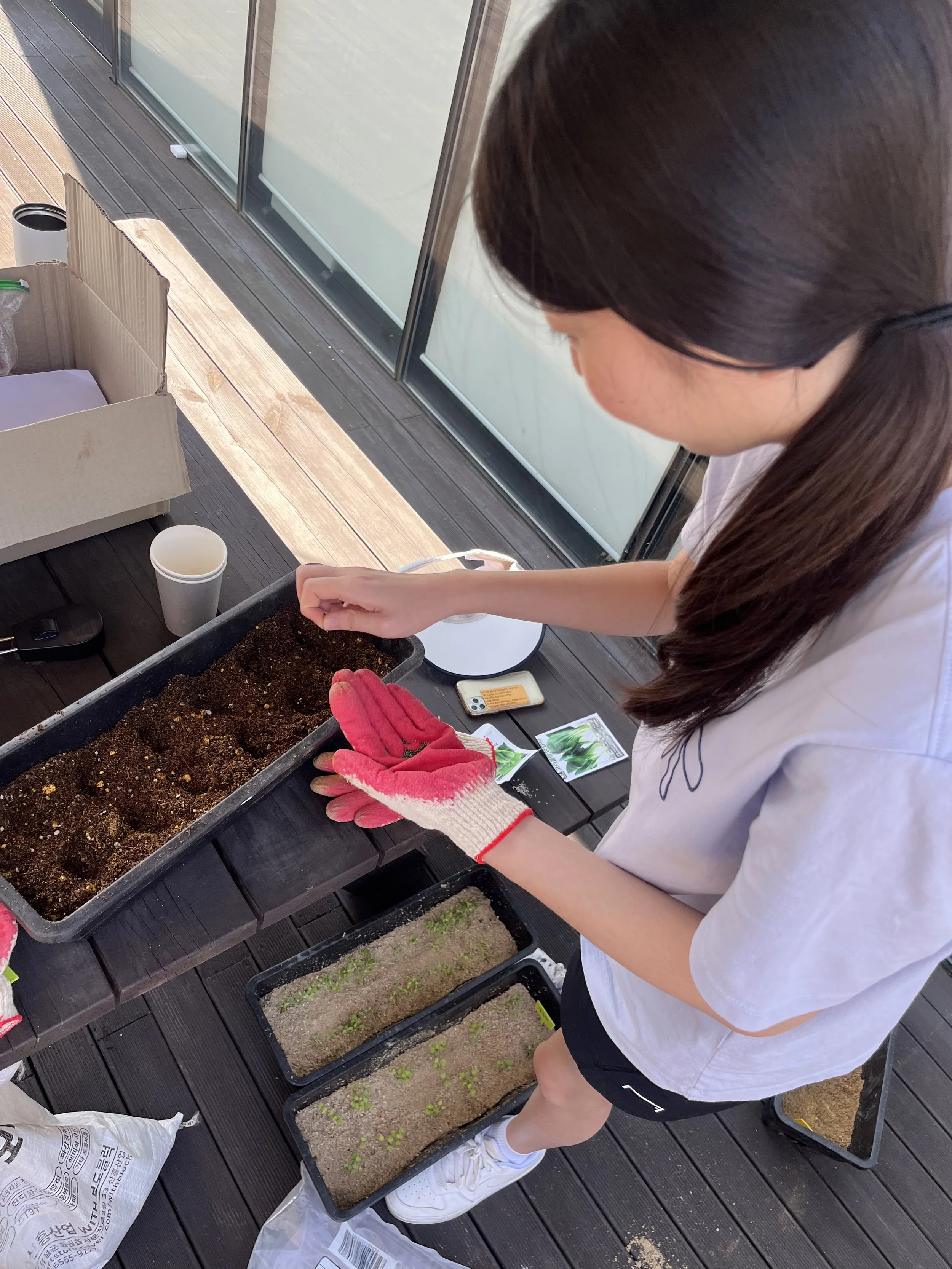
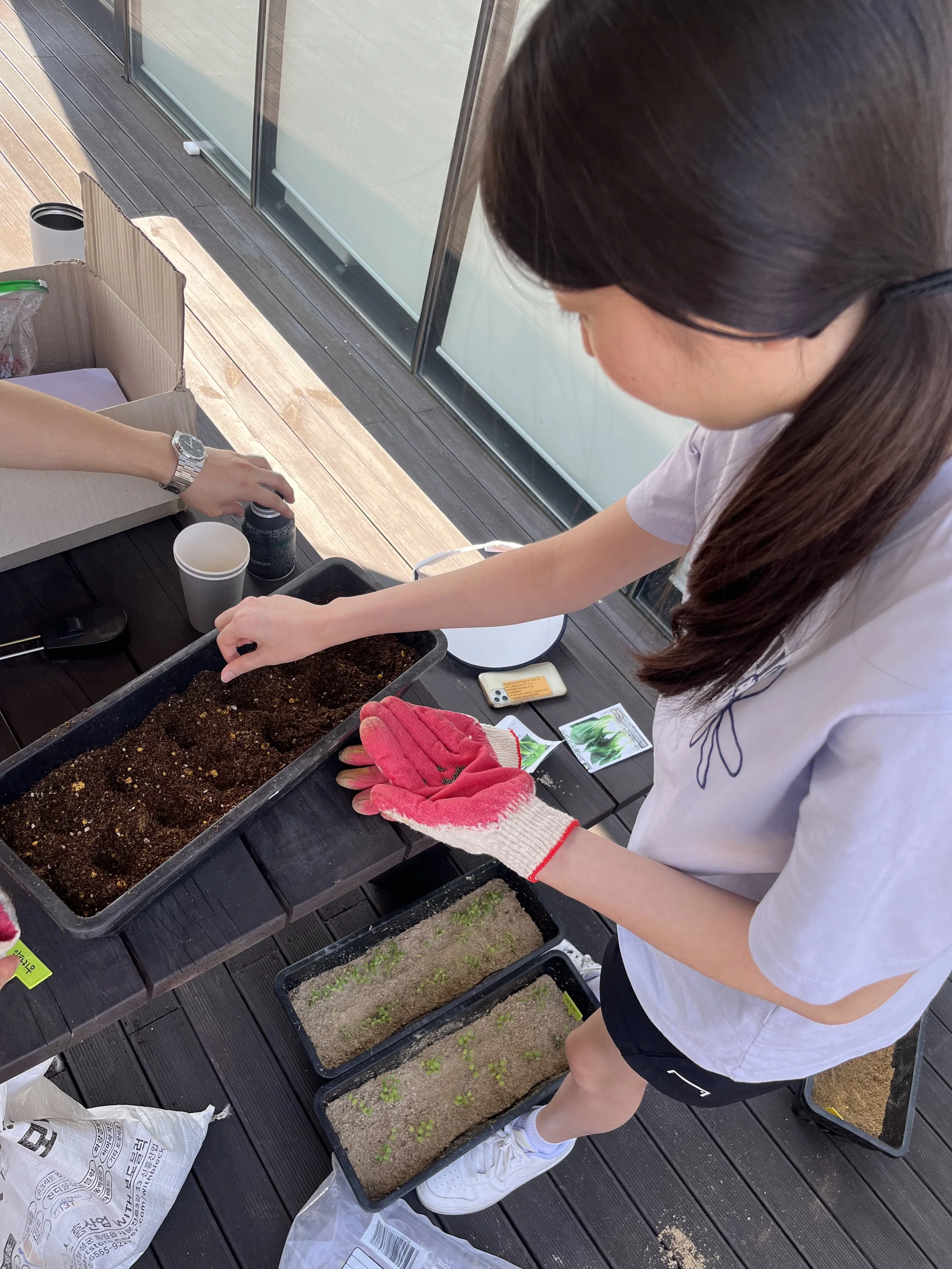
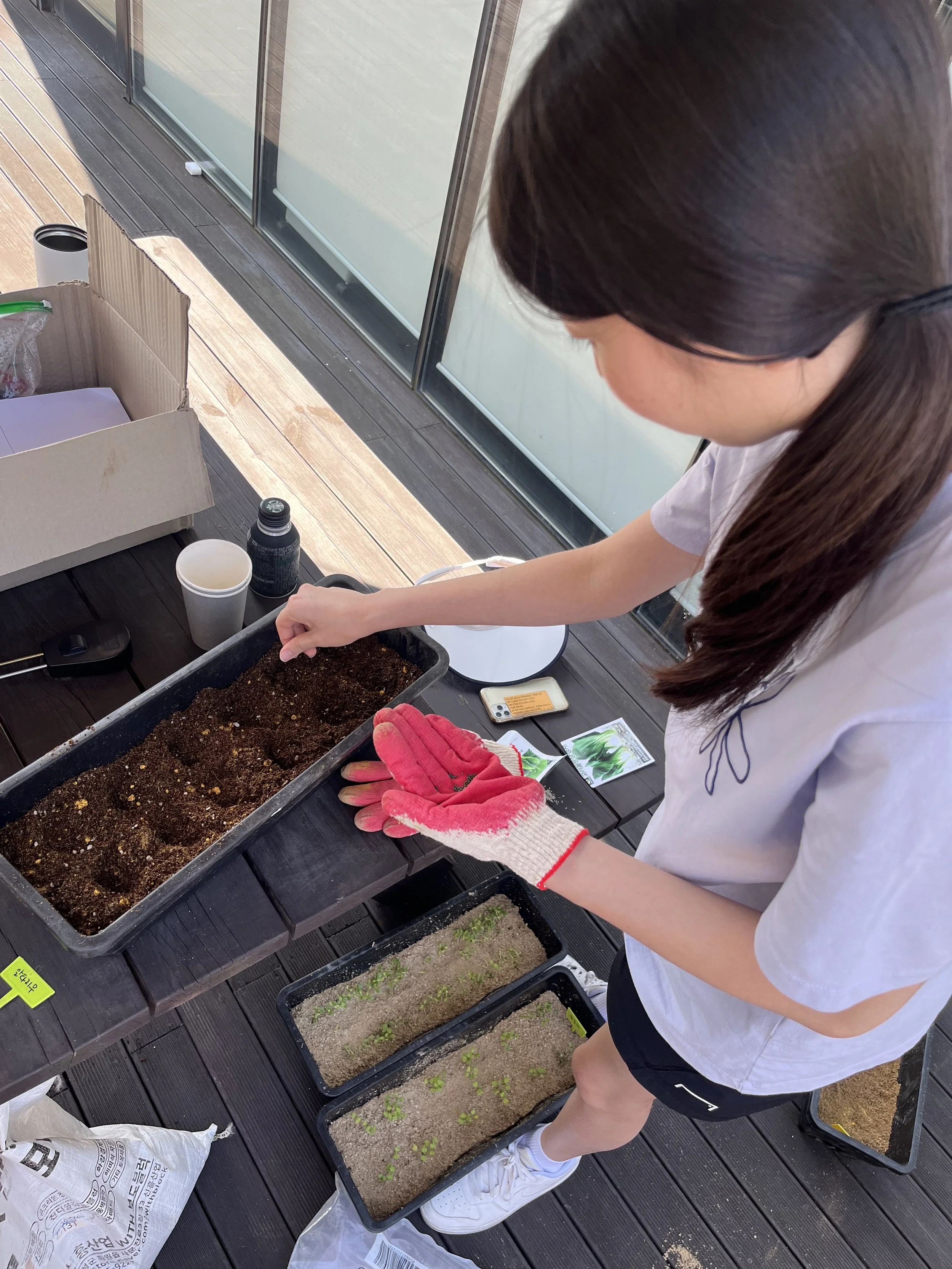
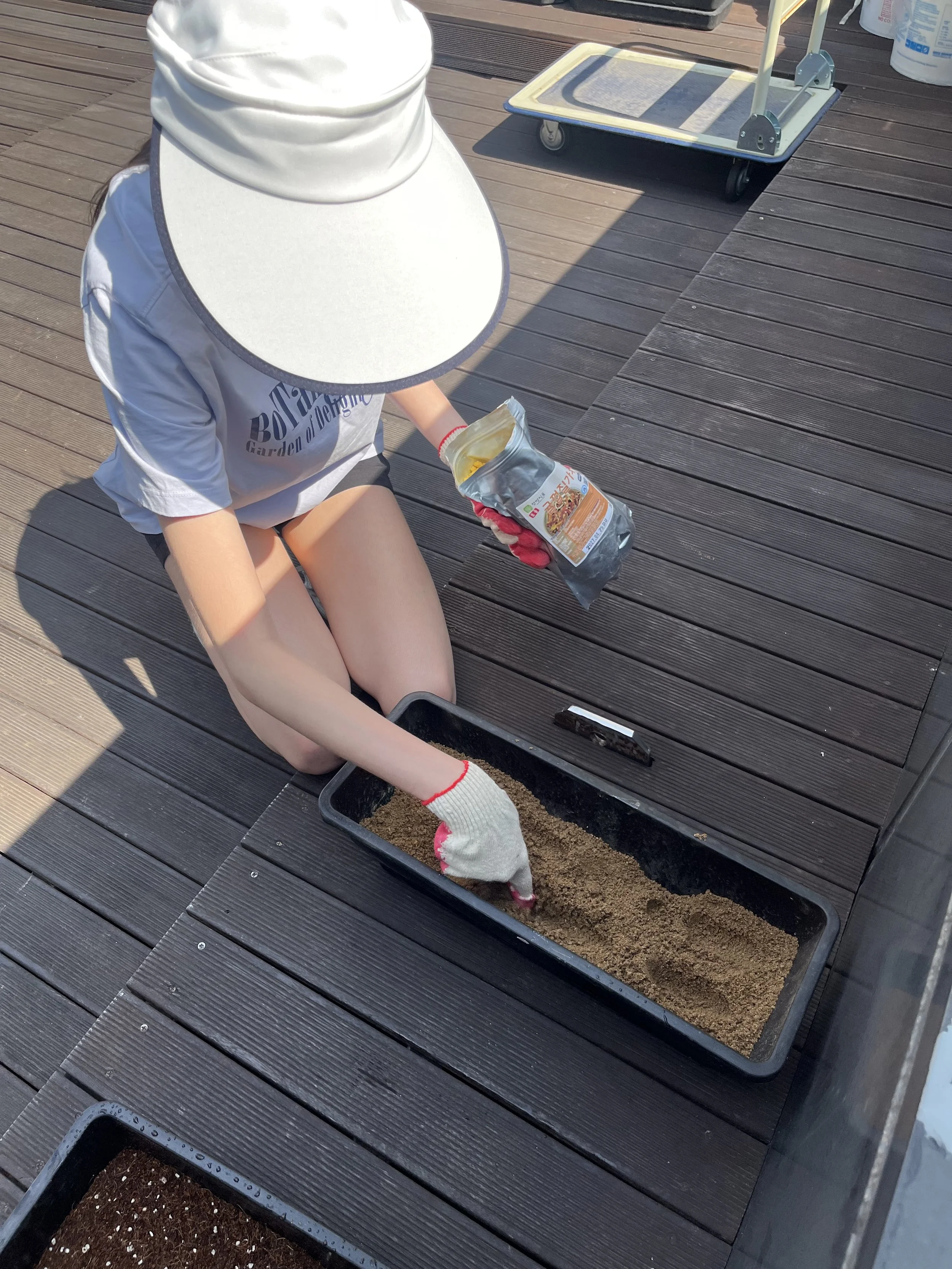
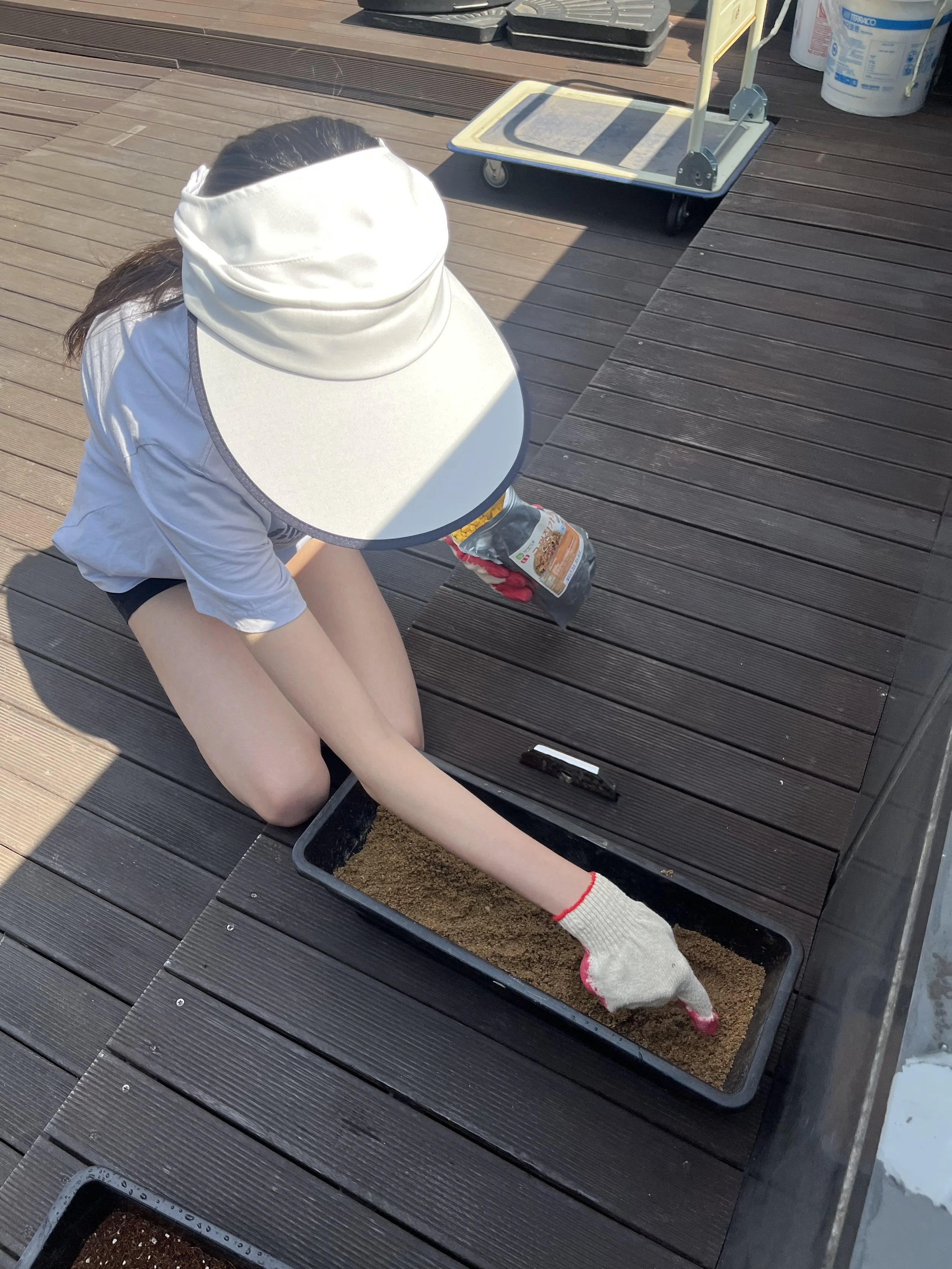
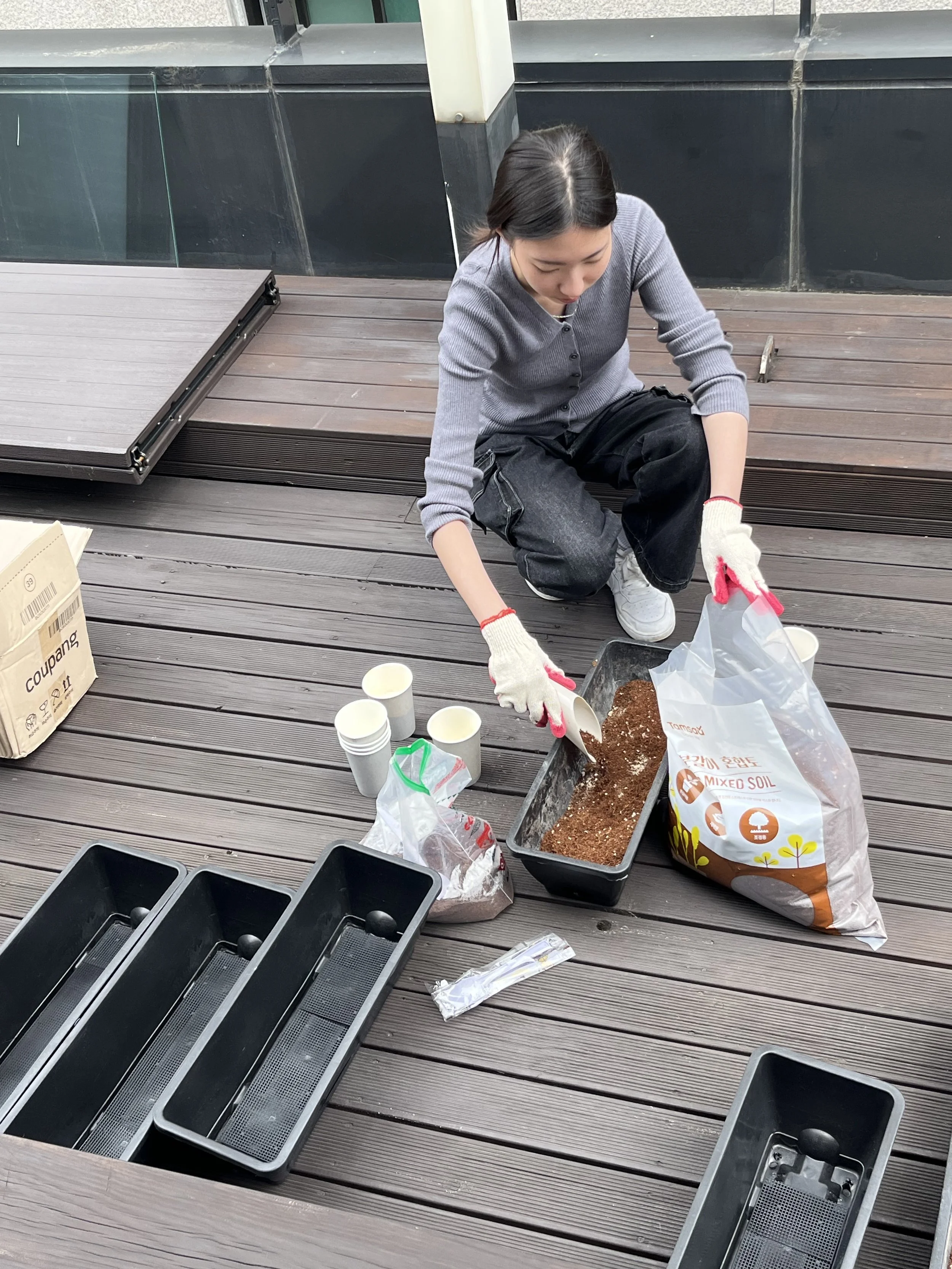
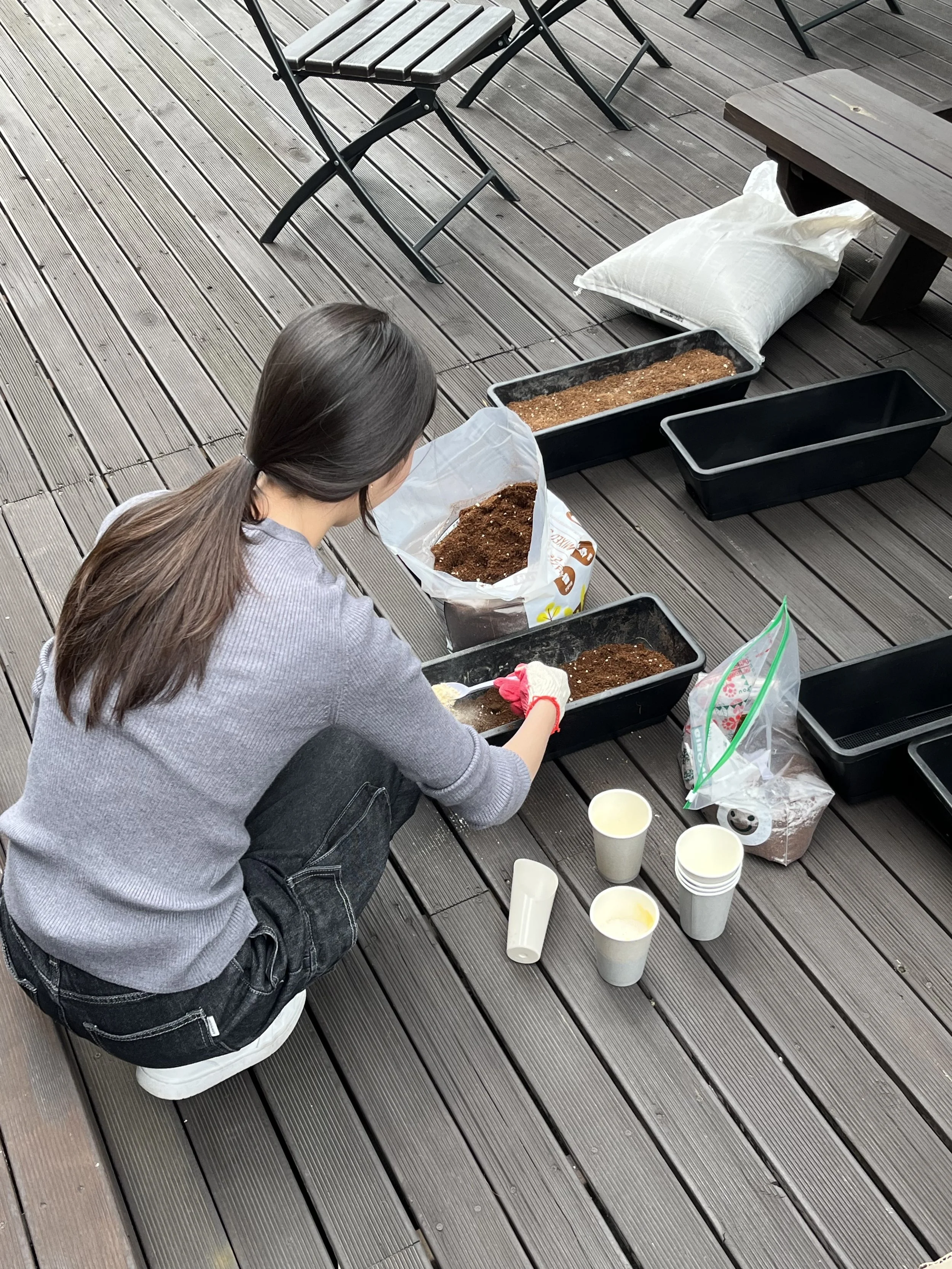
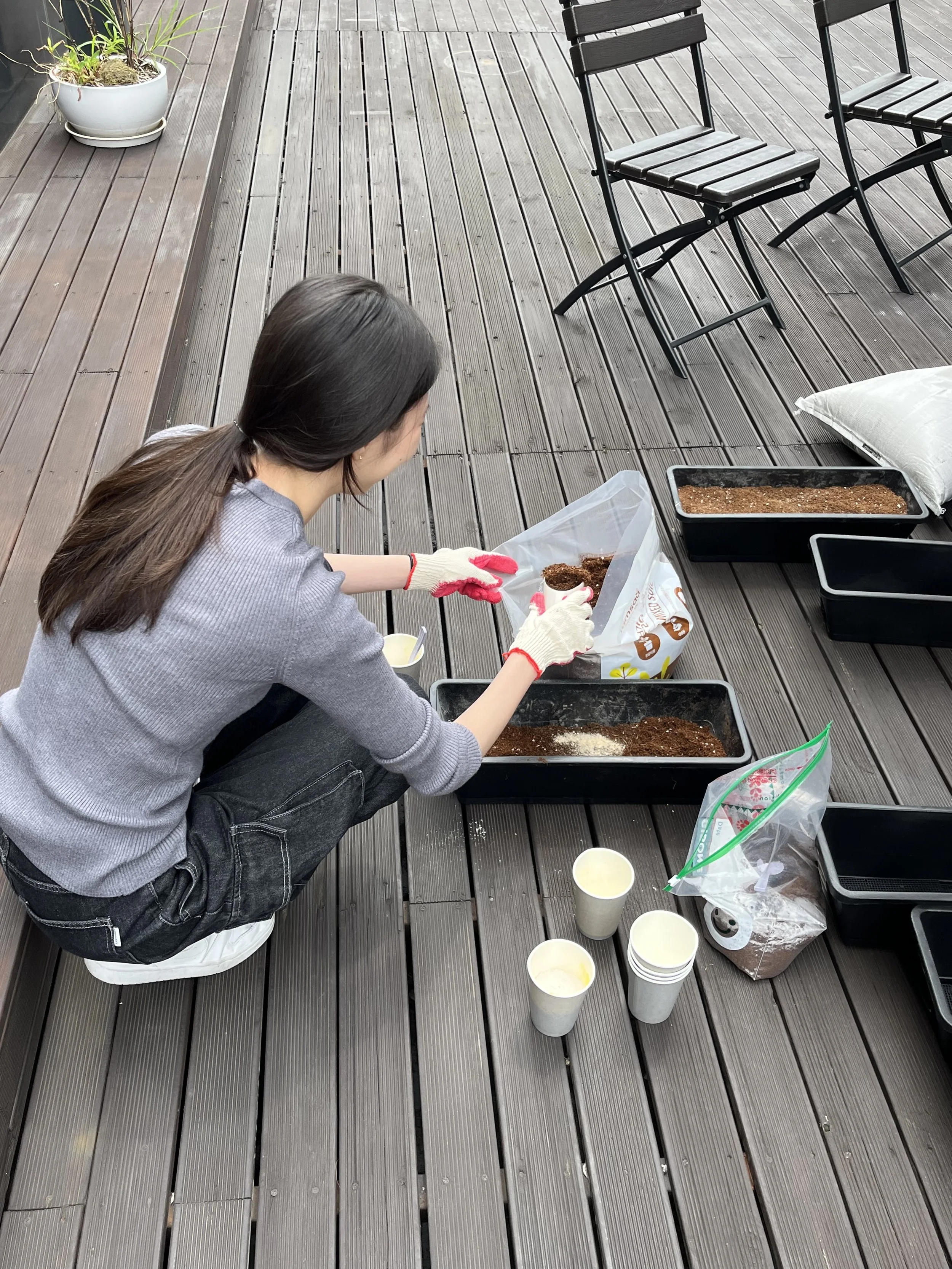
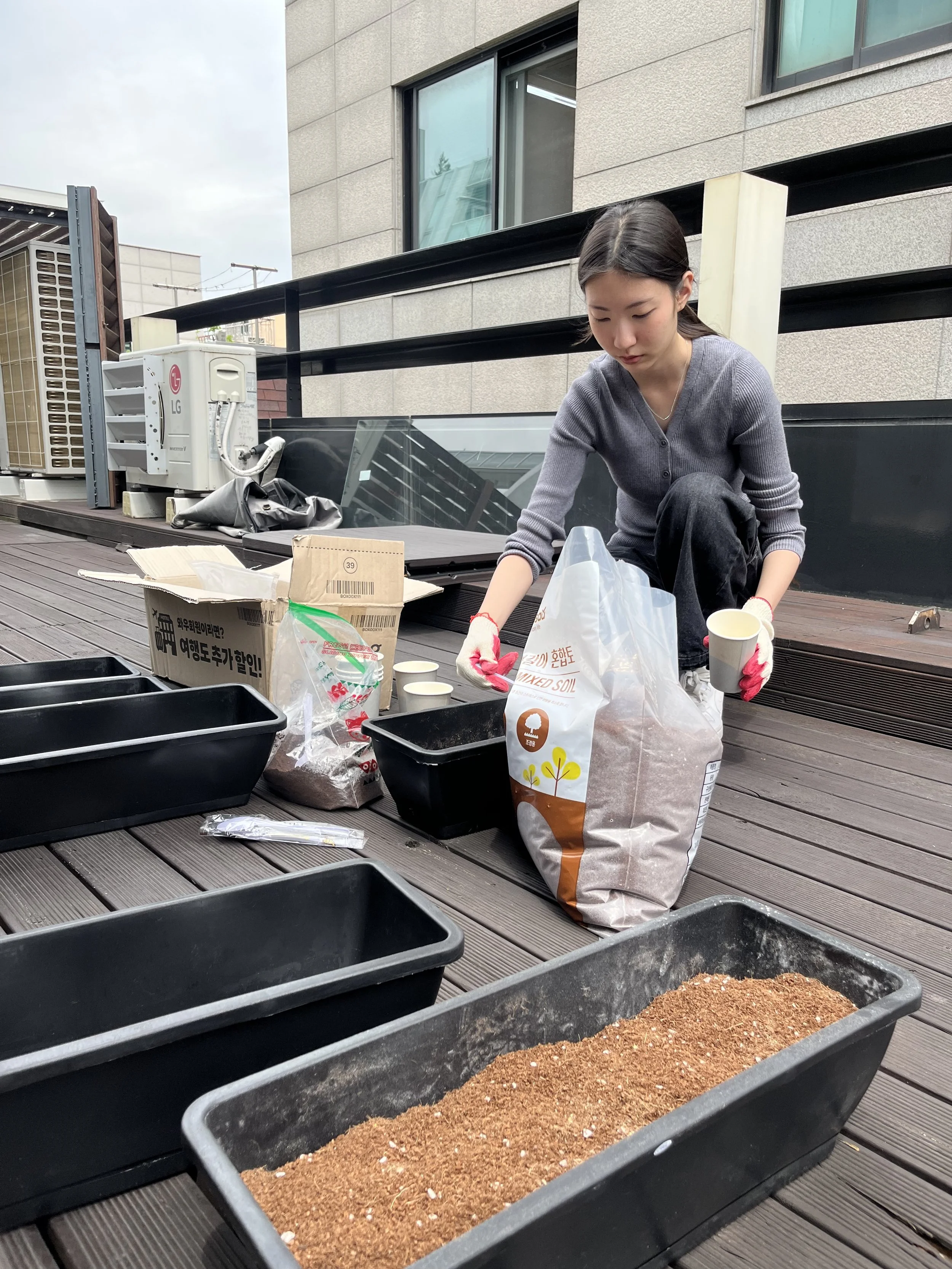
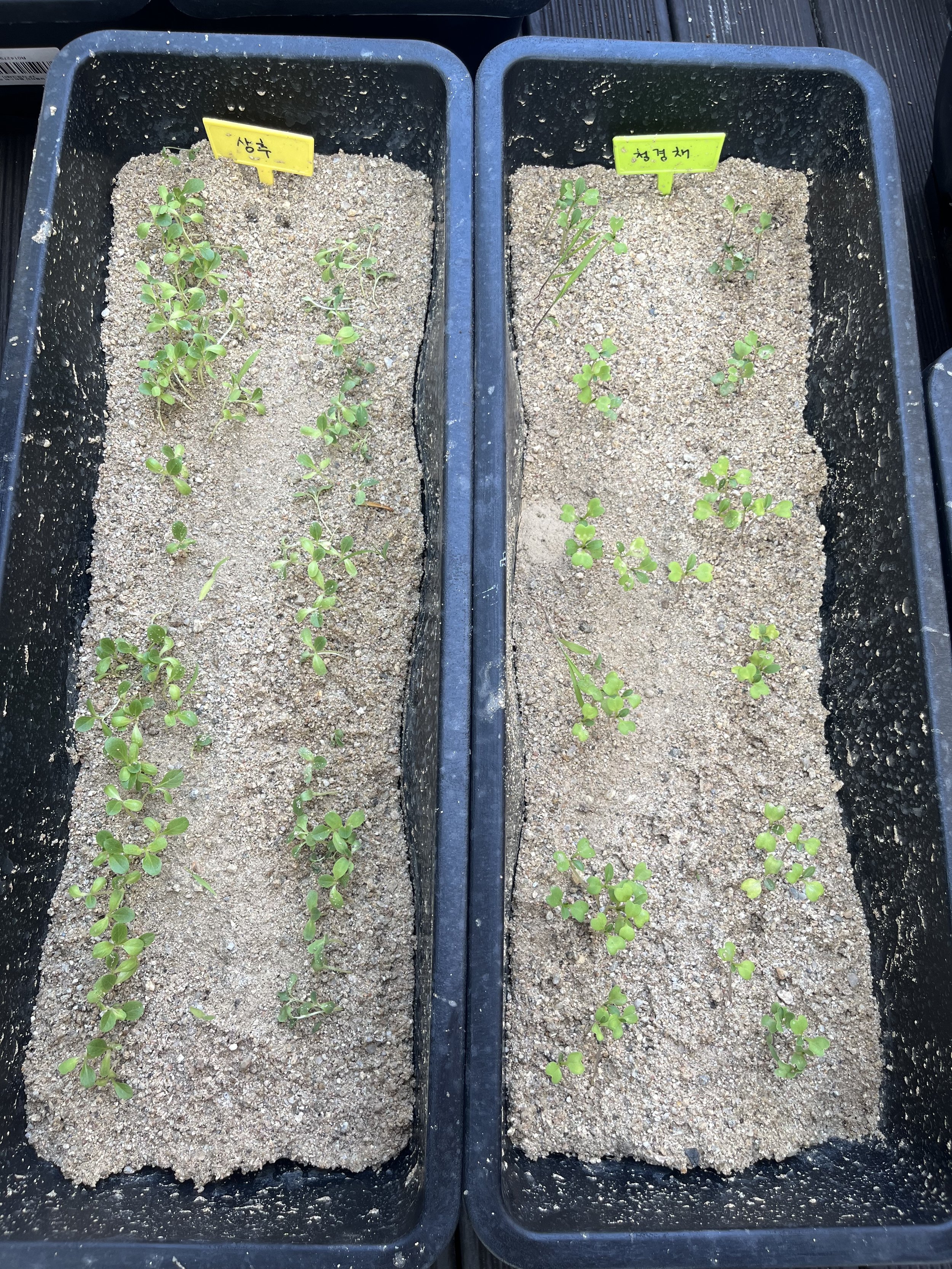
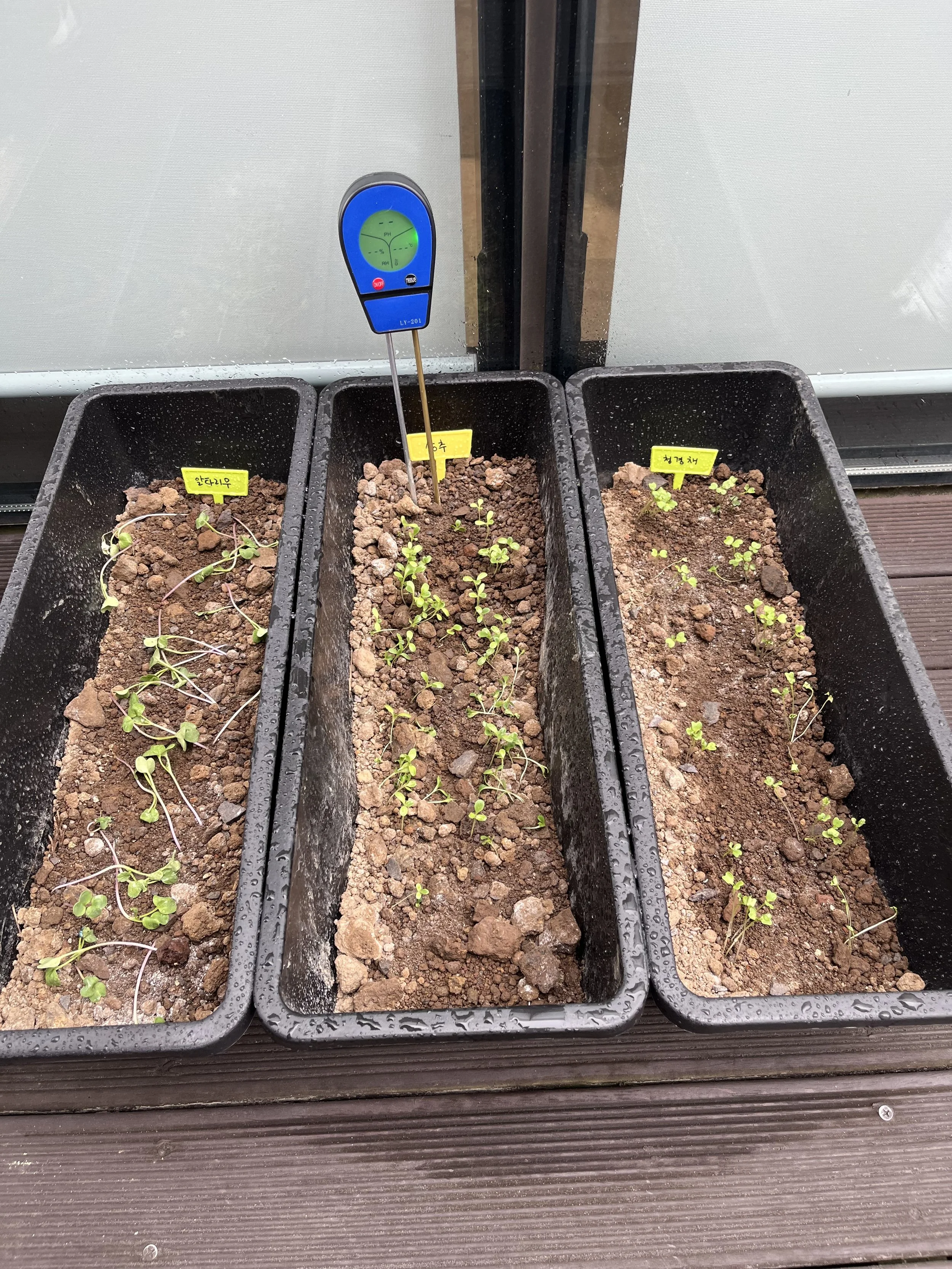
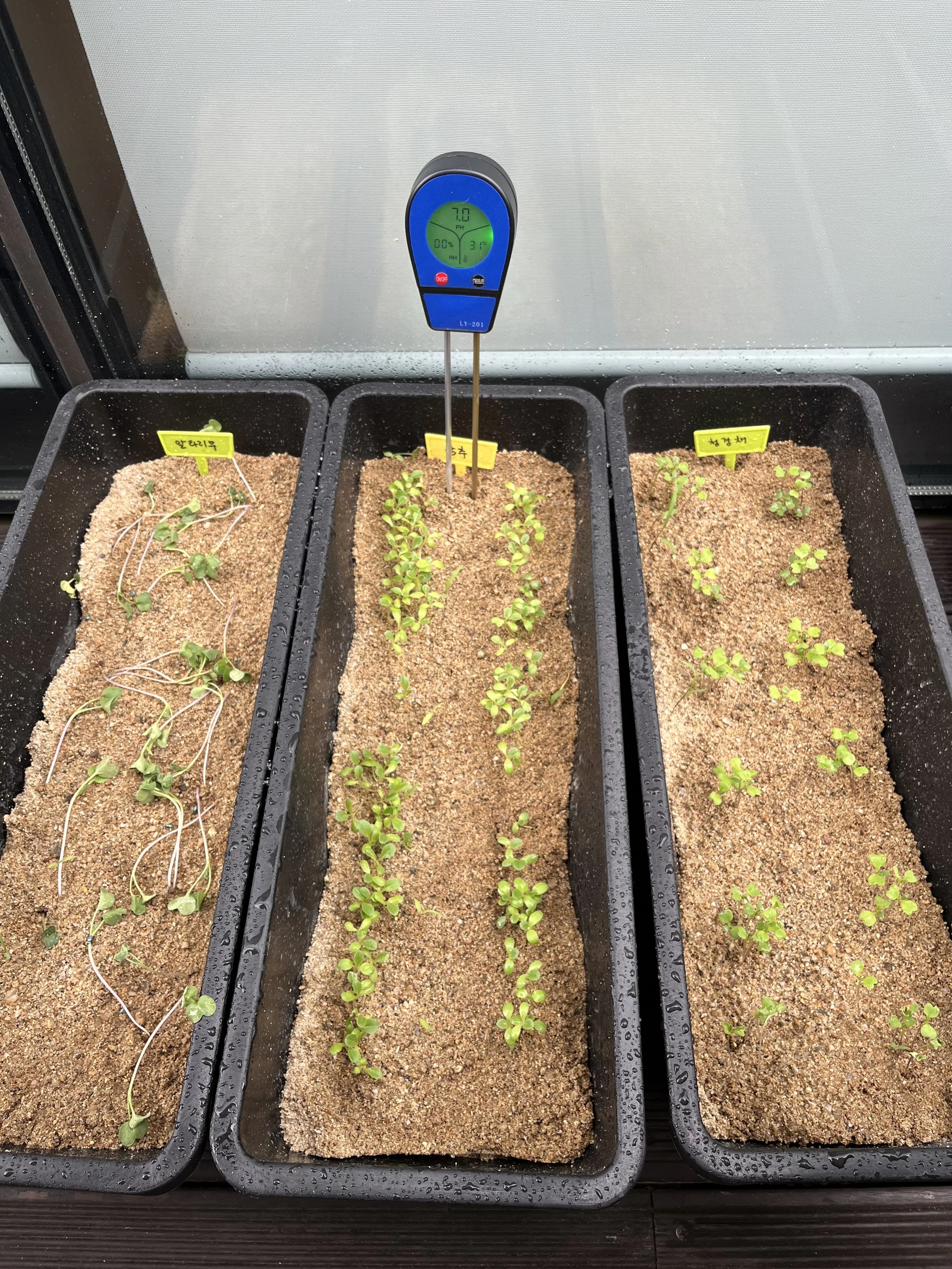
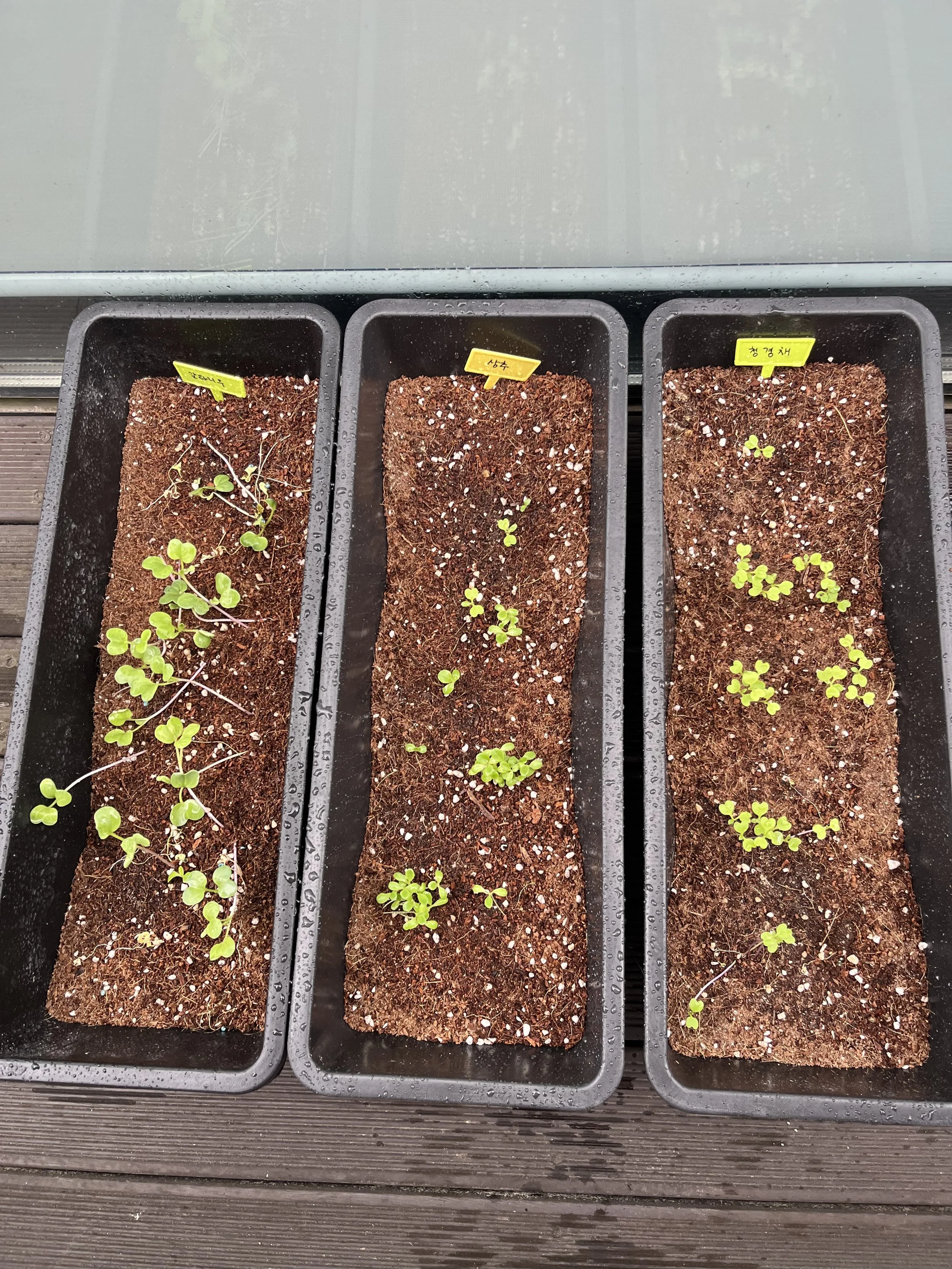
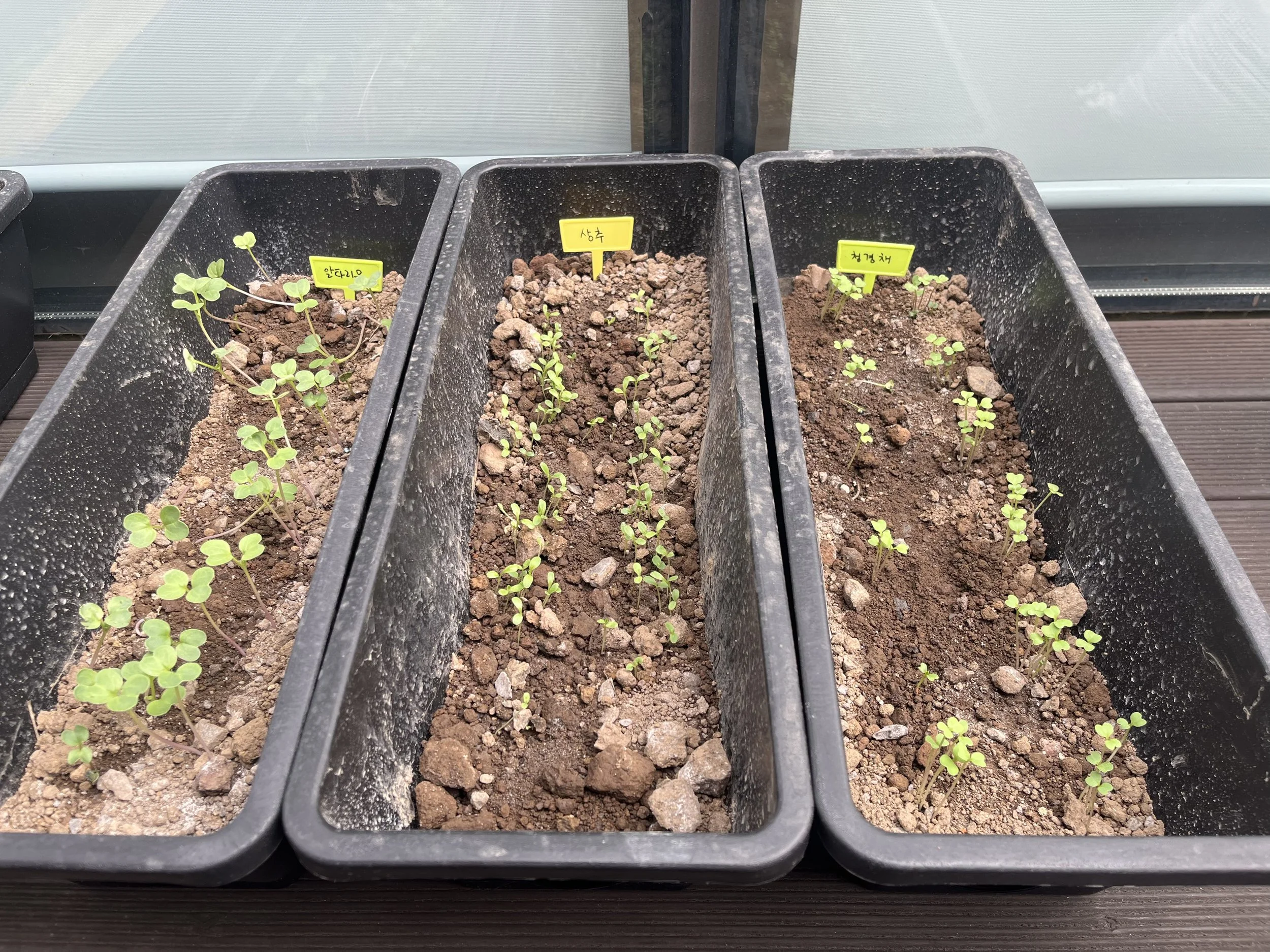
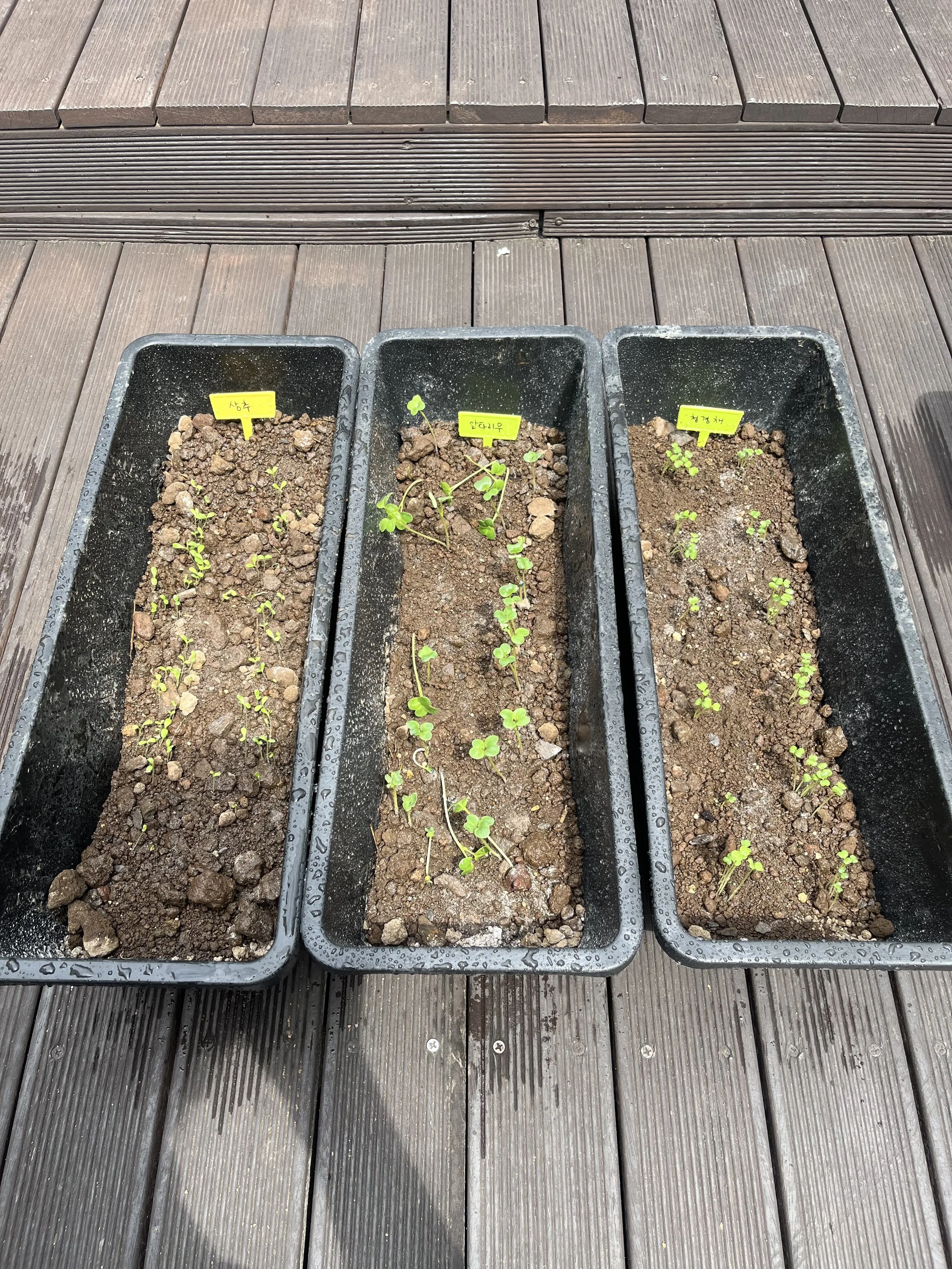
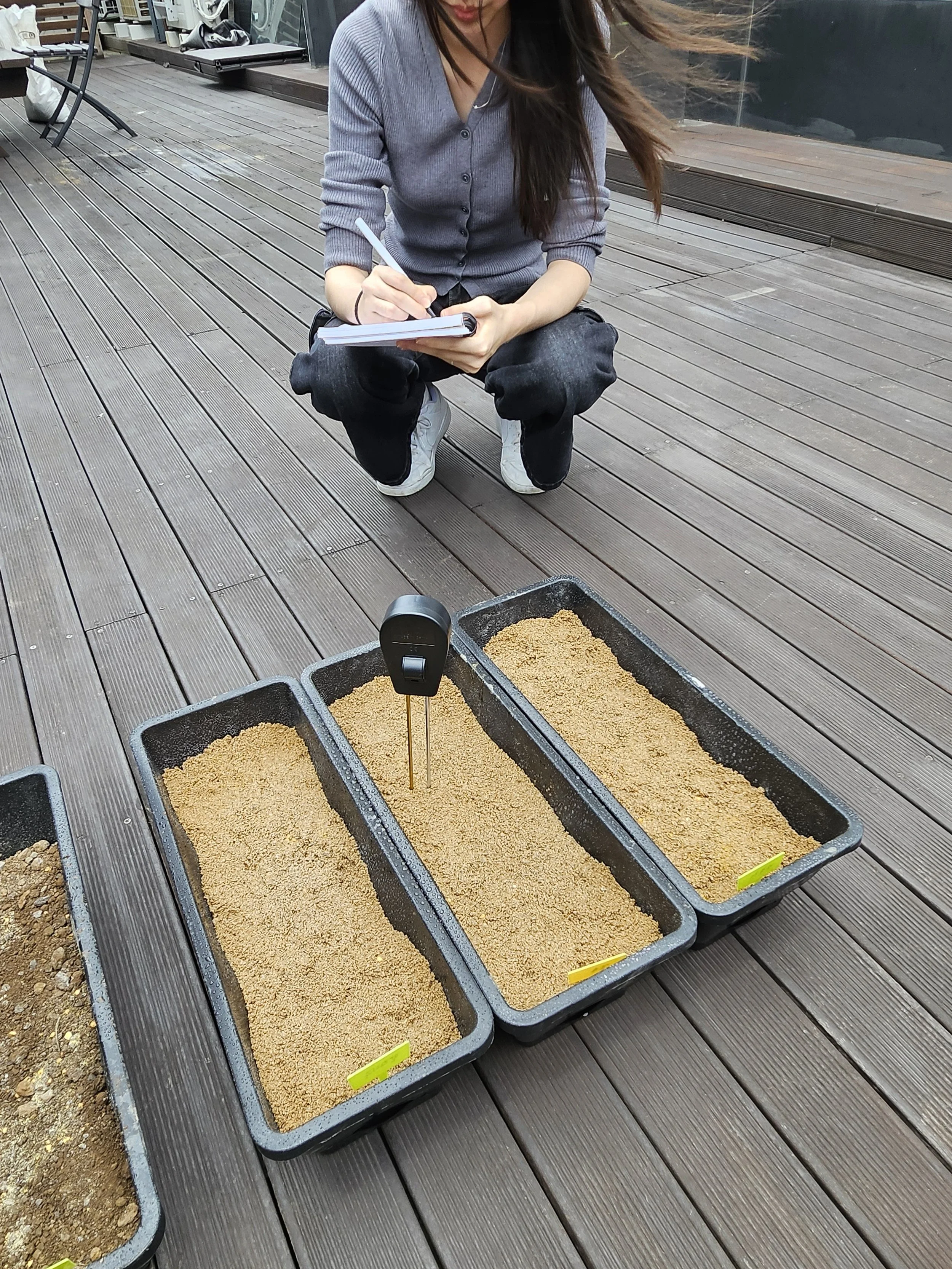
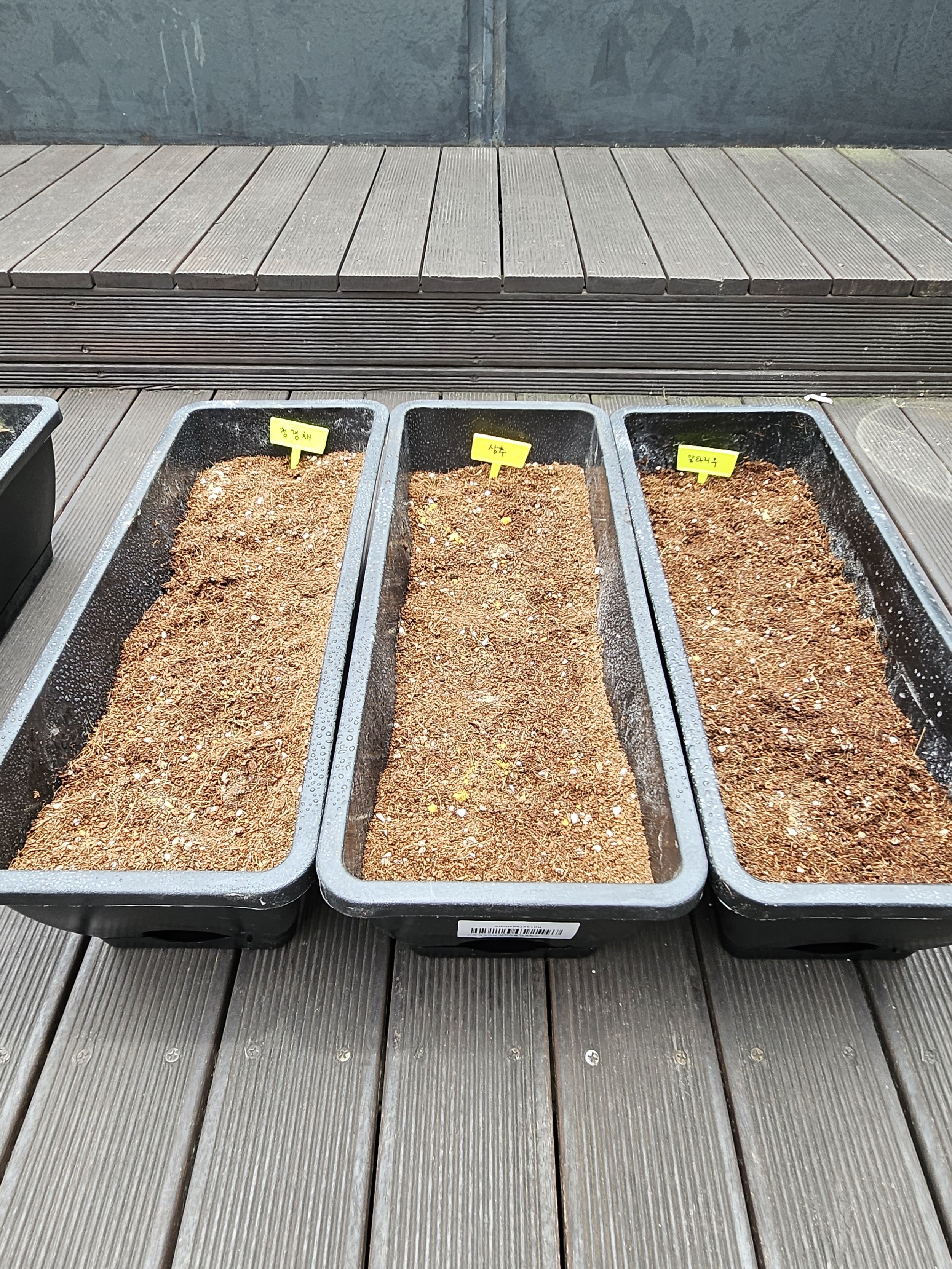
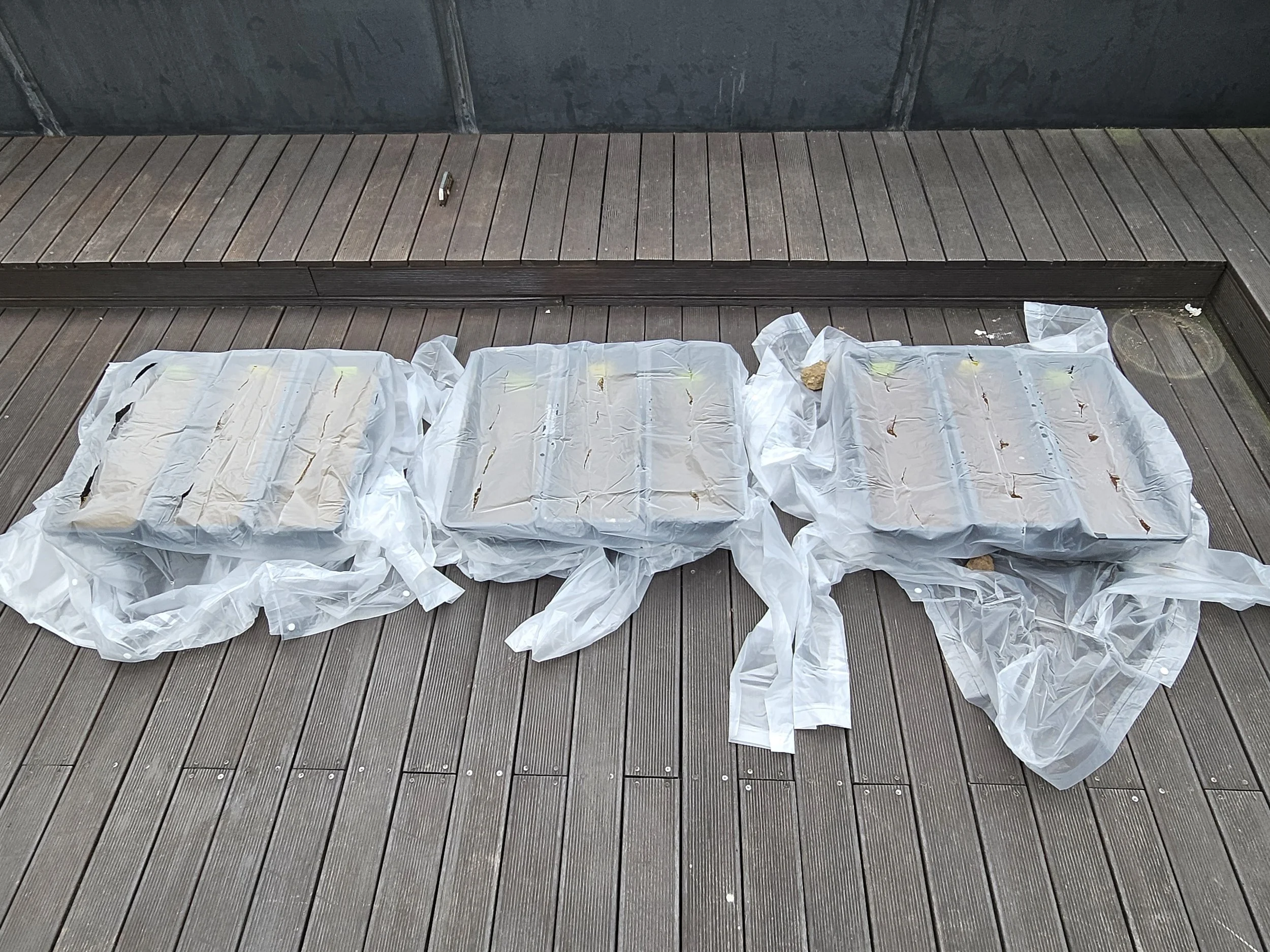
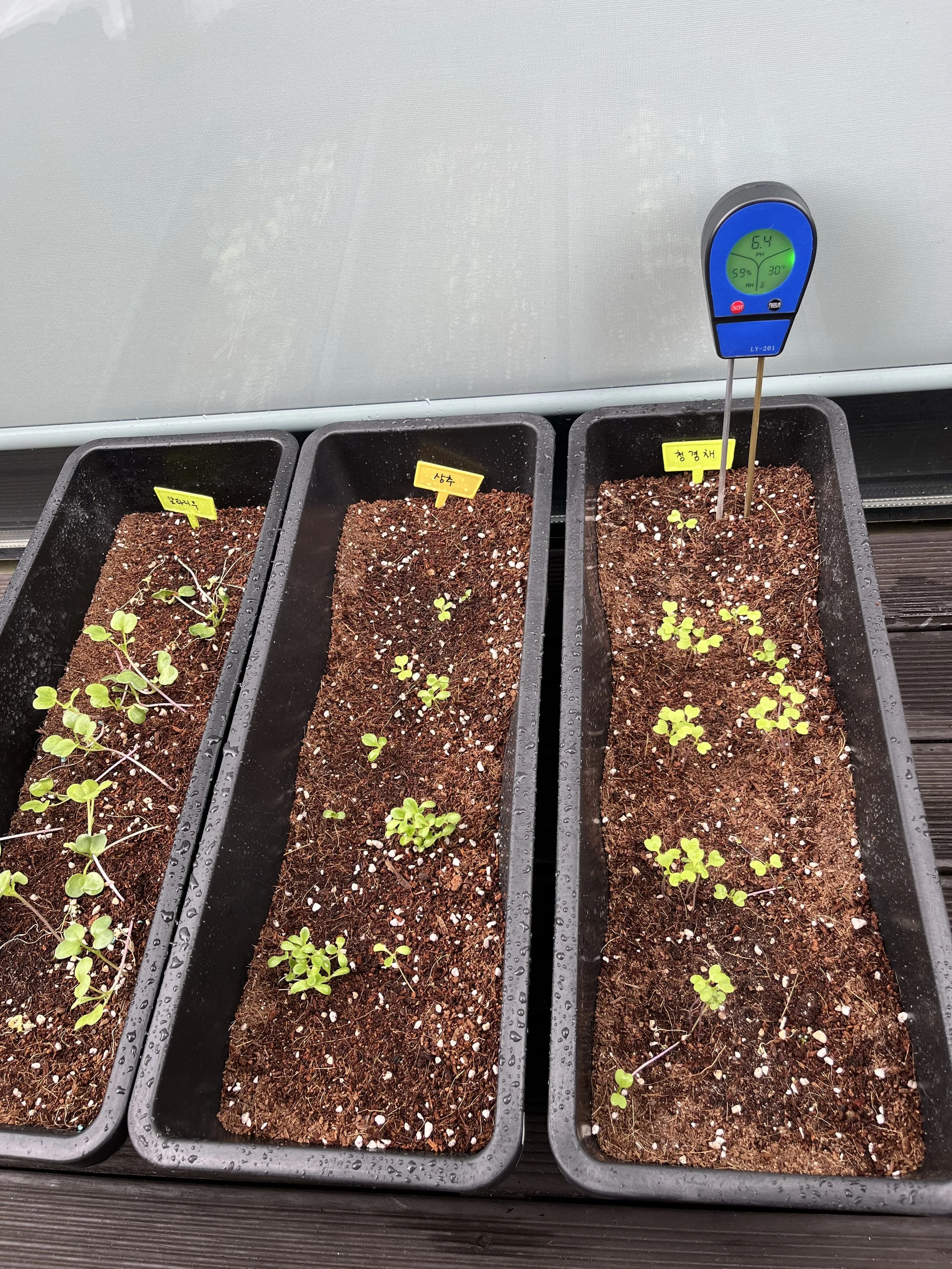
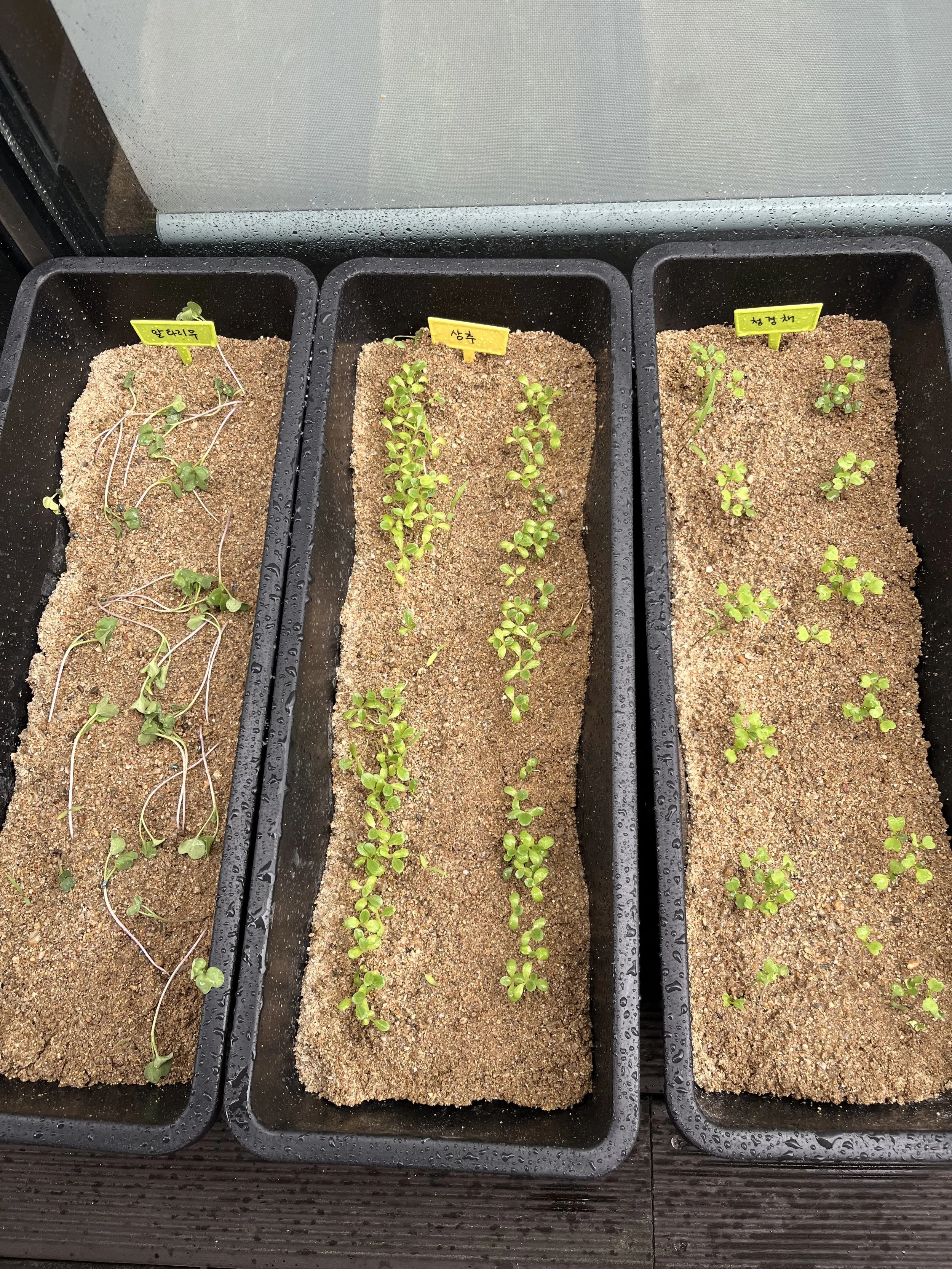
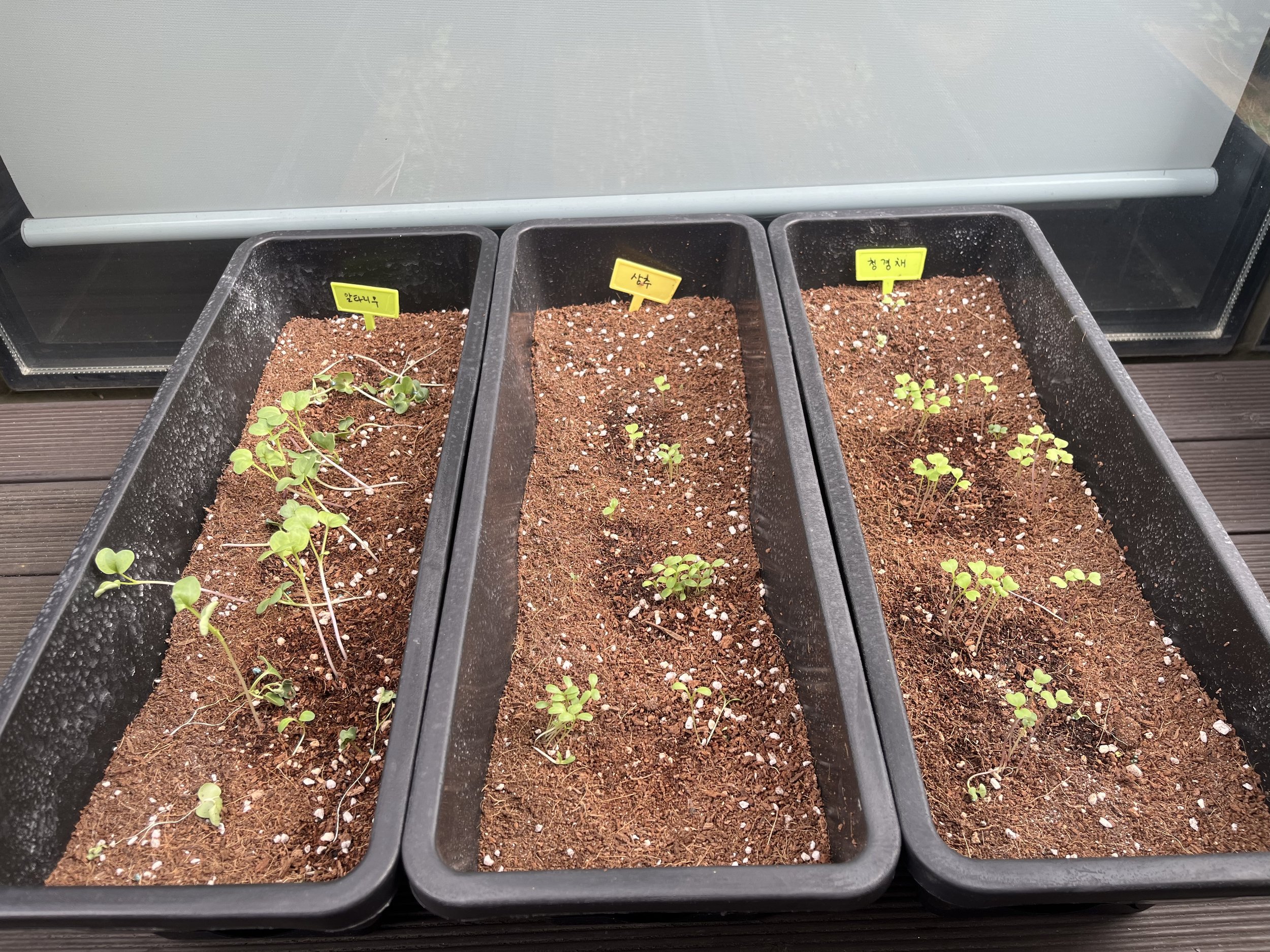
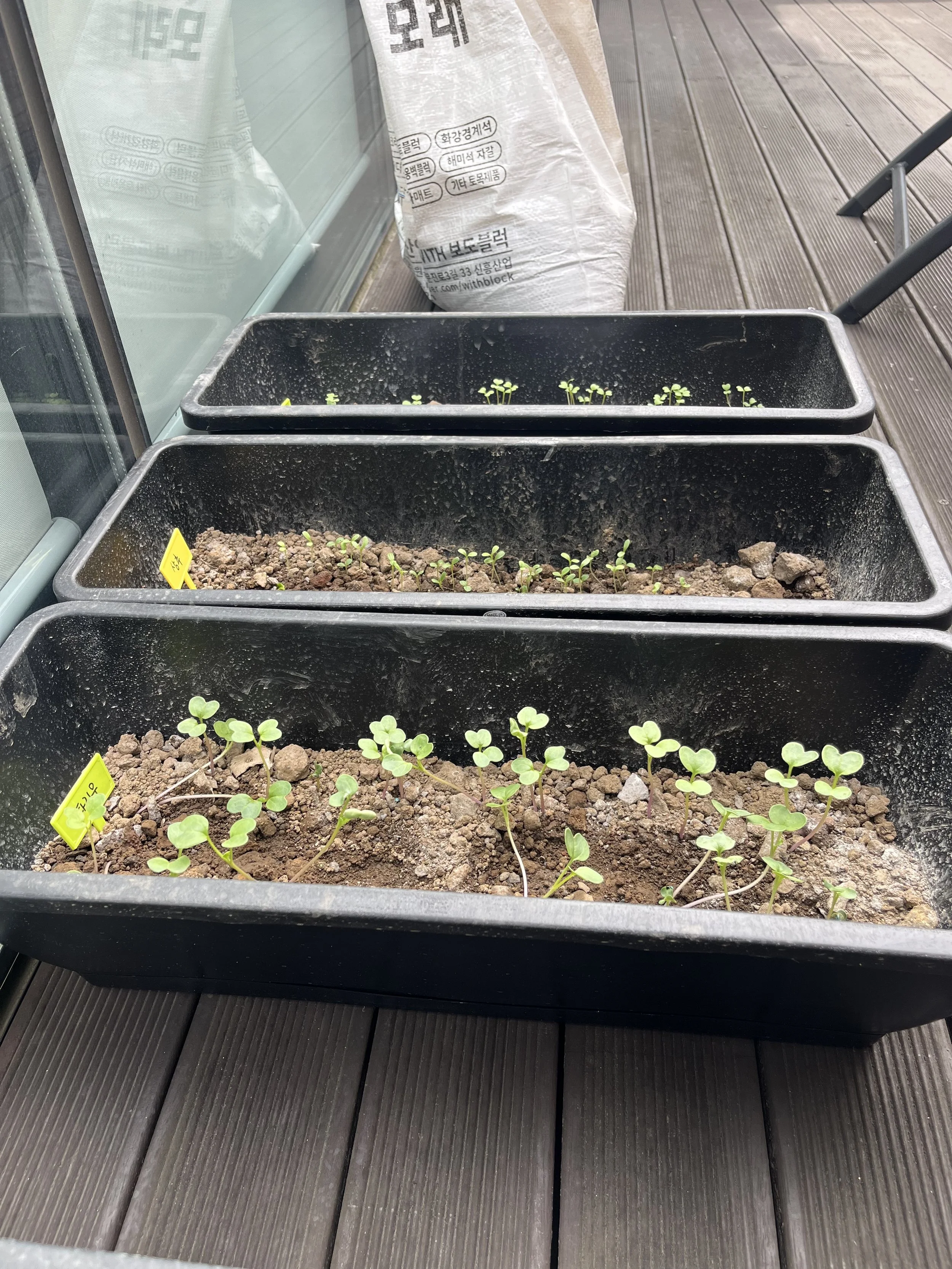
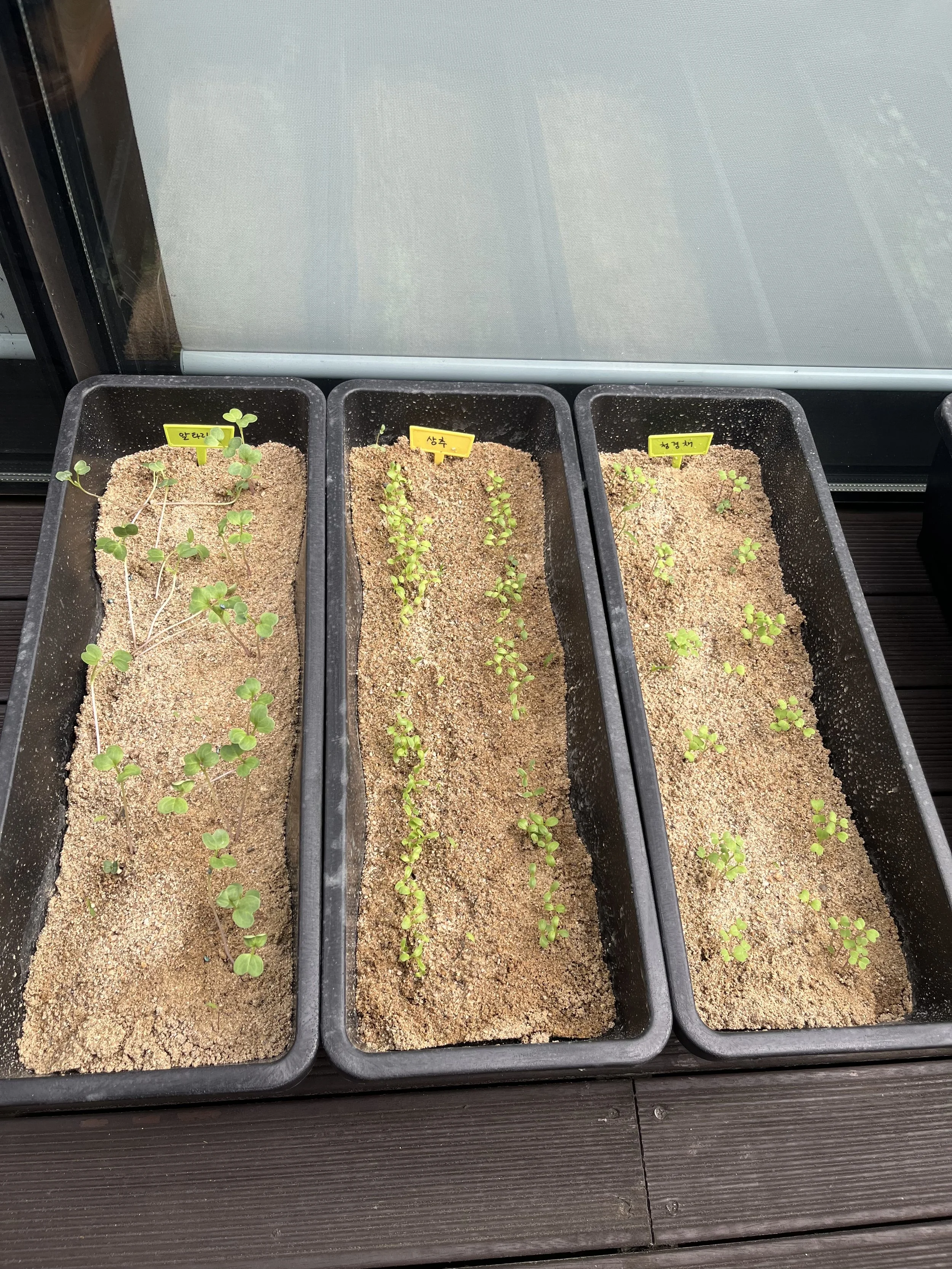
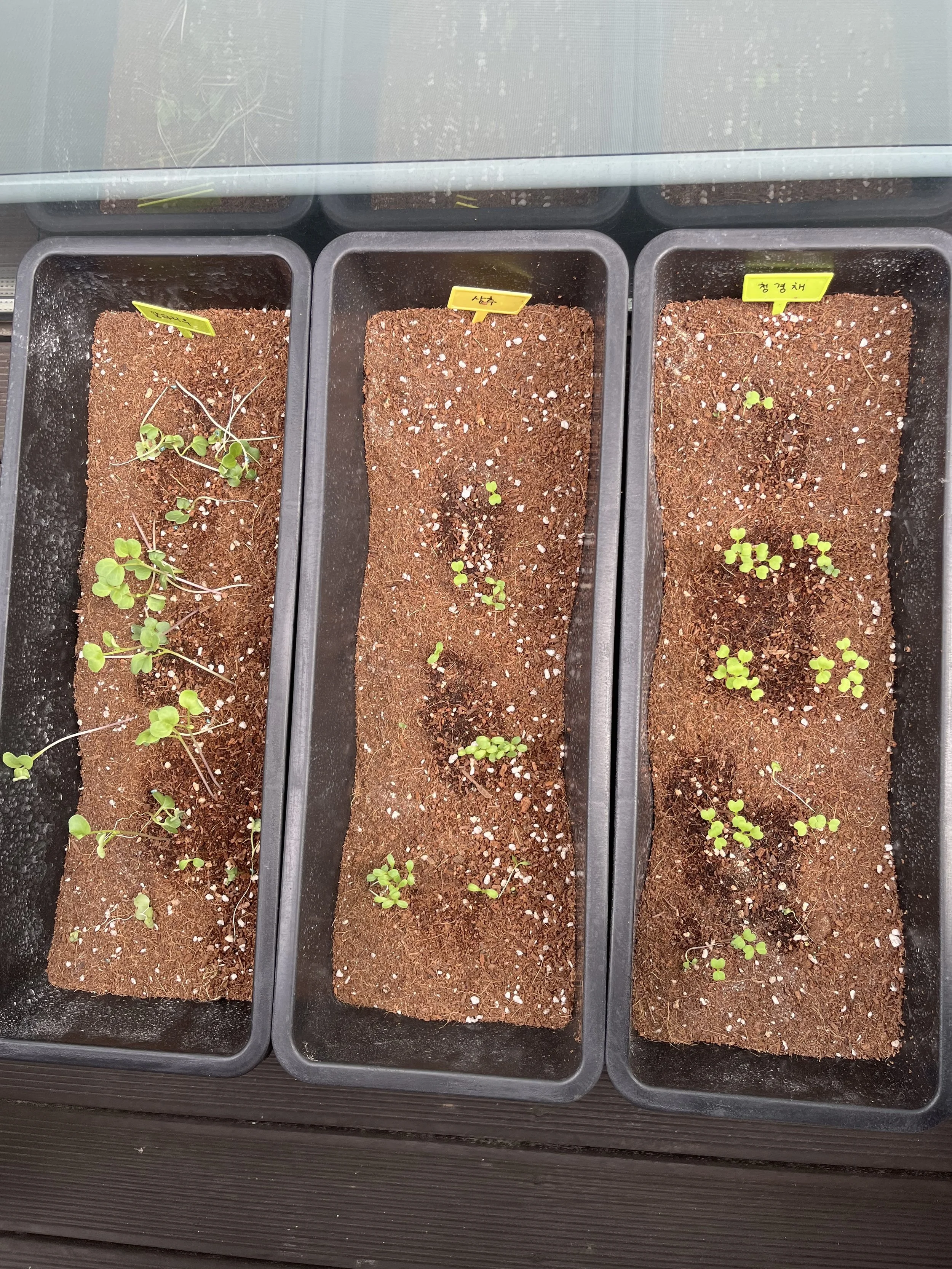
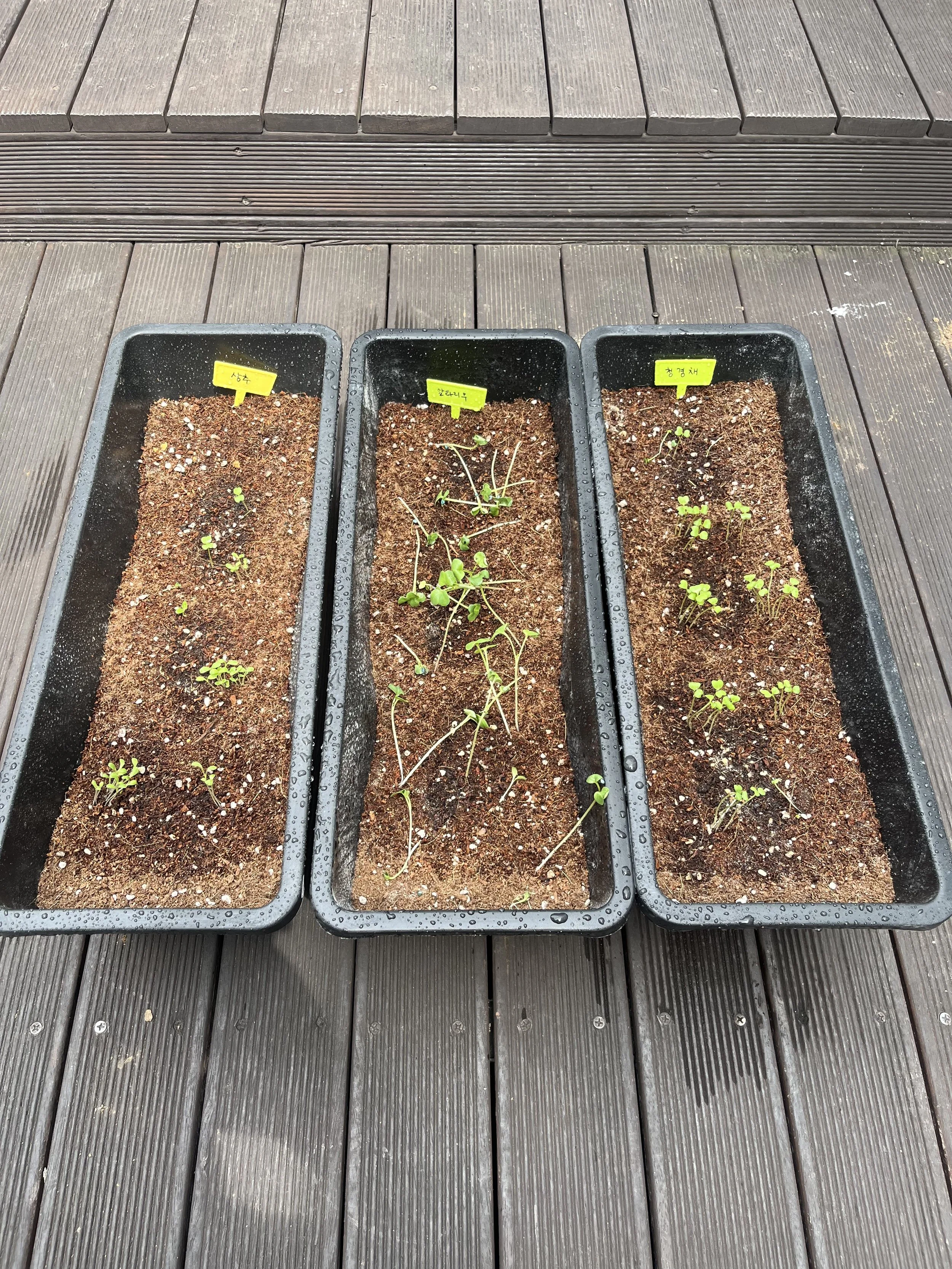
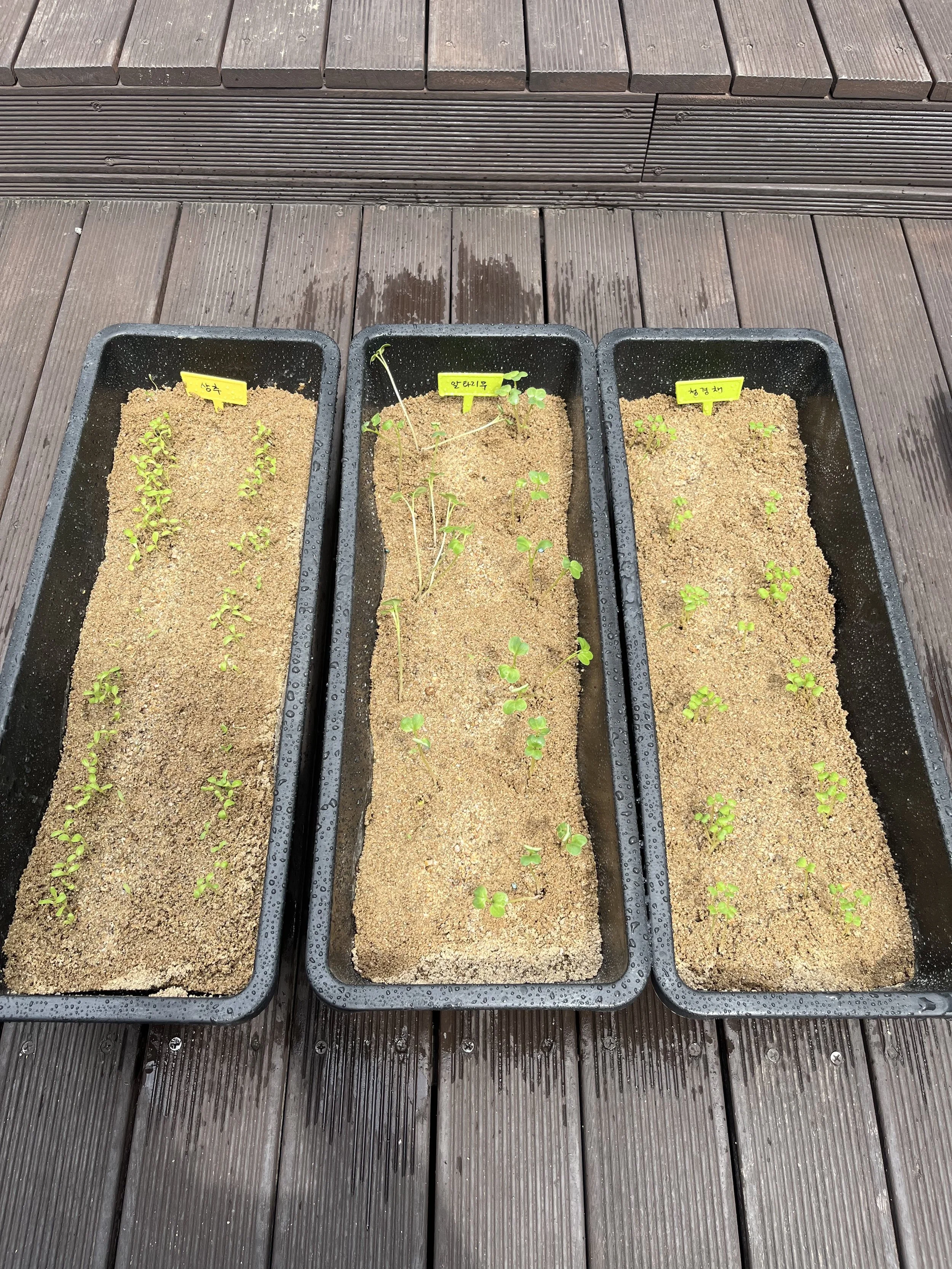
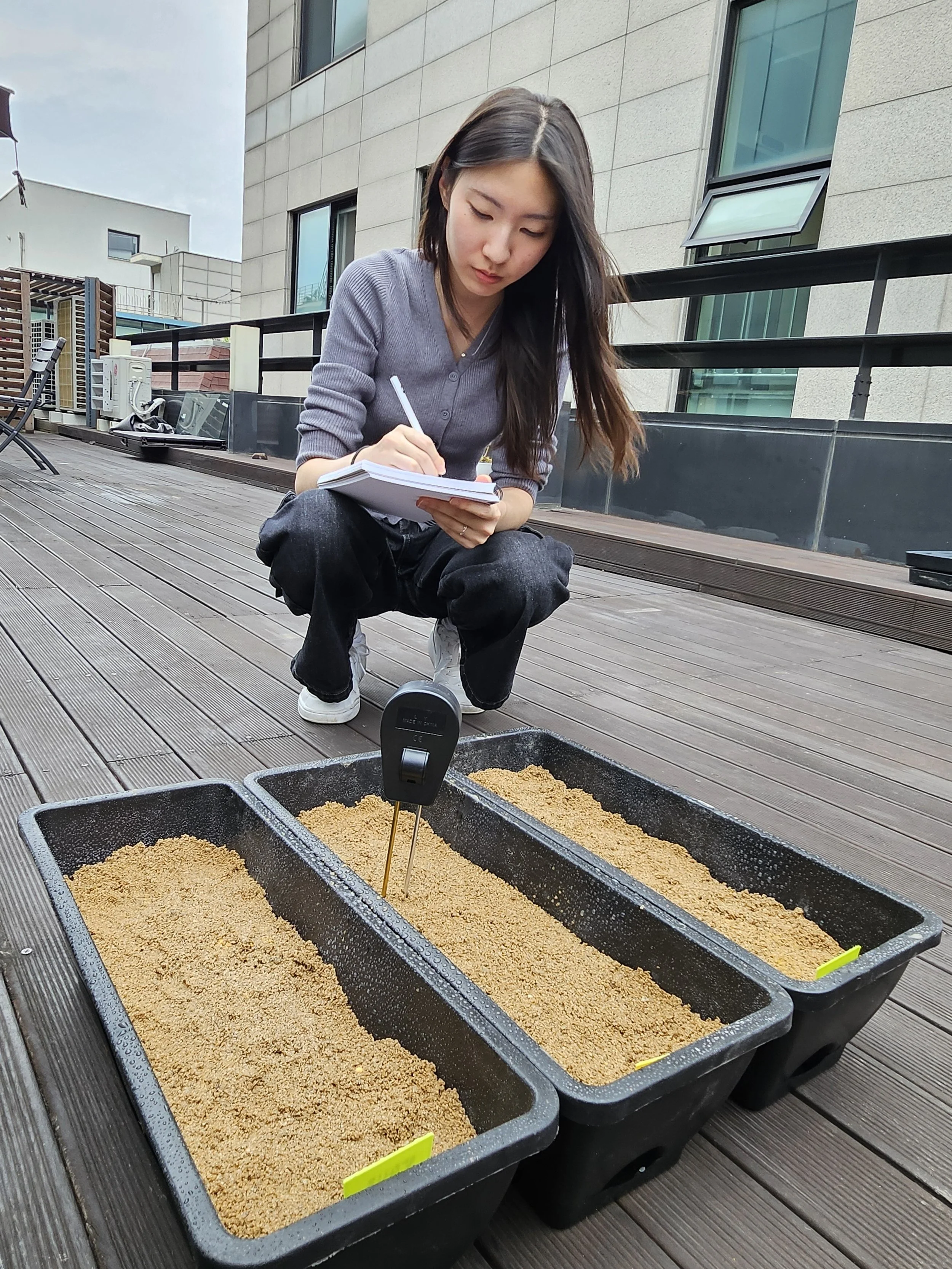
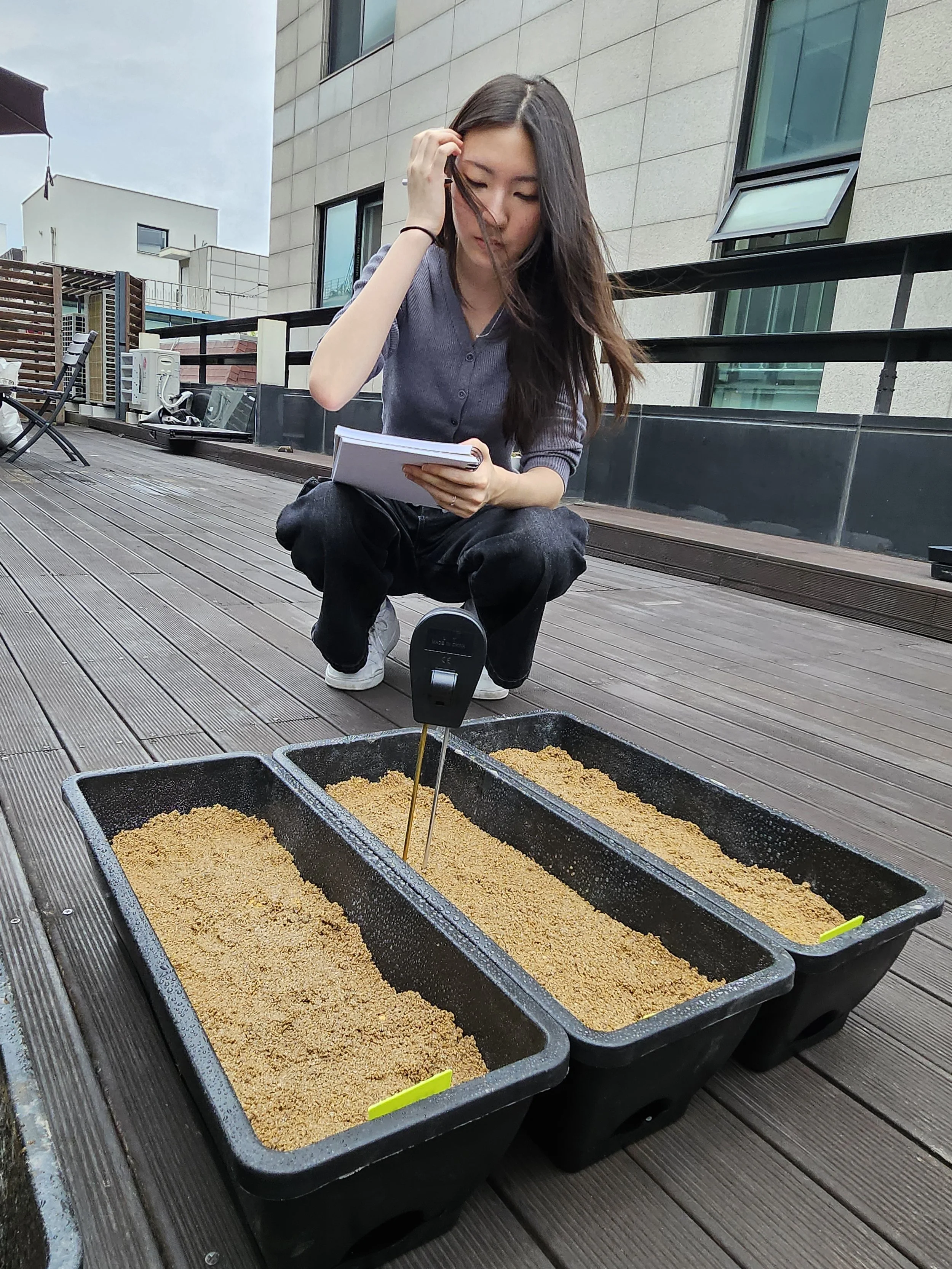
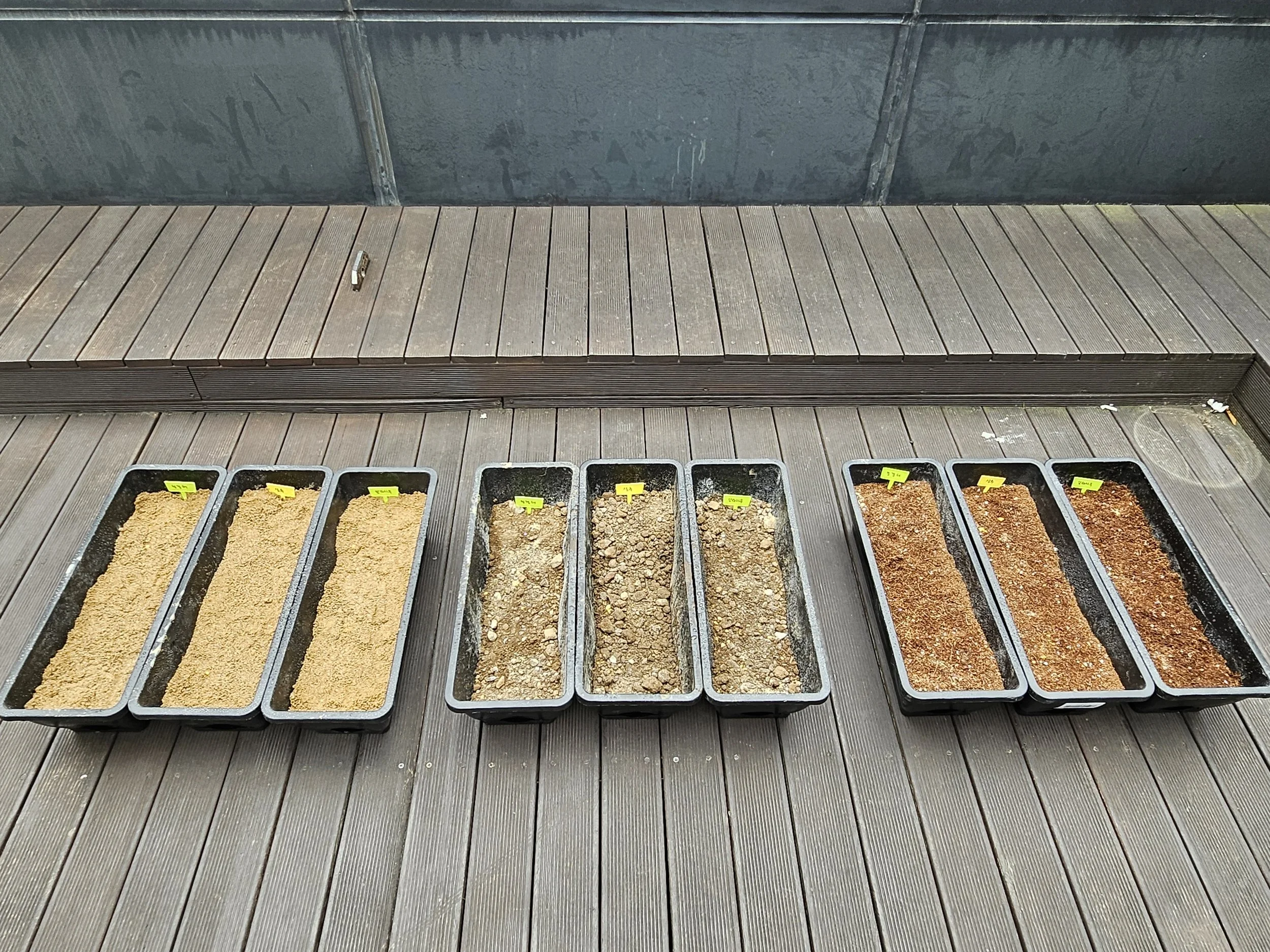
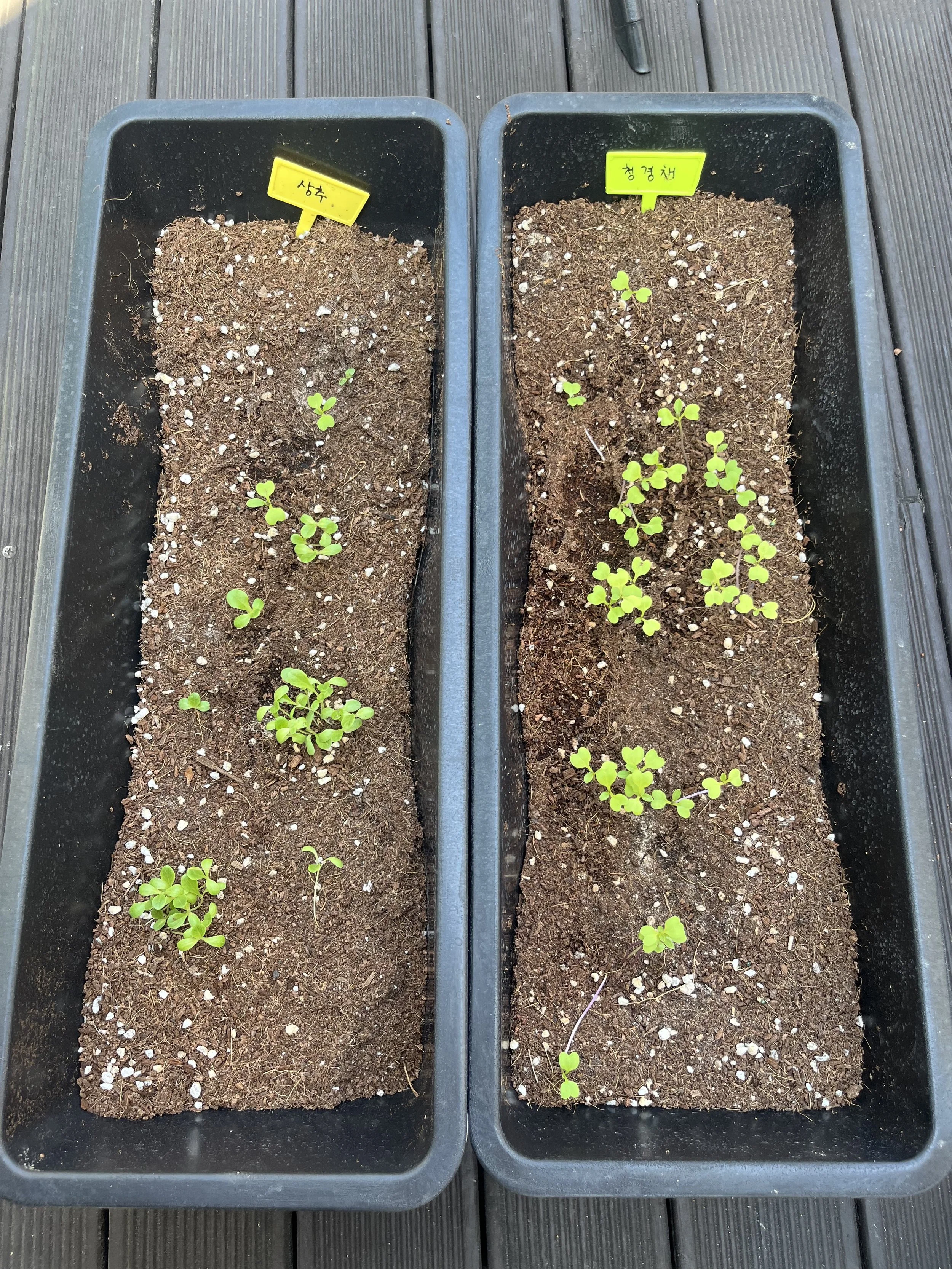
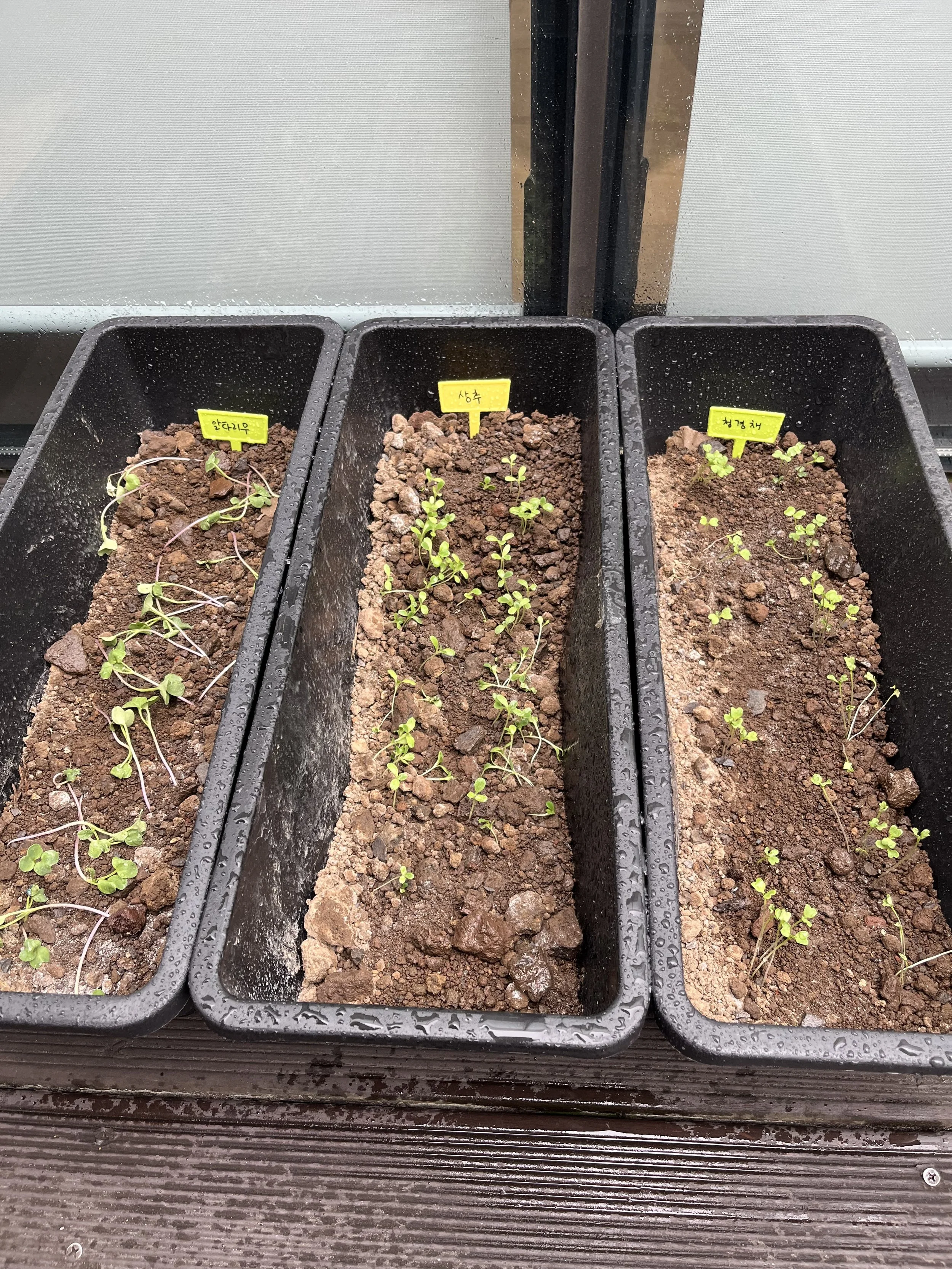
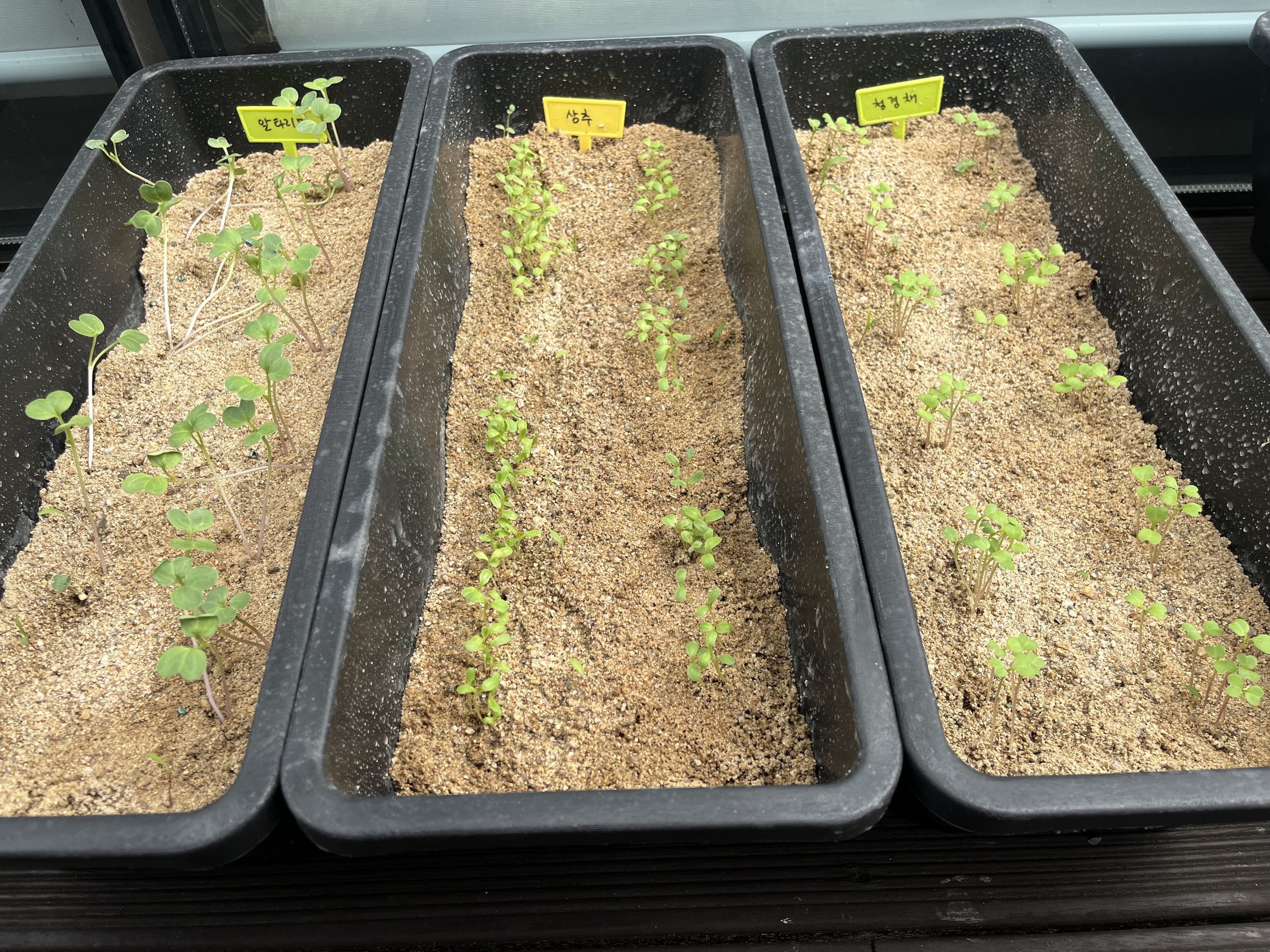
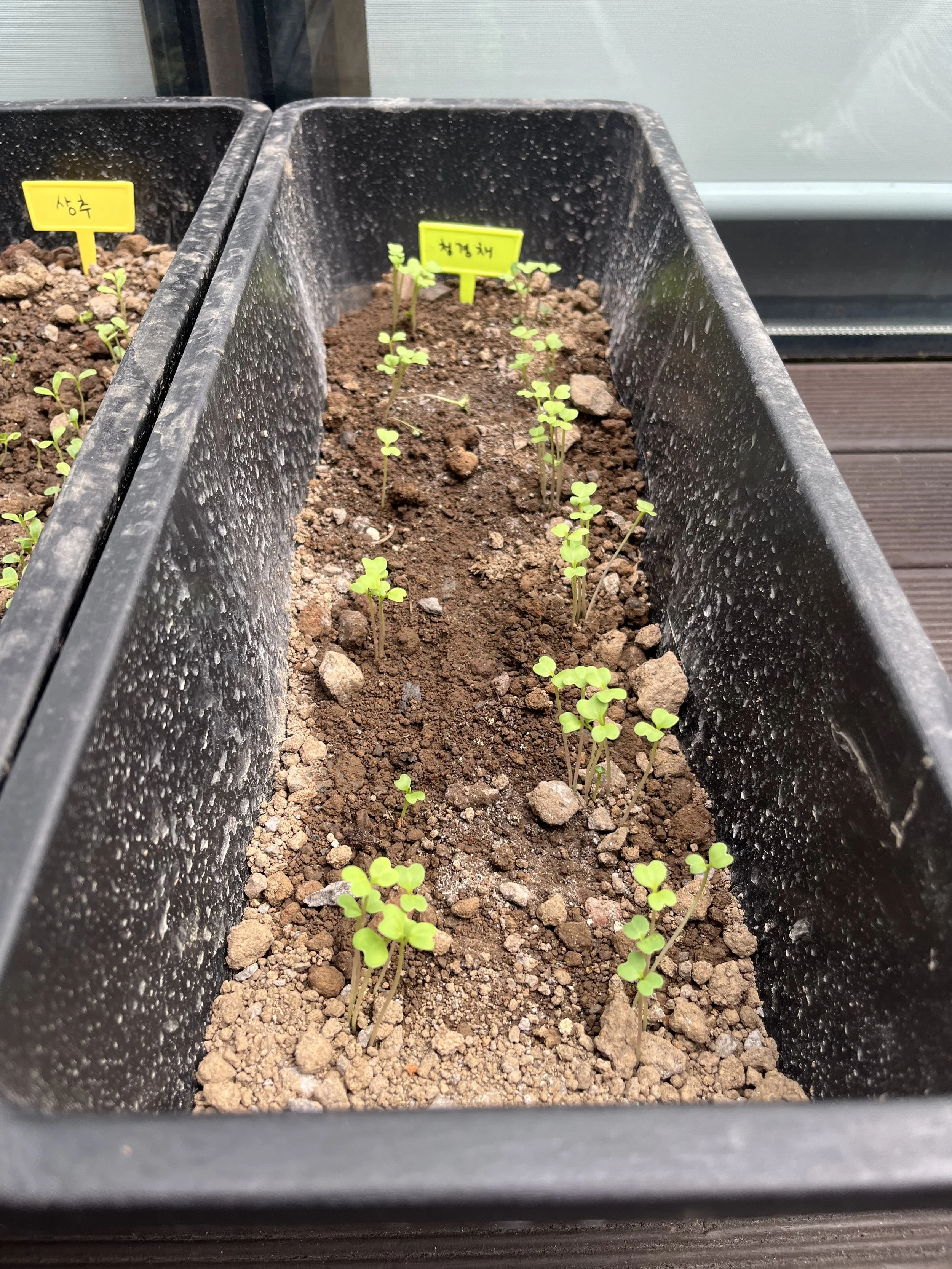
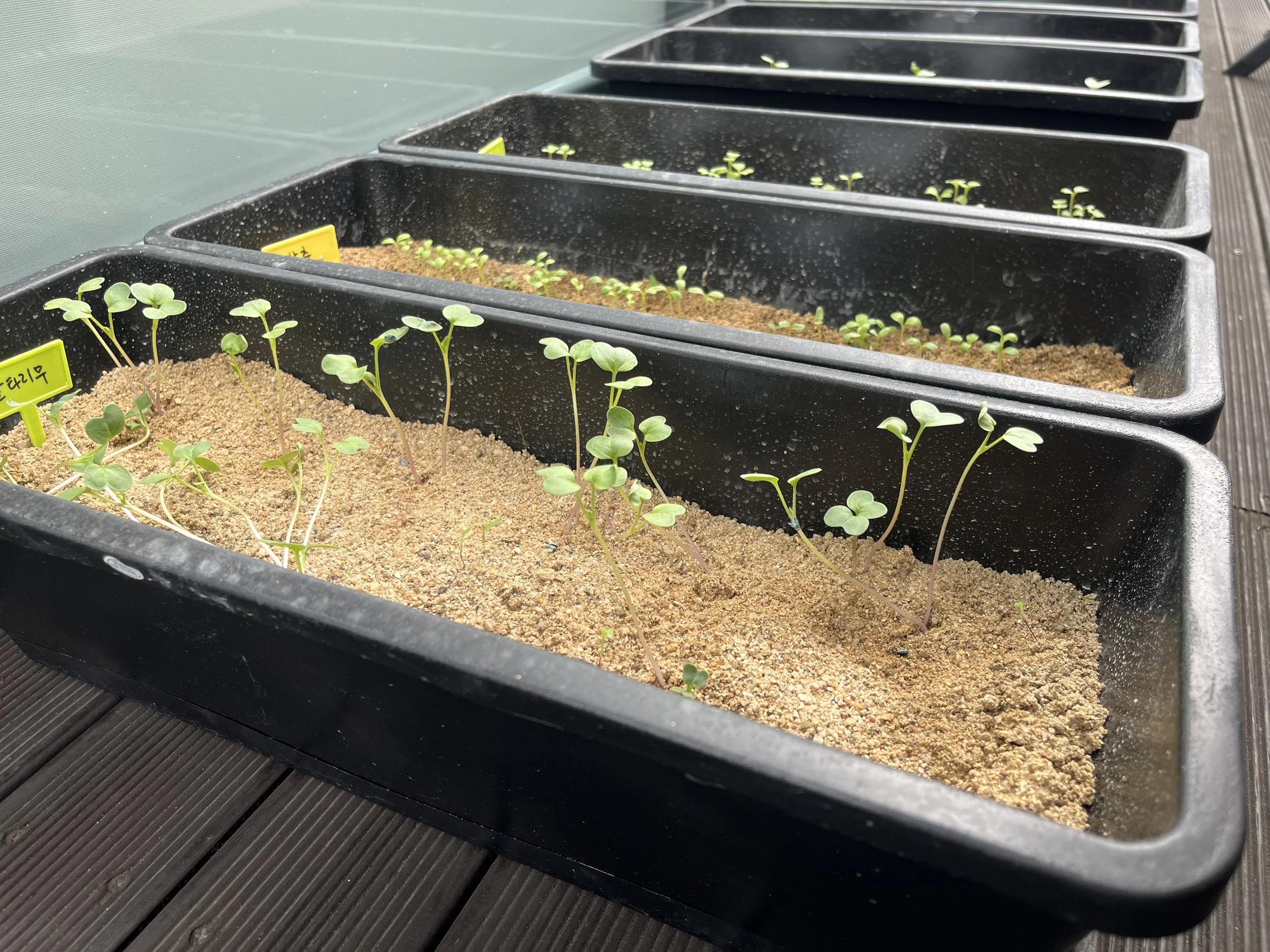
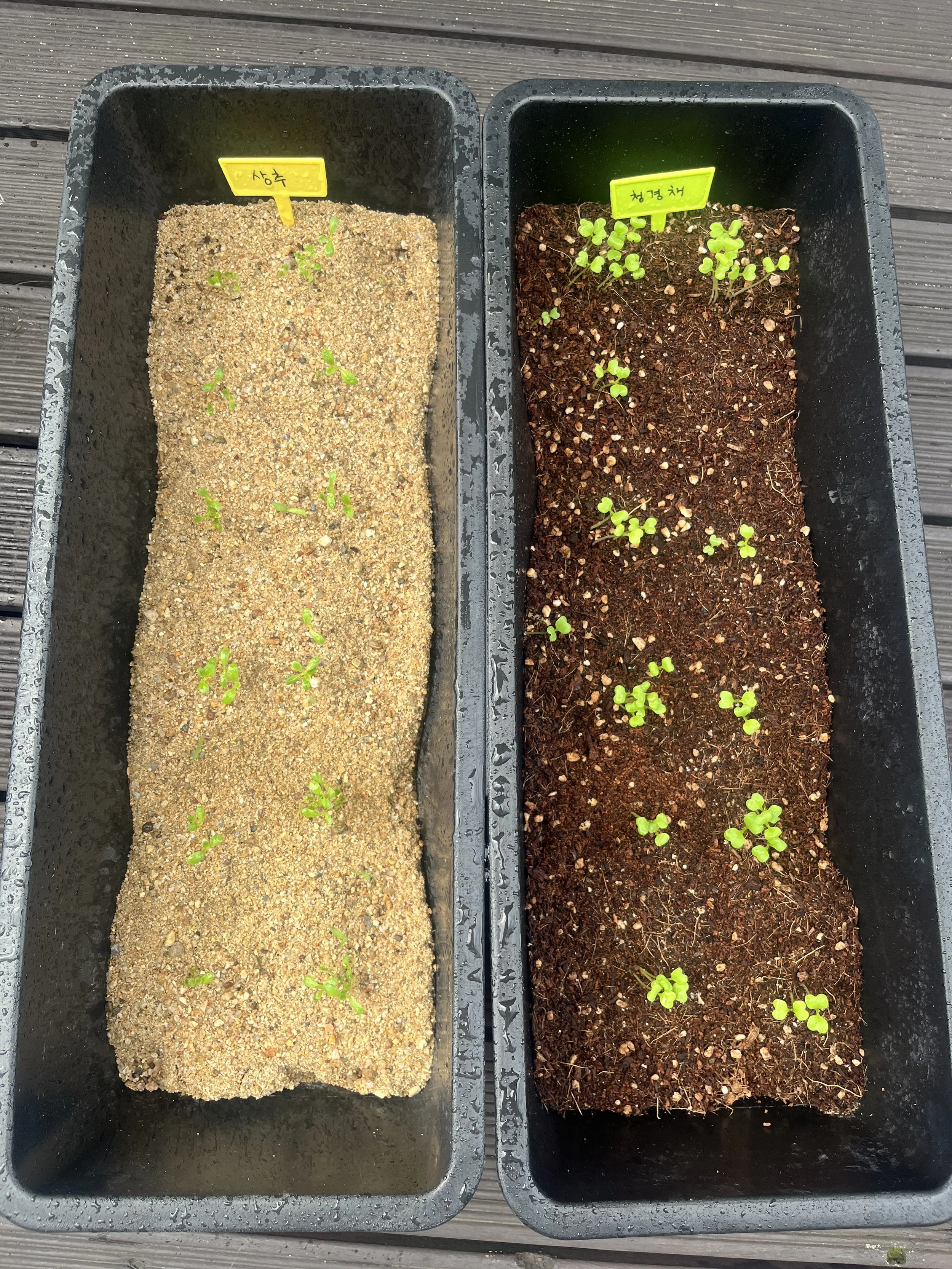
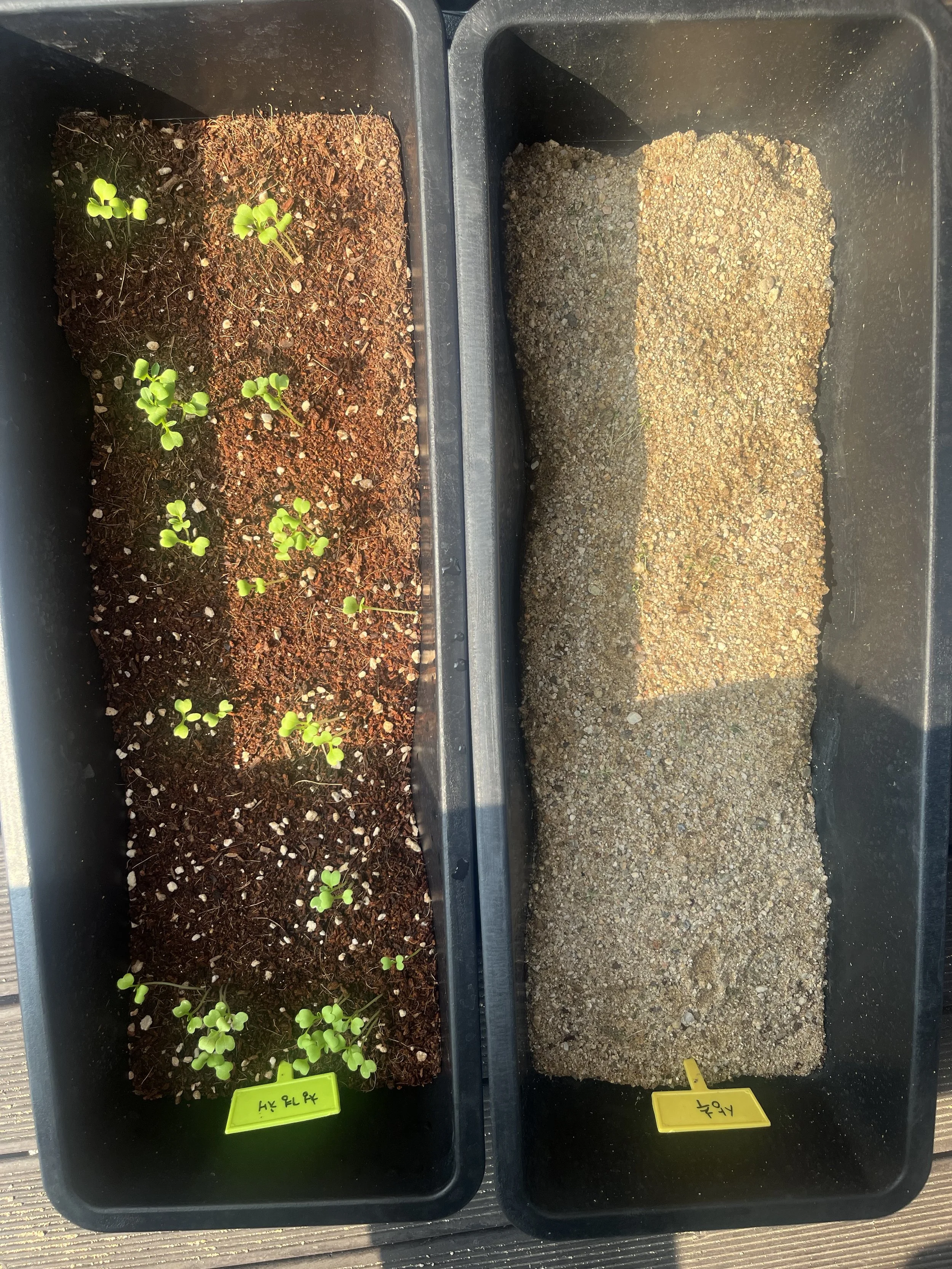
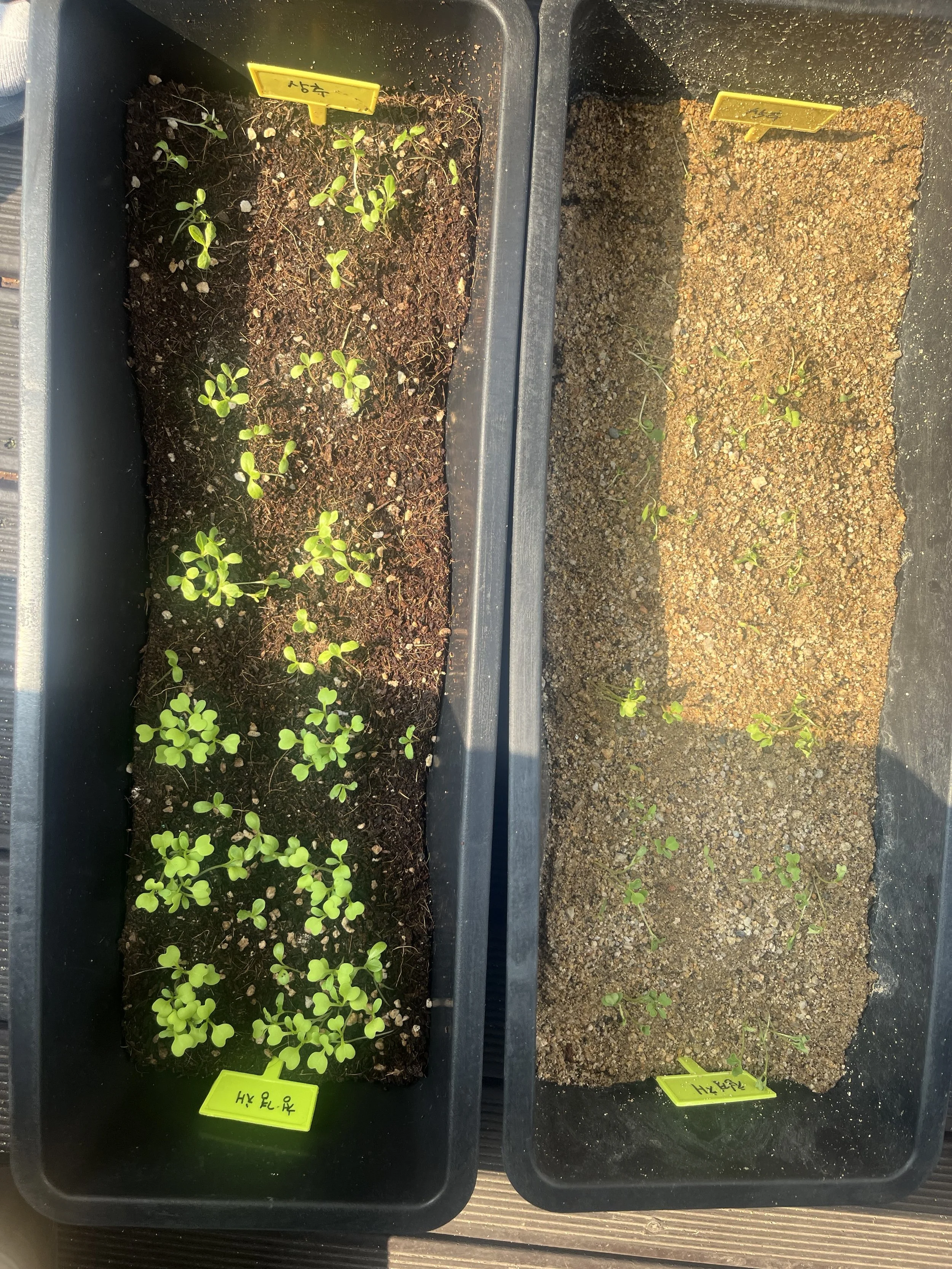
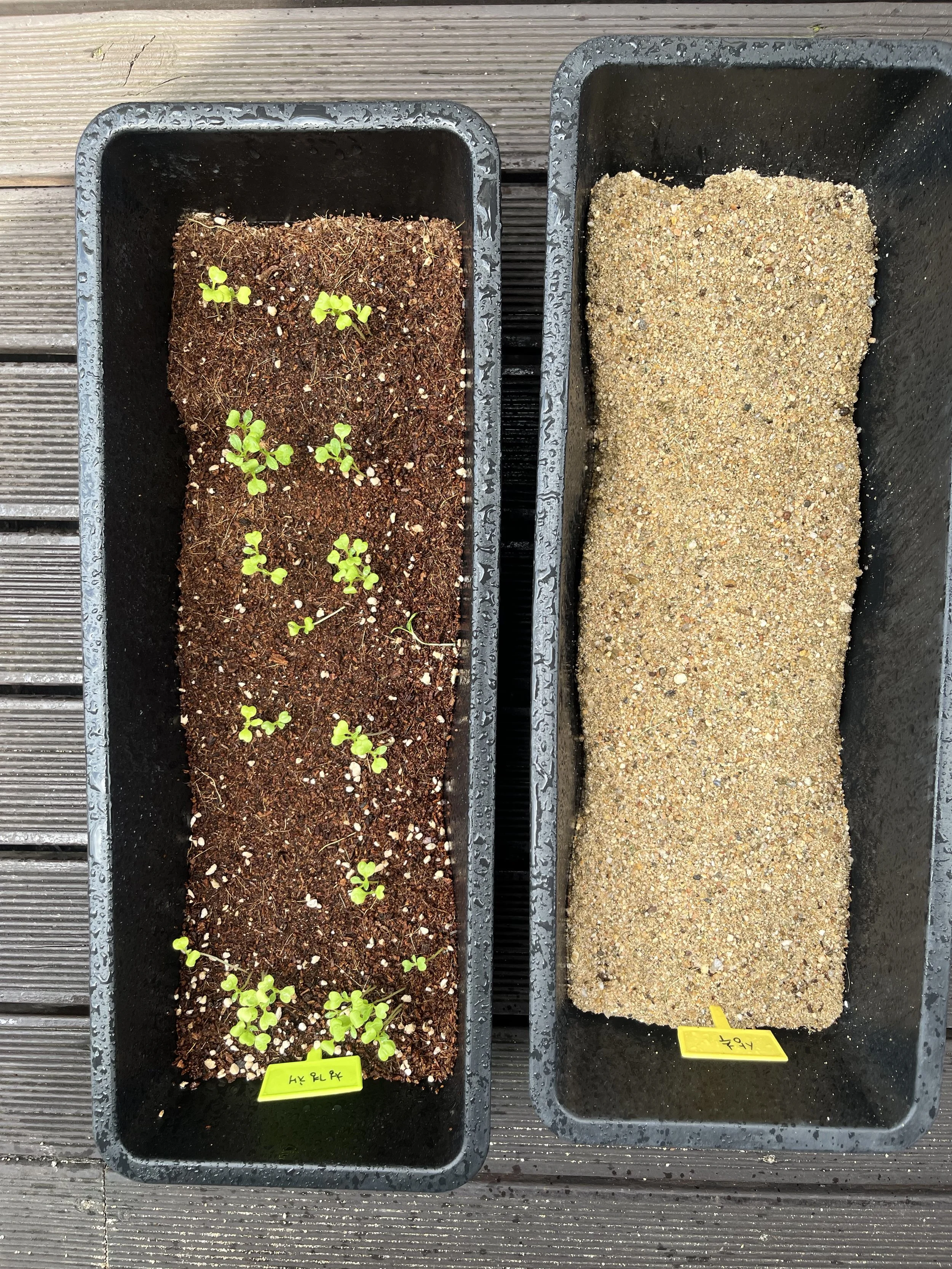
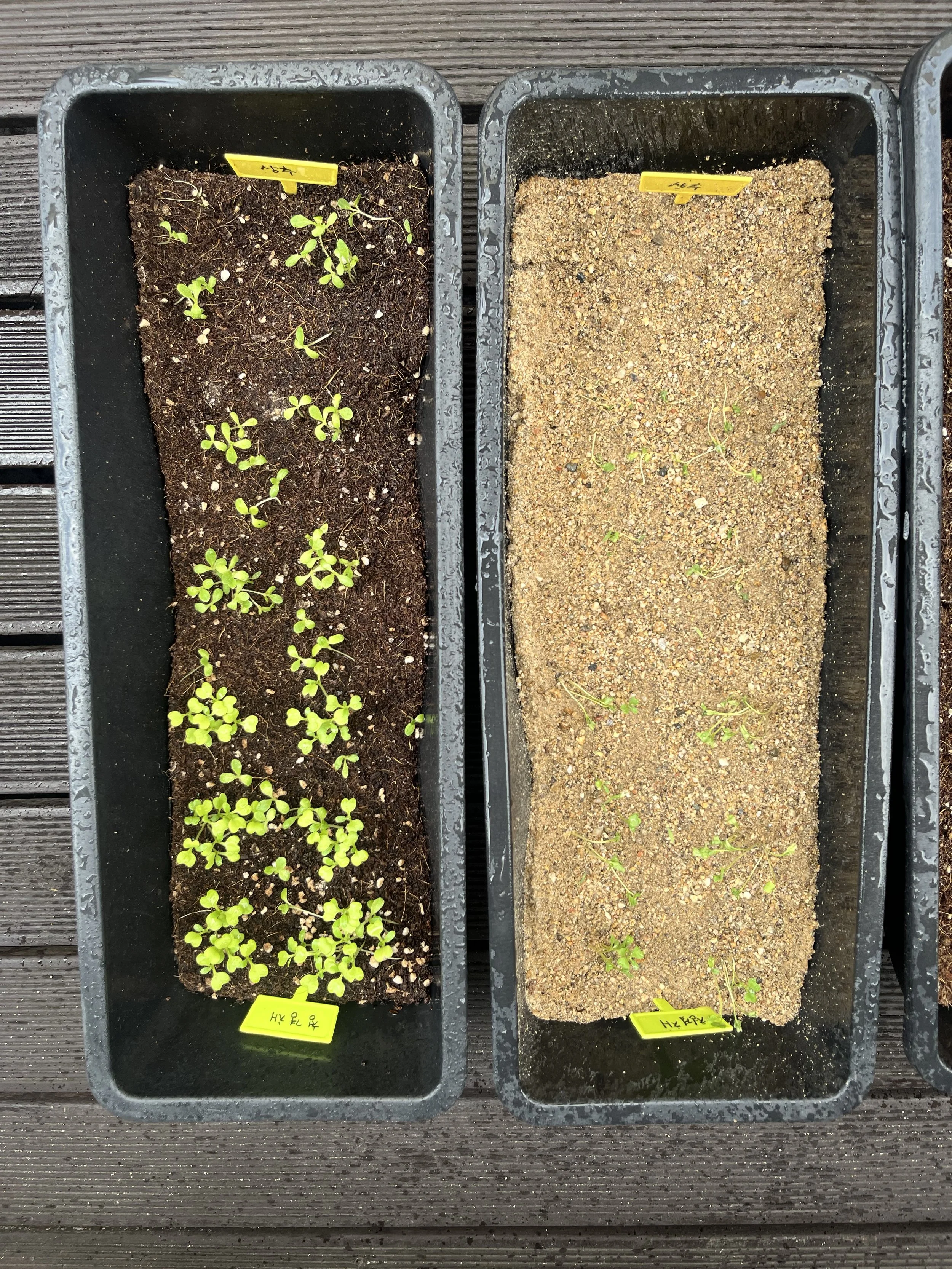
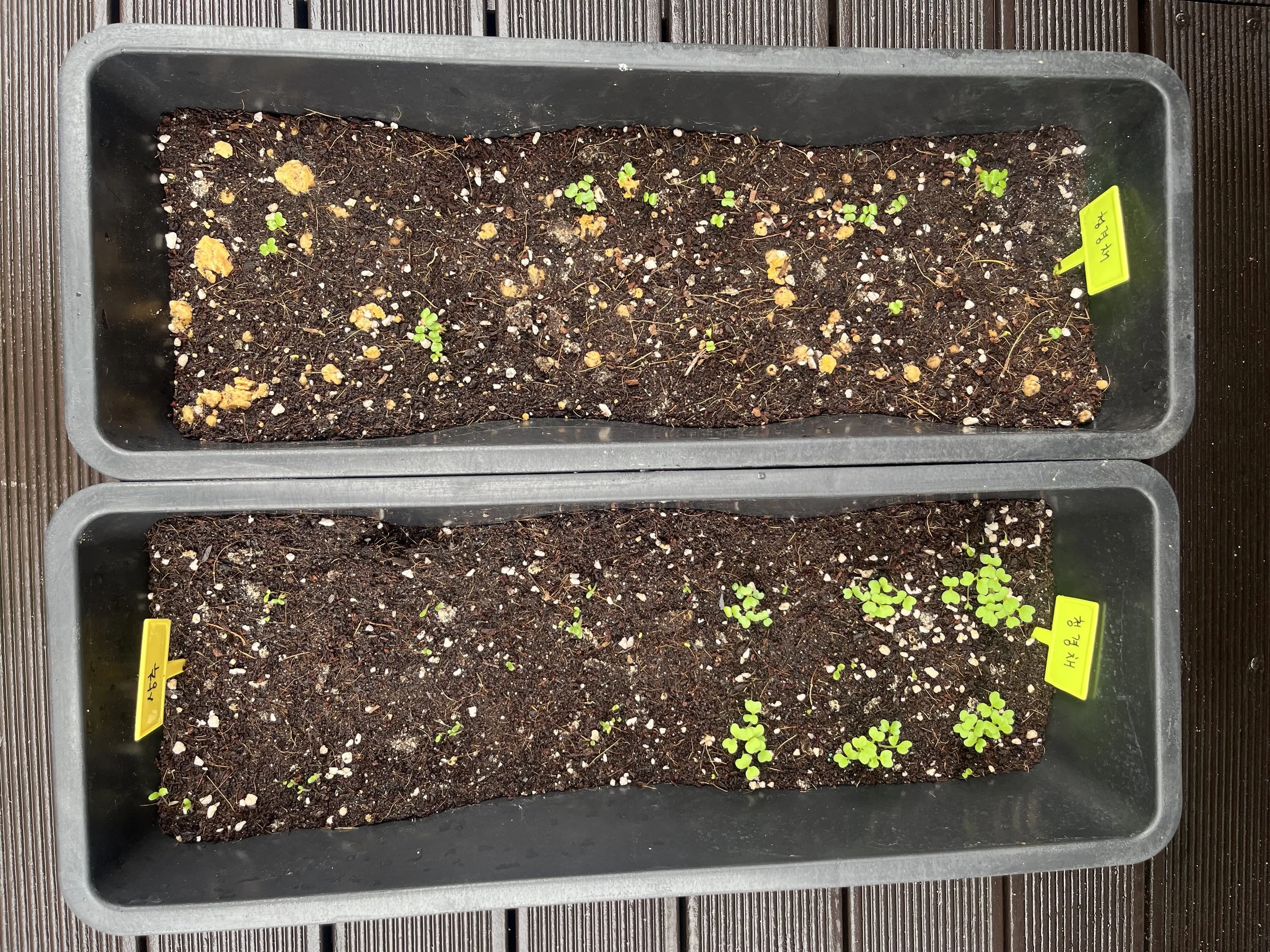
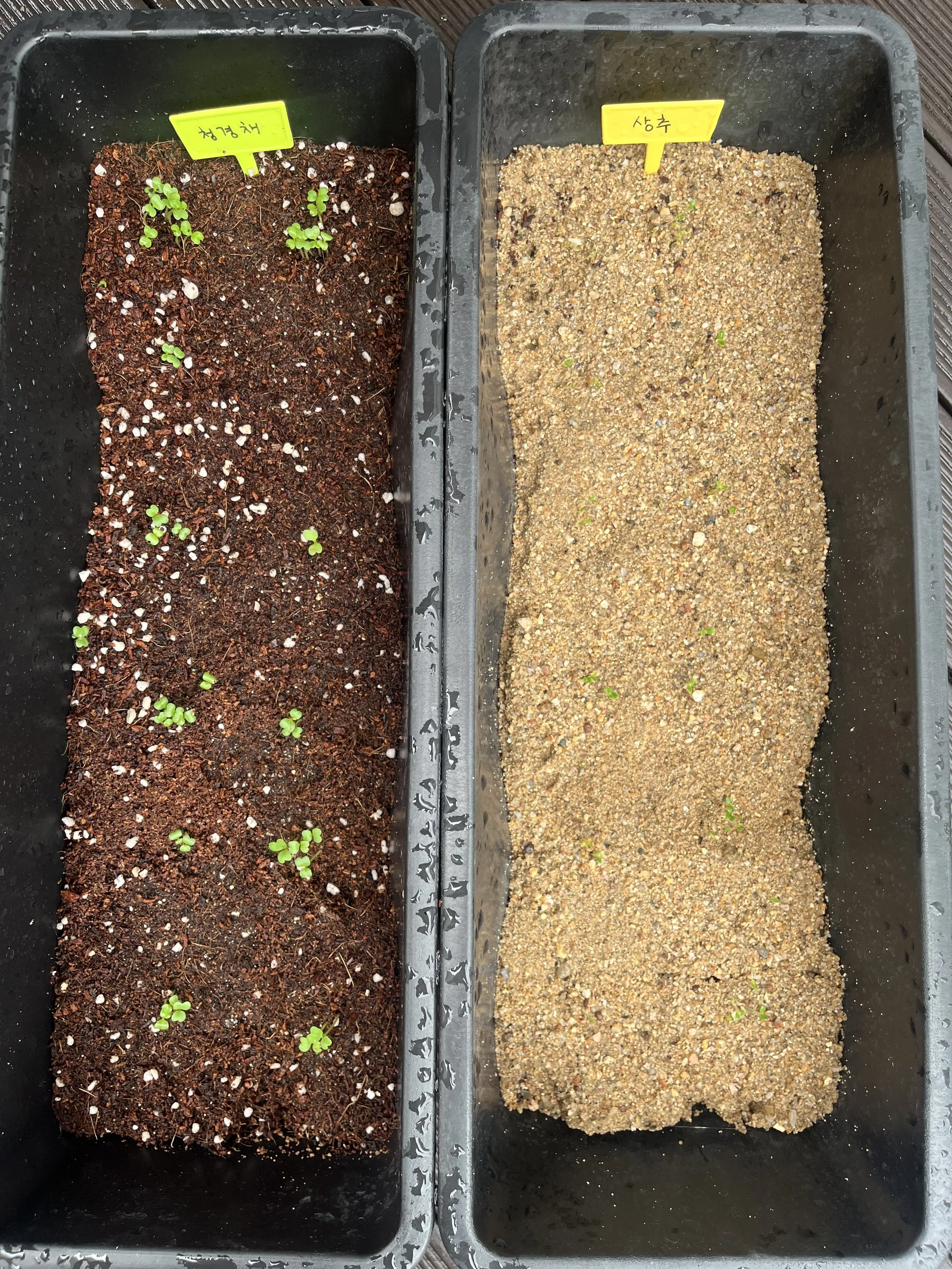
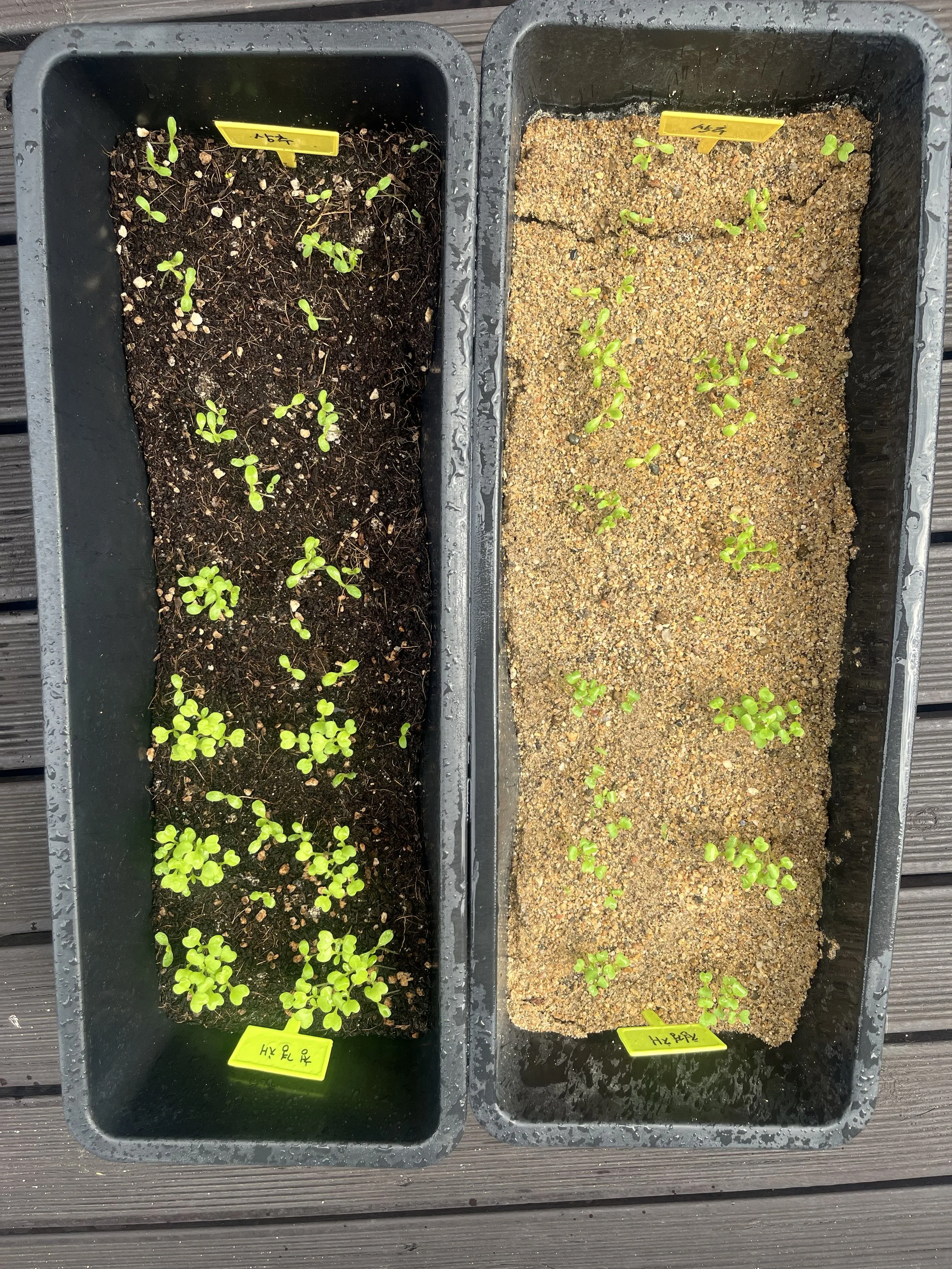
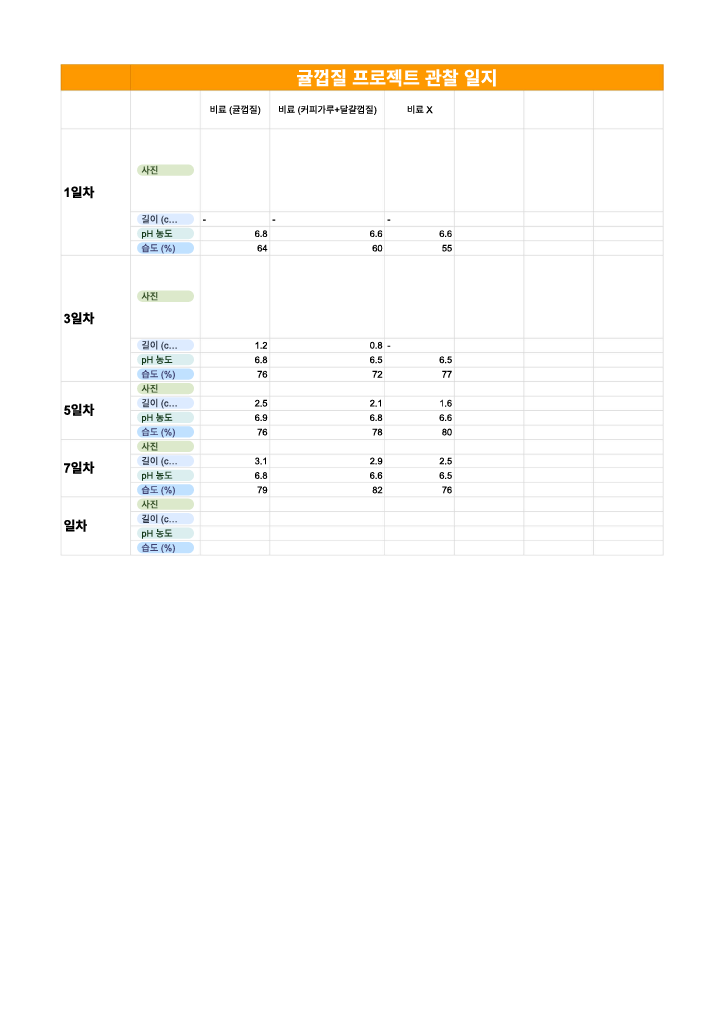
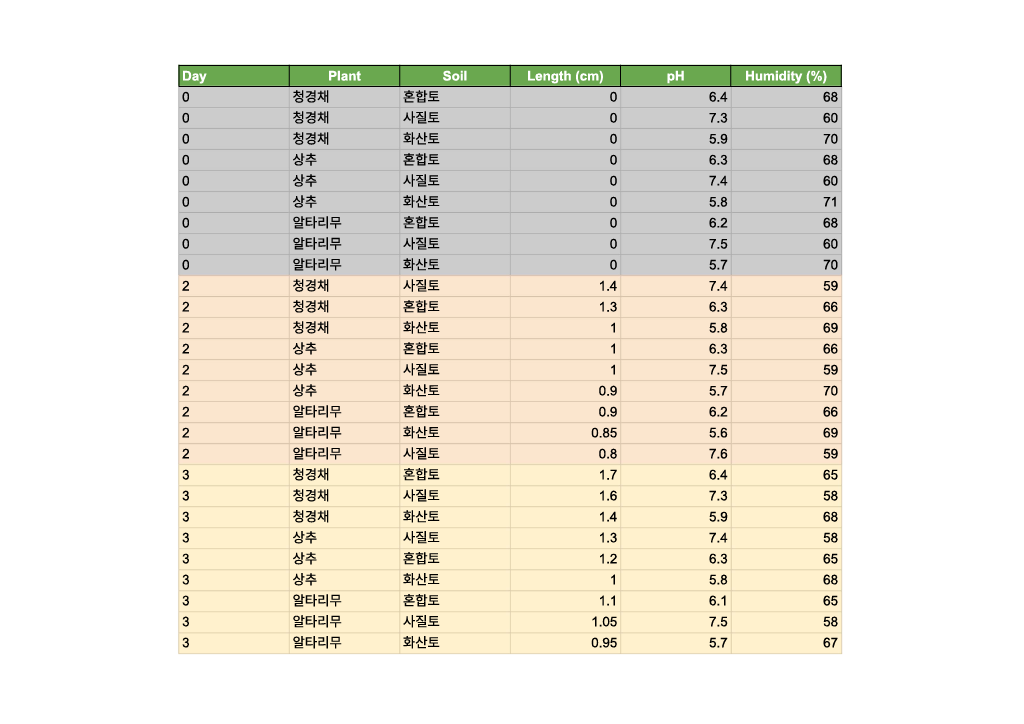
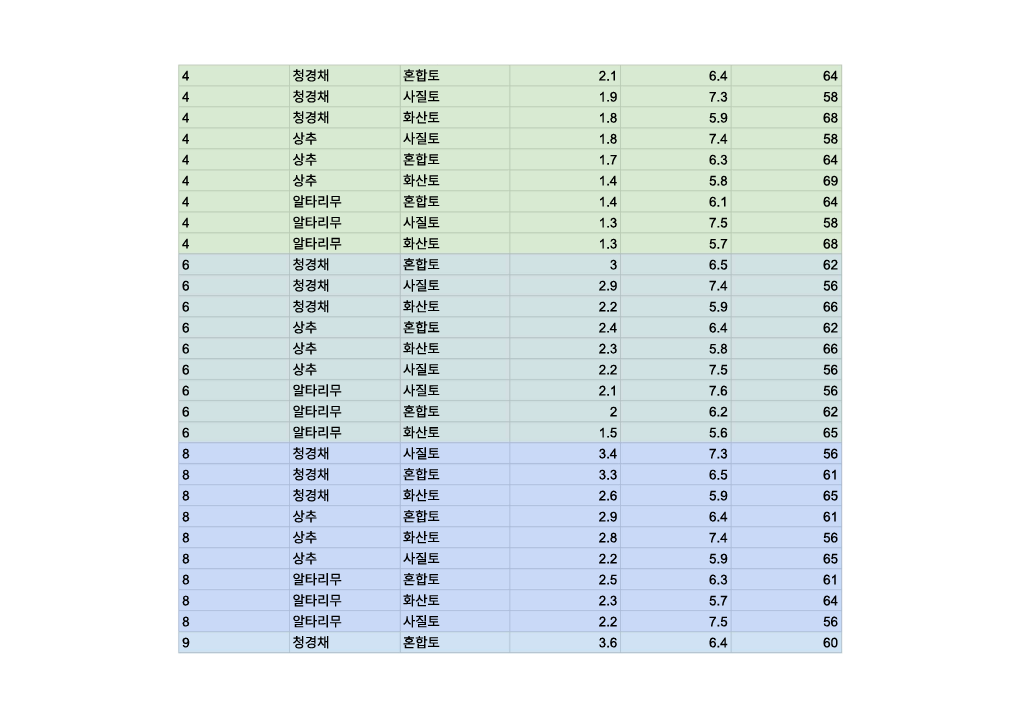
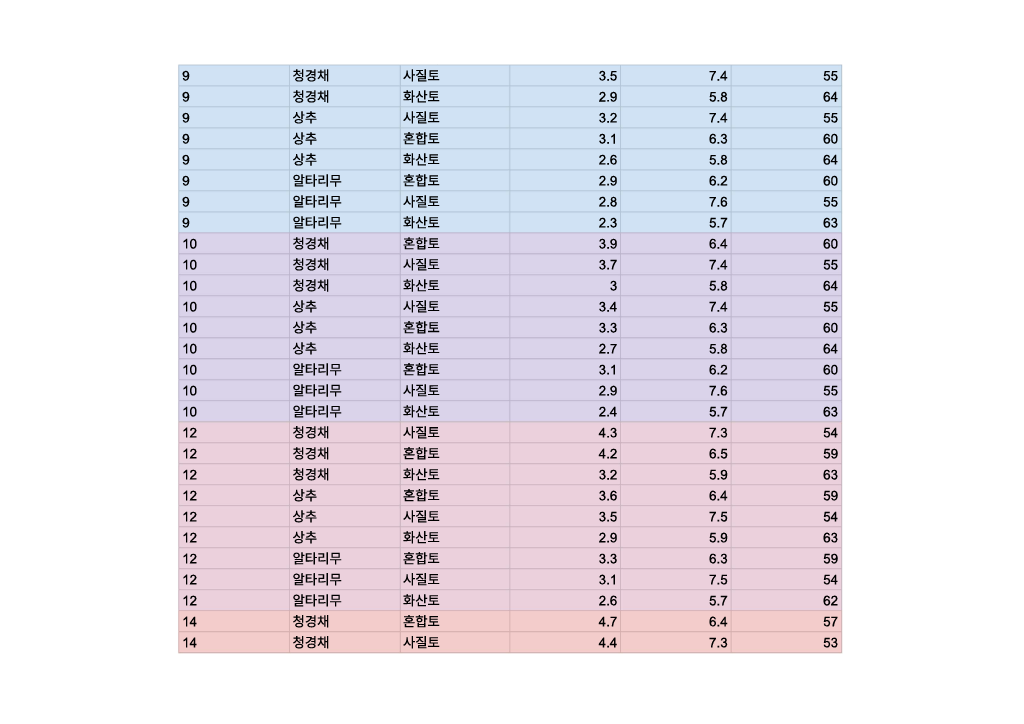
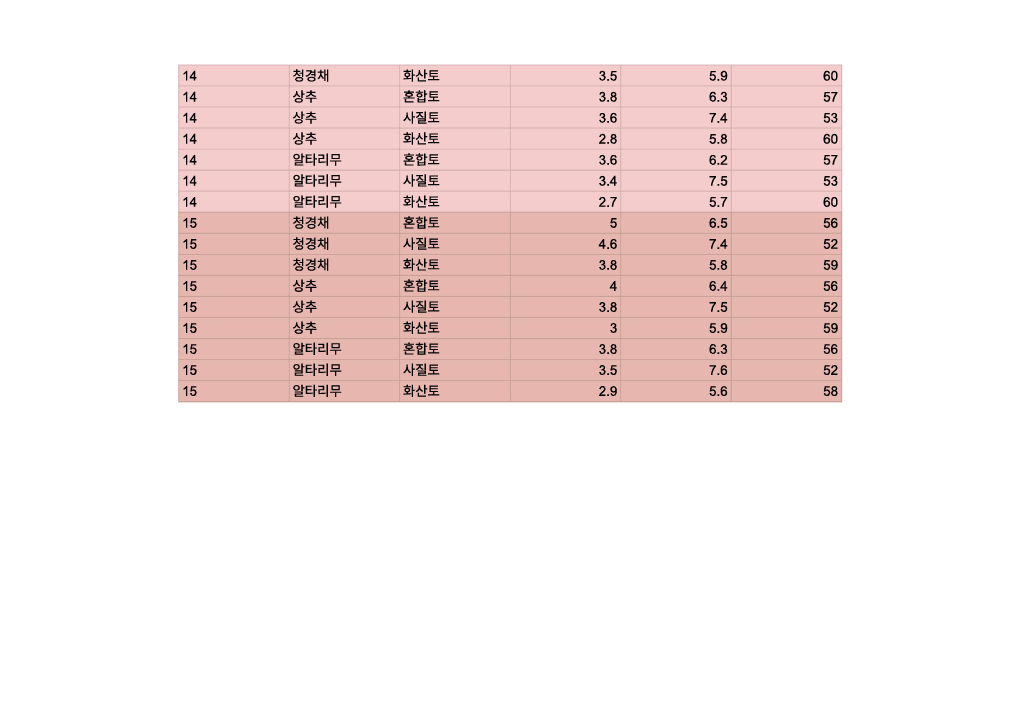
Through rigorous plant growth experiments and soil analysis, our research successfully demonstrated that mandarin peel eco-fertilizer significantly improves nutrient retention and supports steady, healthy plant development without the toxic side effects of synthetic chemicals.
Our Approach: Repurposing Citrus Waste
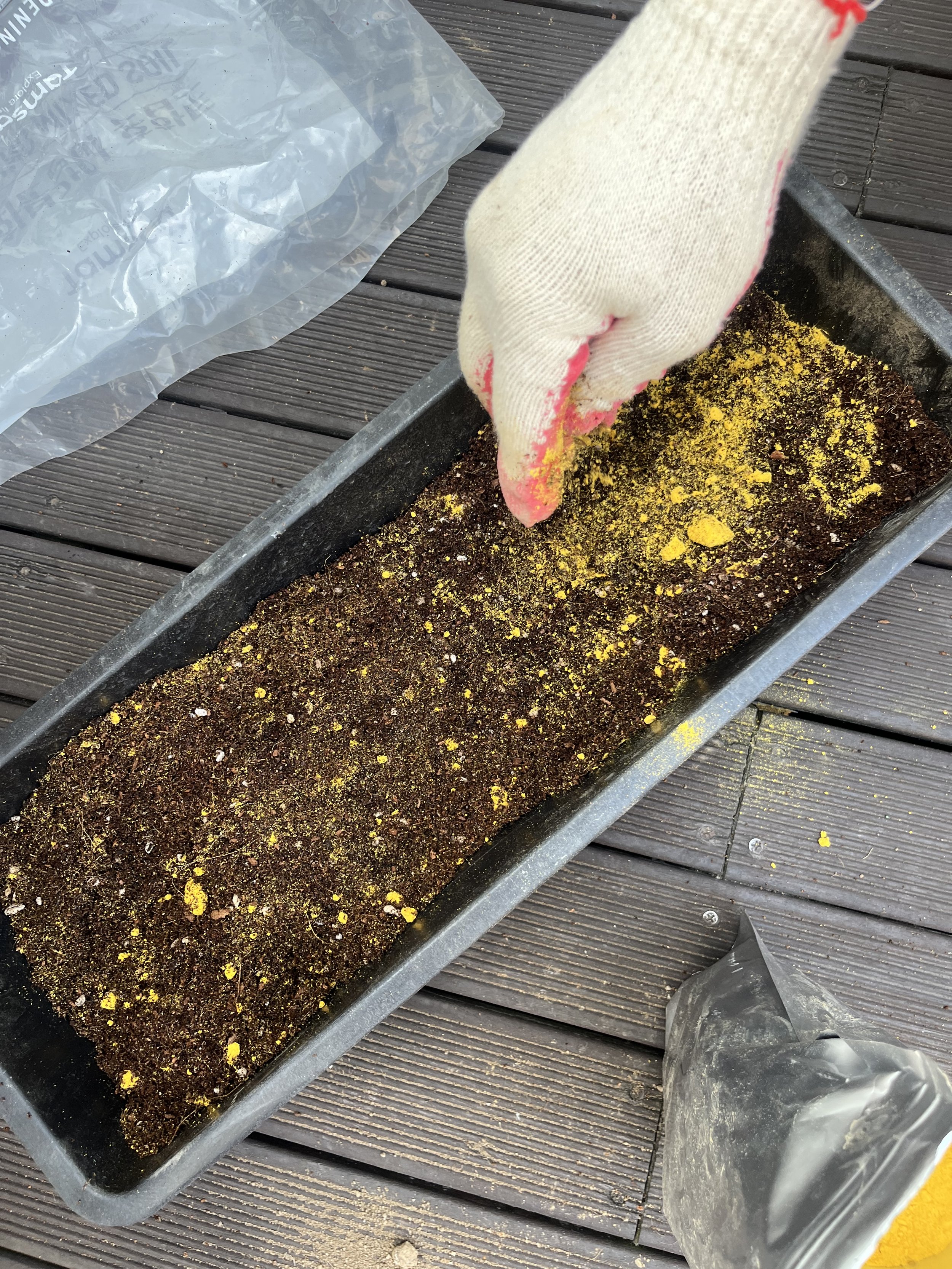
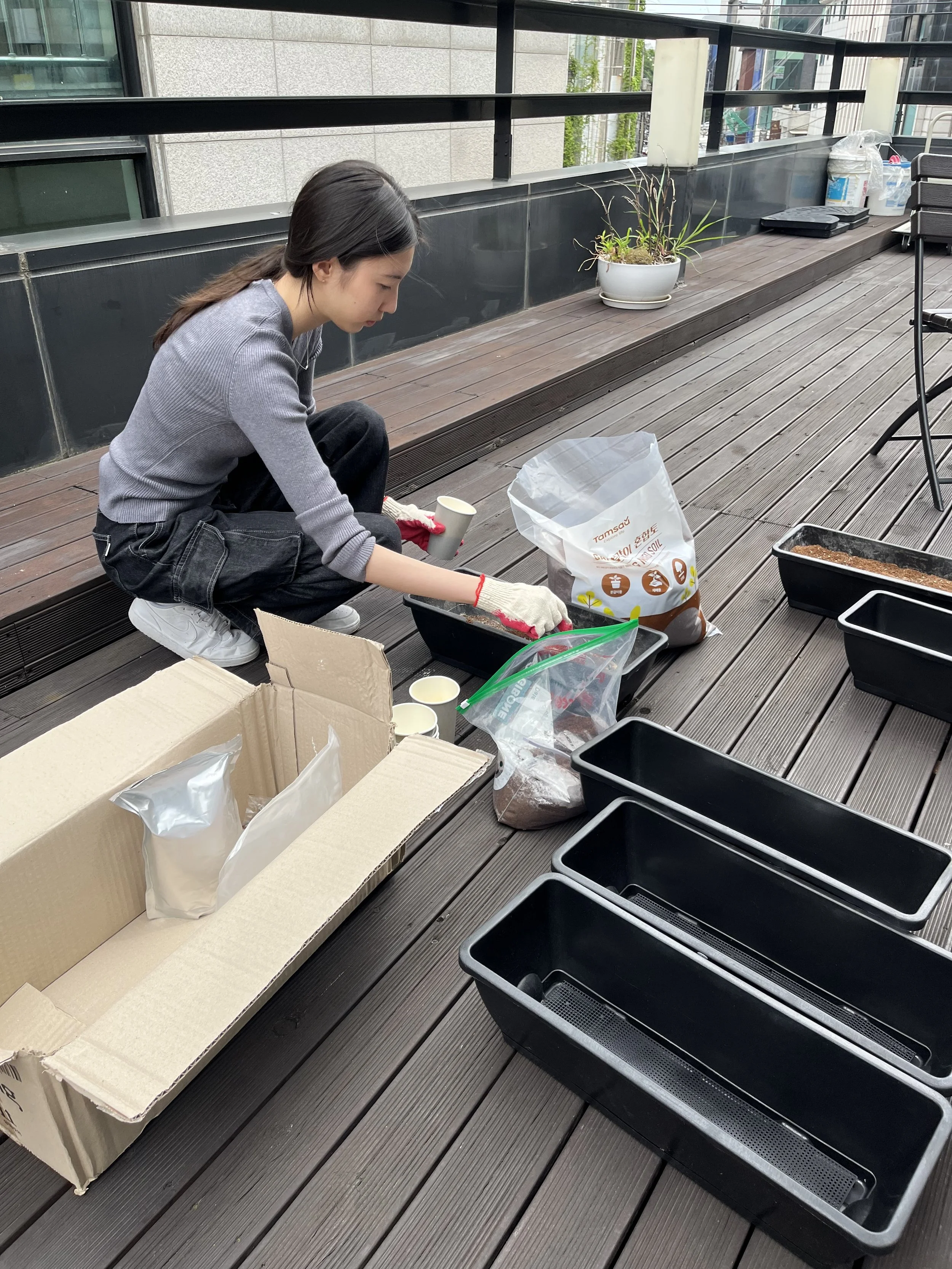
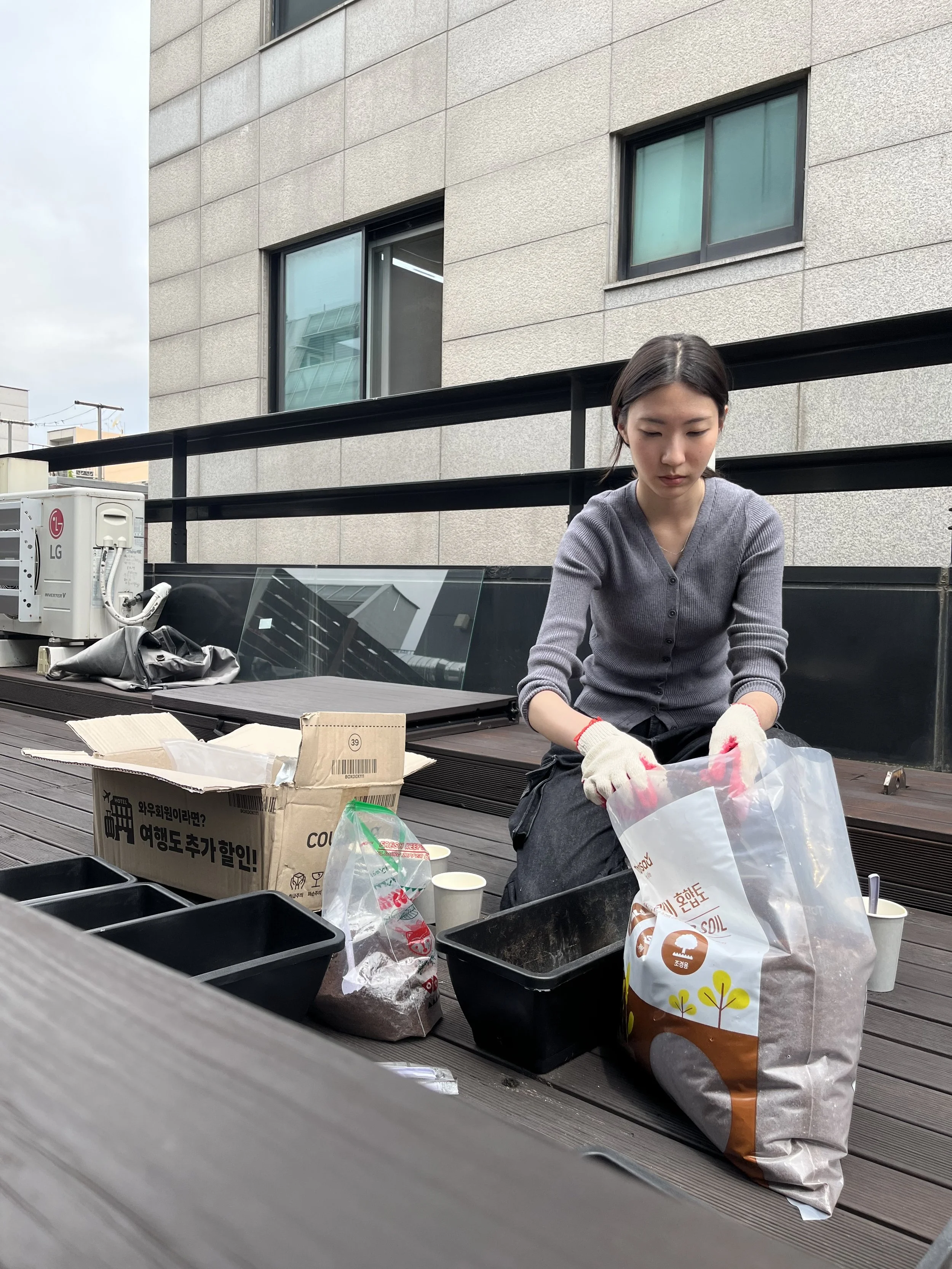
This research, led by Gyeongeun Lee, focuses on mandarin orange peels—a major source of organic waste that is often discarded in massive quantities. Rich in essential nutrients, these citrus peels hold immense potential as a natural soil enhancer. Our study aims to evaluate the viability of mandarin peel eco-fertilizer, transforming agricultural waste into a solution for soil health.
Moving Toward Zero-Waste Agriculture
The findings prove that utilizing food waste as a bio-fertilizer is a highly effective strategy for closing the loop in the food lifecycle.
By replacing chemical inputs with organic innovations, Spread:Seed takes a meaningful step toward reducing carbon footprints, preventing soil degradation, and empowering local communities with sustainable farming practices.